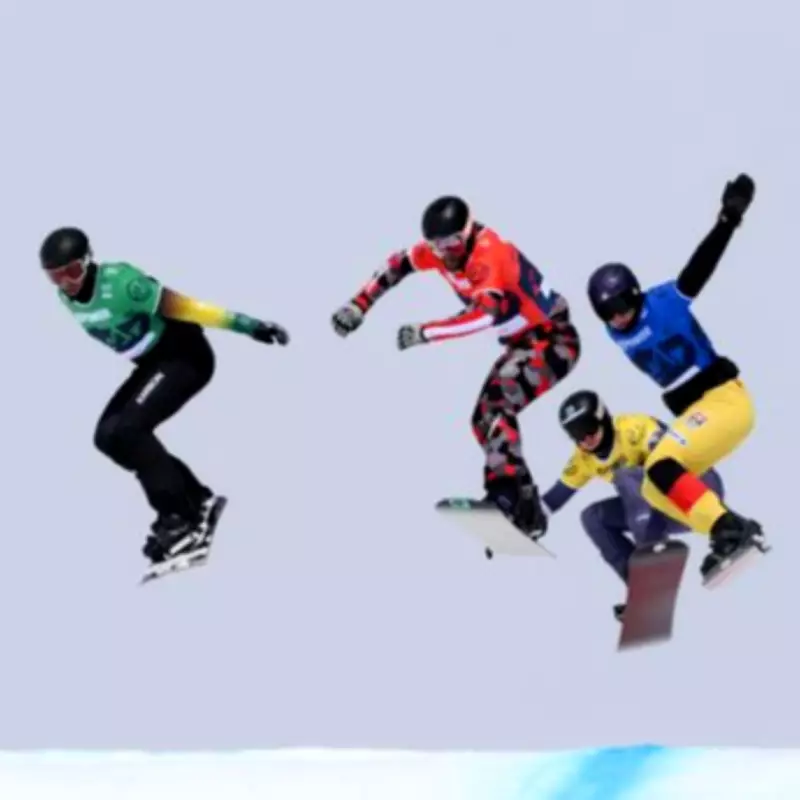
Australian snowboarder Cam Bolton has been airlifted to hospital after sustaining a broken neck in a terrifying training crash at the Winter Olympics in Italy. The 35-year-old athlete, competing at his fourth Games, suffered the severe injury while preparing for the men's snowboard cross event in Livigno earlier this week.
Training Session Turns Tragic
Bolton experienced a heavy fall during his training session but initially walked away from the incident and appeared ready to compete in Thursday night's event. However, his neck pain intensified after receiving medical attention, prompting further examination. A subsequent CT scan revealed the snowboarder had sustained two fractures in his neck, completely ending his Olympic aspirations.
Emergency Medical Response
The Australian team immediately arranged for Bolton to be flown by helicopter from their mountain base to a specialized hospital in Milan for urgent treatment. Despite the severity of his injuries, team officials reported that Bolton remained in good spirits following the accident, with his wife joining him at the hospital for support.

Australia's team chef de mission, Alisa Camplin, provided an update to concerned fans, stating: "Cam wanted to make his team-mates understood what was happening and that he was fine and doing well and being looked after well. He knows how seriously we're taking the process of support around him and the communication has been really good. I'm proud of the level of care."
Olympic Dreams Dashed
The timing of the injury proved particularly devastating for Bolton, who arrived at the Winter Olympics fresh from winning a silver medal in the mixed snowboard team cross event at last year's World Championships in Switzerland. His absence from competition represents a significant blow to Australia's snowboarding contingent.
Team Adjustments and Additional Injuries
With Bolton sidelined, Australia has drafted in 21-year-old James Johnston to replace him in the men's snowboard cross team ahead of Thursday's qualifying rounds, marking Johnston's Olympic debut. The Australian team faces additional challenges as halfpipe star Misaki Vaughan has also been prevented from competing after sustaining a head injury during training.
The 20-year-old Vaughan displayed signs of concussion after hitting her head and failed the necessary medical tests, resulting in a seven-day snowboarding ban that rules her out of competition. Her event began on Wednesday morning, adding to Australia's injury woes at the Games.
Growing List of Olympic Injuries
Bolton joins a concerning list of athletes requiring emergency airlifts during these Winter Olympics. Just days earlier, skiing icon Lindsey Vonn was airlifted from the slopes after a terrifying crash just 13 seconds into her run during the women's downhill skiing final on Sunday.
Vonn, who had already torn her ACL in a crash at the World Cup in Switzerland, was determined to compete in her fifth and final Games but suffered a dramatic fall after hitting a slalom gate mid-air. Following her emergency hospital transfer, medical staff confirmed the American athlete had sustained a "complex tibia fracture" requiring "multiple surgeries."
Athlete Resilience
Despite the devastating nature of her injury, Vonn expressed "no regrets" in a heartfelt statement posted on Instagram. She wrote: "Yesterday my Olympic dream did not finish the way I dreamt it would. It wasn't a story book ending or a fairy tale, it was just life. Unfortunately, I sustained a complex tibia fracture that is currently stable but will require multiple surgeries to fix properly. While yesterday did not end the way I had hoped, and despite the intense physical pain it caused, I have no regrets."
The Milano Cortina 2026 Winter Olympic Games continue through February 22, with athletes pushing their limits in challenging conditions that sometimes result in serious injuries requiring immediate medical intervention and hospital transfers.