

Jim Ratcliffe's Immigration Comments Expose Football's Ownership Crisis
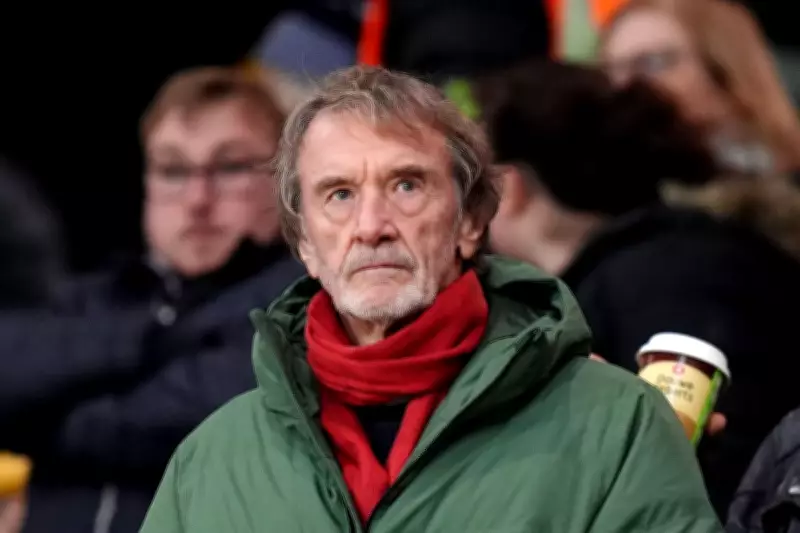
Sir Jim Ratcliffe's clumsily ill-advised remarks on immigration have been widely condemned as fundamentally anti-football, reigniting the urgent debate over whether clubs should be owned by supporters rather than private or state interests. The billionaire co-owner of Manchester United made comments described as "disgusting" by Chancellor Rachel Reeves, highlighting a stark disconnect between club ownership and the inclusive values football represents.
The Cracker Analogy and Football's Inclusive History
Given Ratcliffe's frequent references to his northern heritage, he might recall the acclaimed Jimmy McGovern television drama 'Cracker'. In its famous 'To Be A Somebody' storyline exploring the social aftermath of Hillsborough, a pivotal scene shows a police raid on a white nationalist group in Manchester. Detective David Billborough, played by Christopher Eccleston, spots a 1993-94 Manchester United squad photo on the wall and confronts a skinhead, pointing out the diverse origins of players: "Ince is black, Parker is black, Dublin is black, Schmeichel's a Dane, Kanchelskis is a bloody Ukrainian and Cantona is French."
While this comparison doesn't equate Ratcliffe's views with white nationalism, it underscores how his comments suggest he needs a similar education about the club he co-owns. Many United supporters have already responded with banners and memes celebrating immigrants while criticizing billionaires, including one featuring club legends Roy Keane and Eric Cantona striding above images of Ratcliffe and the Glazers.

Football's Power to Break Down Barriers
Ratcliffe's sentiments represent the complete antithesis of what football truly embodies: happiness, inclusivity, and bringing people together. This simplistic view remains an easily demonstrable truth. Football possesses unparalleled power to break down social barriers, with no other sector matching its capacity to foster understanding and integration across diverse populations.
Countless examples illustrate this reality. Manchester United's own history includes migrant Billy Whelan, who died in the Munich air disaster commemorated recently. Across Manchester, City celebrated German Bert Trautmann as a club legend just eleven years after World War II. Currently, approximately 70% of Premier League players and 79% of managers are migrants. Even this column's writer is a migrant, though comments like Ratcliffe's typically don't target the Irish due to the common travel area.
Tangible Positive Effects and Ownership Problems
Football actively works against exclusionary views in direct and persuasive ways. A 2019 Stanford University study demonstrated that Mohamed Salah's performances for Liverpool reduced both Islamophobia and hate crime rates in the city. Many supporters who hold strong views similar to Ratcliffe's simultaneously express adoration for migrant players, creating gradual positive societal effects.
The Ratcliffe controversy highlights football's ownership crisis. Manchester United felt compelled to release a statement reaffirming the club's inclusive ethos while being co-owned by someone whose comments contradict those values. This mirrors issues with the Glazers' capitalist outlook, including discussions about benefiting from Trumpian tax reforms that conflict with the club's railway worker origins.
Football has willingly entered this world without fan consultation. Other billionaire owners might privately sympathize with Ratcliffe's views, while Manchester City and Newcastle United have ownership ties to autocratic states with migrant labour laws described as "modern slavery" based on racial hierarchies. This strengthens arguments that social institutions like football clubs should be supporter-owned rather than controlled by private or state interests.

The Silver Lining in Billionaire Exposure
This dismal situation offers one positive aspect regarding ownership problems. Many billionaires enter football for fame and social capital, enjoying increased profiles unavailable through their other businesses. This often leads to "billionaire idiot syndrome," where financial success in one area creates overconfidence about translating that success elsewhere. When Ratcliffe bid for Chelsea in 2022, those involved perceived he thought it would be easy because he'd run Ineos.
Had Ratcliffe made these comments merely as a petrochemicals owner, they wouldn't have generated comparable headlines. As Manchester United co-owner, they've publicly exposed flawed thinking, forcing the frequently described arrogant businessman into a partial apology. Football possesses this corrective power alongside its capacity for unity.
Ratcliffe would benefit from better understanding the sport he's entered, particularly its inclusive nature. He could start by attempting to comprehend his own club's history and values, recognizing that football's true strength lies in bringing people together despite political misuse and ongoing challenges with racism and exclusionary attitudes within the game.





