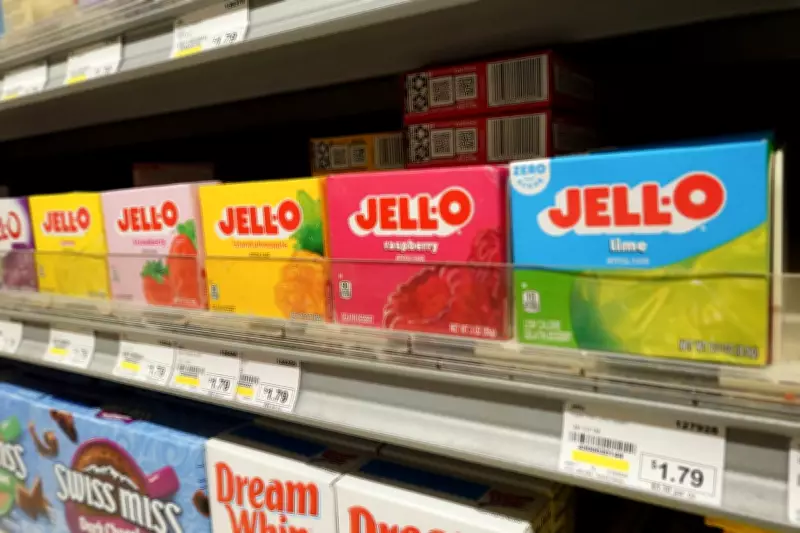
Health and Human Services Secretary Robert F. Kennedy Jr. is leading a campaign to eliminate sugary foods and drinks from hospital menus. In a memo issued on March 30, the HHS urged hospitals to align their food offerings with the Department of Agriculture’s 2025-2030 dietary guidelines, which recommend limiting ultra-processed and high-sugar items. Kennedy has indicated that continued eligibility for crucial Medicaid and Medicare reimbursements could depend on compliance with these new standards. While officials have threatened to withhold federal funding for violations, experts question the enforceability of such measures. A top advisor to Kennedy, Calley Means, has called on the public to report hospitals serving sugary drinks to the Centers for Medicare and Medicaid Services, warning that their reimbursements could be at risk.
Background of the Initiative
The push follows Kennedy’s long-standing advocacy for dietary reform, including controversial claims that a keto diet can 'cure schizophrenia.' The HHS memo specifically targets items like Jell-O, soda, and other sugary treats commonly served in hospital cafeterias and patient meals. Hospitals that fail to comply may face audits and potential loss of federal funding, though the legal basis for such penalties remains unclear.
Expert Reactions
Nutrition and public health experts have expressed mixed reactions. Some praise the effort to reduce sugar consumption in healthcare settings, citing links to chronic diseases. Others caution that the threat to withhold funding could overstep regulatory boundaries and create administrative burdens. The American Hospital Association has not yet issued a formal response.

Implementation Challenges
Critics note that many hospitals rely on contracts with food service providers that may not easily adapt to new guidelines. Additionally, patient preferences and dietary restrictions could complicate enforcement. The HHS has not specified a timeline for compliance or detailed how violations will be assessed.