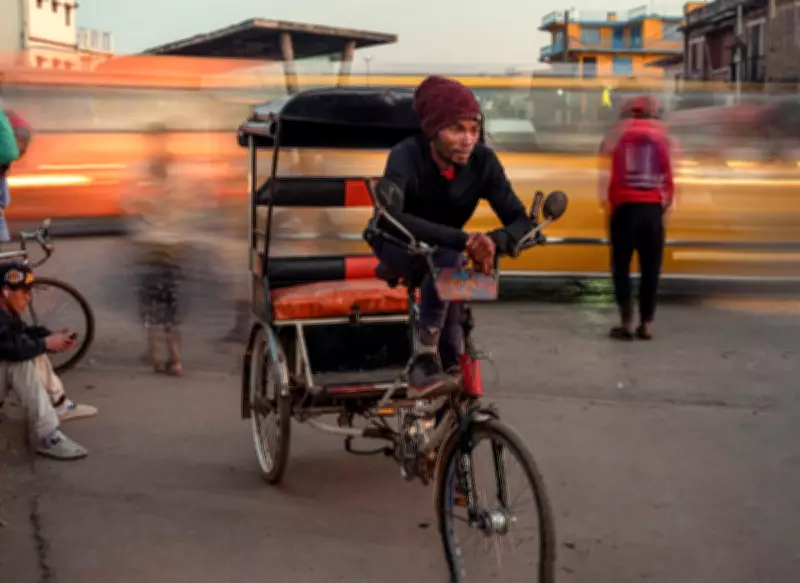
From Rickshaw Rides to Race Victories: Madagascar's Unlikely Athletes
In the bustling city of Antsirabe, Madagascar, a remarkable transformation is underway as cycle rickshaw drivers are emerging as top-tier endurance athletes. Haja Nirina, one such driver, exemplifies this shift, having honed his physical prowess over five years while navigating the competitive transport market. Unlike 99% of his peers, Nirina avoids paying a daily rental fee of 5,000 ariary for his rickshaw, thanks to a microcredit programme run by his local athletic club, allowing him to focus on training and competitions.
The Birth of Crown Athletics Club
Crown Athletics Club traces its origins to Antsirabe's first rickshaw race in 1997, organised by Tsiry Rakotomalala, who offered prizes like rice and chickens. The event's popularity led Rakotomalala to recruit about 10 drivers, founding the city's inaugural athletics club. The club gained significant momentum in 2017 when Yann Mayette, a French expatriate, became president. Mayette, convinced of Madagascar's athletic potential, introduced a microcredit plan enabling drivers to purchase their rickshaws, reducing financial burdens and fostering dedication to sports.
With over 4,000 rickshaws serving a population of 265,000 in Antsirabe, these vehicles are the cheapest transport for people and goods. Nirina makes 10 to 15 trips daily, earning 10,000 to 15,000 ariary (£1.70 to £2.60), with minimal expenses for storage. This financial freedom has propelled him and fellow drivers like Jean-Claude Rakotonirina, known as Diry, into rigorous training regimes, running 20-25km daily while pulling rickshaws by hand.

Training and Triumphs on the Global Stage
The Crown club's athletes train twice weekly, often running along main roads with kilometre markers due to a lack of high-tech equipment. Despite challenges like inadequate shoes and reliance on donations from France, their determination has yielded impressive results. In 2023, Nirina and compatriot Mamie Andrianirina competed in the Mascareignes race, part of Réunion's Grand Raid ultra-trail event. Nirina finished second in 8 hours, 46 minutes, and 7 seconds, just three minutes behind the winner, while Andrianirina placed third.
Mayette recalls the scepticism they faced initially, with many mocking their status as rickshaw drivers. However, their performances have silenced critics, proving they rank among Madagascar's best athletes. Nirina's €350 bonus from the race was offered to the club but refused, highlighting the athletes' humility and community spirit.
Challenges and Future Prospects
Despite their successes, the club faces ongoing hurdles. Equipment remains scarce, with Mayette collecting used running shoes from donors, and sponsorships are elusive. Mayette and his wife currently finance all club expenses, raising concerns about sustainability if they leave Antsirabe. The athletes' potential for professional advancement is hindered by details like nutrition and gear, yet their story resonates as a testament to resilience.
Nirina, who runs 10km daily to his home near paddy fields and adds uphill detours for training, embodies this spirit. He emphasises, "I don't run for the money; anyway, in Madagascar, nobody can make a living from sports. I run because I love it." As these drivers continue to break barriers, their journey from Antsirabe's chaotic streets to international podiums inspires hope for greater recognition and support in the world of endurance sports.