Robotic Canines to Bolster Security at 2026 World Cup in Mexico
Mexican authorities have announced a groundbreaking security initiative for the upcoming 2026 FIFA World Cup, deploying dog-like robots to help protect fans and maintain order during the tournament. This innovative approach comes as Mexico, alongside the United States and Canada, prepares to host an event expected to draw over five million attendees across the three nations.
Introducing the K9-X Division
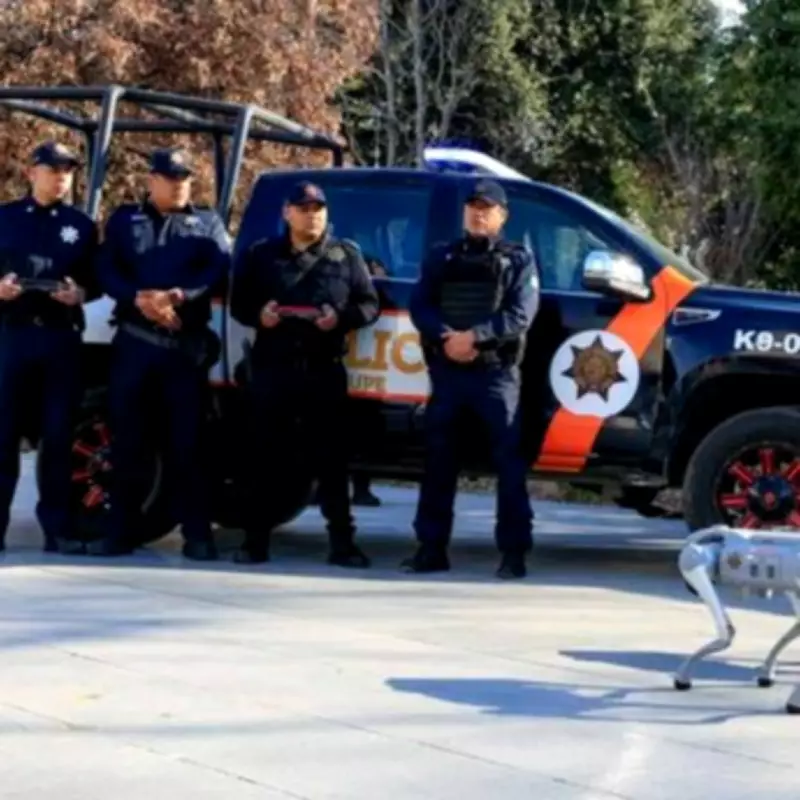
Hector Garcia Garcia, the mayor of Guadalupe in Nuevo Leon, unveiled the new 'K9-X Division' on Monday, consisting of four advanced robotic dogs. These machines are designed with cutting-edge technology to enter hazardous environments and safeguard police officers by transmitting live footage to security teams. This allows for real-time detection of suspicious or threatening behaviour, enhancing situational awareness for law enforcement.
The municipality of Guadalupe, which borders Monterrey, has acquired these robots as part of a broader security strategy. Monterrey is one of Mexico's host cities for the World Cup, with four matches scheduled at the Estadio BBVA, home to the prominent Mexican club Monterrey. The stadium will host games starting on June 14, featuring teams such as Tunisia, Japan, South Korea, and South Africa, along with a round-of-32 fixture.

Capabilities and Investment
A demonstration video released by the local government showcases one of the robotic dogs navigating an abandoned building, climbing stairs, and confronting an armed individual. The robot uses its built-in loudspeaker to order the person to drop their weapon, highlighting its operational capabilities.
Mayor Garcia emphasised that Guadalupe is pioneering this security system, which includes video cameras, night vision lenses, voice command features, and durable materials for rugged terrain. "This is the police force that will help protect the World Cup," he declared, underscoring the robots' role in the comprehensive security plan.
The investment for this initiative totals approximately 2.5 million pesos, equivalent to around £106,000. This funding supports not only the robot dogs but also other components of the security strategy, such as drones, a newly equipped C4 centre with advanced software, and over 100 new patrol vehicles.
Context and Expectations
With the World Cup spanning five and a half weeks, authorities face intense scrutiny to minimise crime and ensure fan safety. The use of robotic dogs represents a significant step in leveraging technology for public security, particularly in high-stakes international events. As FIFA anticipates massive crowds, this move by Mexican police aims to set a new standard in innovative law enforcement during major sporting occasions.