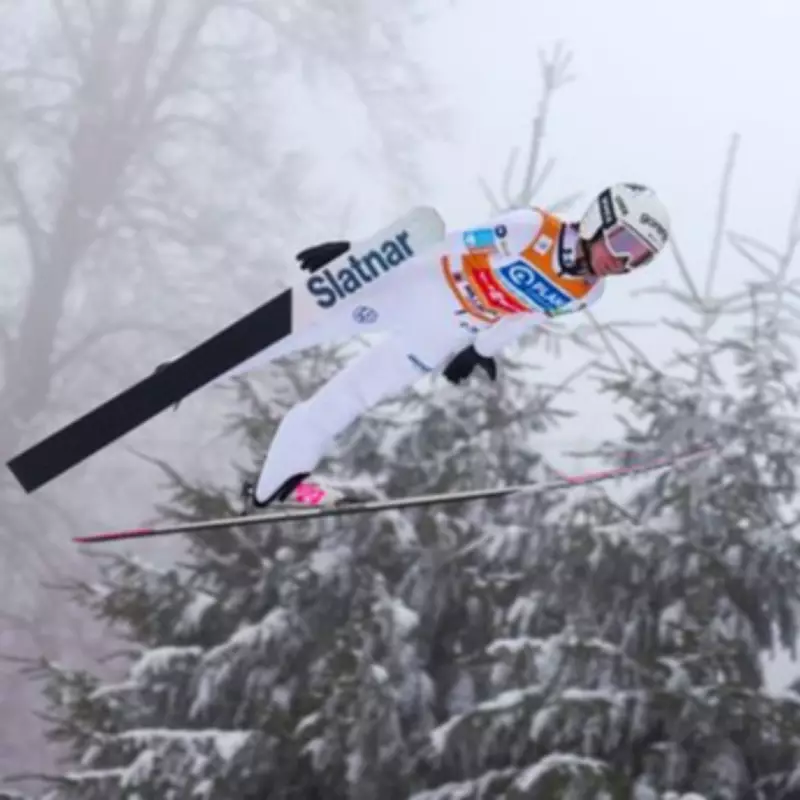
As the 2026 Winter Olympics unfold in Italy, the high-flying spectacle of ski jumping captures global attention. This adrenaline-fueled event, set against the backdrop of Milano Cortina, combines raw speed, precise technique, and artistic flair, making it a highlight for sports enthusiasts worldwide.
The Mechanics of Ski Jumping Explained
Ski jumping is a sport that demands immense courage and skill, where athletes launch themselves off a steep ramp to achieve maximum distance and style. The process begins with the in-run, a curved ramp down which jumpers accelerate to speeds approaching 60 miles per hour. This explosive start is crucial for generating the momentum needed for a successful flight.
Aerodynamics and Flight Technique
Once airborne, competitors must master aerodynamics to extend their jump. They lean forward aggressively and position their skis in a distinctive V-shape, which enhances lift and stability. This posture allows them to glide through the air with minimal resistance, aiming to cover as much ground as possible before landing.

Scoring System: Distance and Style
The scoring in ski jumping is a blend of objective distance measurements and subjective style evaluations. Each hill features a K-point, a target line marking the transition to a flatter slope and the end of the safest landing zone. Jumpers earn 60 points for landing exactly on this mark, with adjustments made for every metre they overshoot or fall short.
Judging Criteria and Style Points
Style is assessed by a panel of five judges, each awarding up to 20 points based on flight stability, body position, and landing technique. To ensure fairness, the highest and lowest scores are discarded, and the remaining three are combined with the distance score. A flawless Telemark landing—where one foot is positioned well ahead of the other with knees bent—is essential for maximising style points, while parallel landings or falls lead to significant deductions.
Environmental Adjustments for Fairness
Weather conditions can dramatically impact performance, so the scoring system includes gate and wind compensation. Points are added if a jumper faces challenging tailwinds or starts from a lower gate, and subtracted if they benefit from favourable headwinds. This adjustment ensures that all athletes compete on a level playing field, regardless of environmental variables.
Eddie the Eagle: The Underdog's Struggle
Michael "Eddie" Edwards, famously known as Eddie the Eagle, became a symbol of perseverance despite his struggles in the 1988 Calgary Games. His journey was fraught with unique challenges that set him apart from his elite counterparts.
Vision Impairments and Equipment Issues
Eddie suffered from severe farsightedness, requiring thick prescription glasses under his goggles. At high altitudes, these glasses frequently fogged up, forcing him to jump virtually blind. This visual handicap significantly hindered his ability to judge distances and maintain optimal form during flight.
Physical and Financial Barriers
Unlike professionally funded athletes, Eddie was self-financed and carried about 20 pounds more weight than the average jumper, reducing his natural lift. He relied on second-hand equipment, often stuffing six pairs of socks into oversized boots to achieve a fit. These financial and physical limitations compounded his difficulties on the slopes.
Limited Training and Experience
Most Olympic ski jumpers dedicate over a decade to training, but Eddie took up the sport just 20 months before the Calgary Games. With minimal professional coaching, he finished last in both events. However, his bravery in tackling the Large Hill against all odds transformed him into a global folk hero, celebrated for his indomitable spirit.
The 2026 Winter Olympics in Italy promise to showcase ski jumping at its finest, blending rigorous rules with human drama. As athletes soar through the air, they follow in the footsteps of legends like Eddie the Eagle, reminding us that triumph often lies in the effort as much as the outcome.