

Ski Jumping's Unusual Scandal: The Controversy Over Jumpsuit Modifications
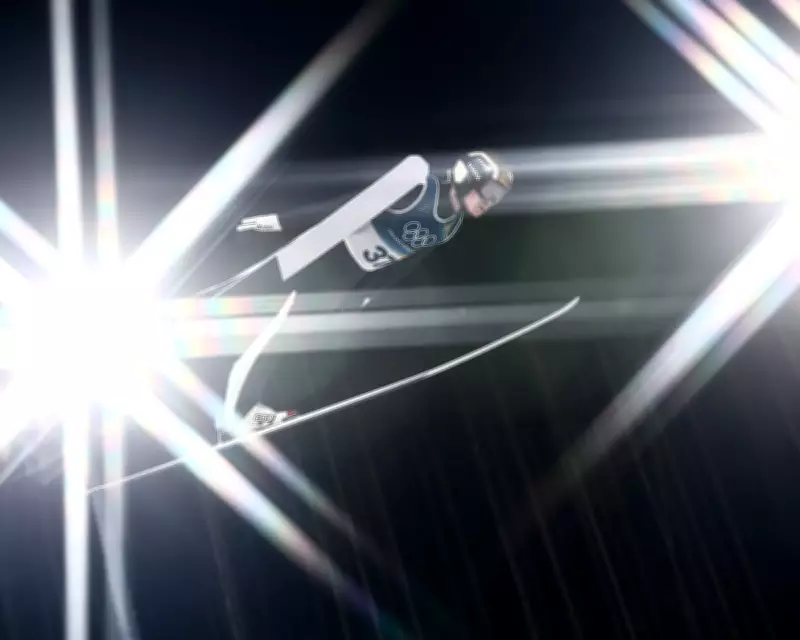
Marius Lindvik, the Norwegian ski jumper who was suspended for competing in a jumpsuit with a modified crotch, soars through the air in Predazzo. This image captures the sport's grace, but behind it lies a national scandal that has rocked Norway and raised questions about the extreme measures athletes take for Olympic success.
The Anatomy of an Advantage
Yes, it's time to discuss ski jumpers' anatomy, though competitors would prefer the conversation focus on their metaphorical "balls"—a term former Olympic champion Sven Hannawald famously used to describe the sport's mental demands. However, physical endowment has become unexpectedly relevant. When a jumper spreads their legs during flight, the crotch of their suit stretches into a wing-like shape. A larger wing translates to greater lift and distance.
Computer analysis indicates that for every extra centimetre of fabric in this area, jumpers gain approximately 2.8 metres in distance. Consequently, regulations strictly limit suits to being only four centimetres larger than the wearer's body surface area. This rule has led to creative attempts to temporarily enhance measurements during official checks, including rumours of hyaluronic acid injections—though the sport's federation dismisses these as "wild rumours."

The Norwegian Suspensions
The speculation gained traction after two Norwegian athletes, Marius Lindvik and Johan Andre Forfang, received three-month bans. Their coaches were caught sewing extra material into jumpsuits at a World Cup event last year. An online video exposed furtive sewing machine use, leading to confessions after initial denials.
The coaches and a team tailor faced eighteen-month bans, while the athletes claimed ignorance and served shorter suspensions. They returned for the Olympic Normal Hill competition, but the incident remains a sore point in Norway, a nation proud of its Winter Olympics dominance and particularly successful in ski jumping.
A National Embarrassment
Norwegian fans at the Predazzo event expressed discomfort with the scandal becoming a punchline. "I don't want to talk about it," one fan stated, while another remarked, "It's all behind us now." A third added, "It's sad, very, very sad." Their reactions highlight the sport's beloved status in Norway and the disappointment over the controversy.
Despite the federation's insistence that the matter is resolved, former stars have spoken out. Olympic medallists Johan Remen Evensen, Anders Jacobsen, and Daniel-André Tande admitted to widespread cheating during their careers, describing tactics like wearing low-slung suits or adjusting underwear to stretch fabric. Former world champion Andreas Küttel of Switzerland confessed to spraying suits with hairspray to reduce air permeability.
A History of Rule-Bending
Ski jumping's tiny margins and high stakes drive constant attempts to exploit rules. Past scandals involved suit and binding modifications in the early 2000s and extreme weight loss in the late 2000s, which led to eating disorders among jumpers. Despite body mass index regulations, the issue persists as federations struggle to close loopholes that athletes continually seek.
As the Predazzo competition demonstrated with its lively atmosphere of cheering fans, beer, and cowbells, ski jumping remains a captivating sport. Yet, the underlying tension between innovation and integrity suggests this scandal may not be the last. It will likely be remembered as a brief—or "briefs"—moment in the sport's ongoing evolution, with new controversies inevitably arising as athletes push boundaries in pursuit of glory.






