From Marching Bands to Global Spectacle: The Evolution of the Super Bowl Halftime Show
The Super Bowl halftime show has undergone a remarkable transformation over the decades, evolving from simple marching band displays into one of entertainment's most anticipated global events. What began as intermission filler has become a cultural phenomenon that now rivals the championship game itself for viewer attention.
The Early Days: Pageantry and Patriotism
For decades following the inaugural Super Bowl in 1967, halftime shows reflected the NFL's family-friendly image through marching bands, drill teams, and patriotic displays. The first halftime show featured marching bands from the University of Arizona and Grambling State University, along with hundreds of flying pigeons, thousands of balloons, and two men wearing jetpacks.
"Not a lot of people really watched it," recalled Dan Marino, Hall of Fame quarterback and NFL analyst. "But now, people love to watch the halftime show."

Throughout the 1970s and 1980s, the NFL continued with similar programming, including appearances by Chubby Checker and Up with People, an organization promoting positive thinking through dance and song performances. However, none of these acts were considered major draws for the growing television audience.
The Turning Point: Michael Jackson's 1993 Performance
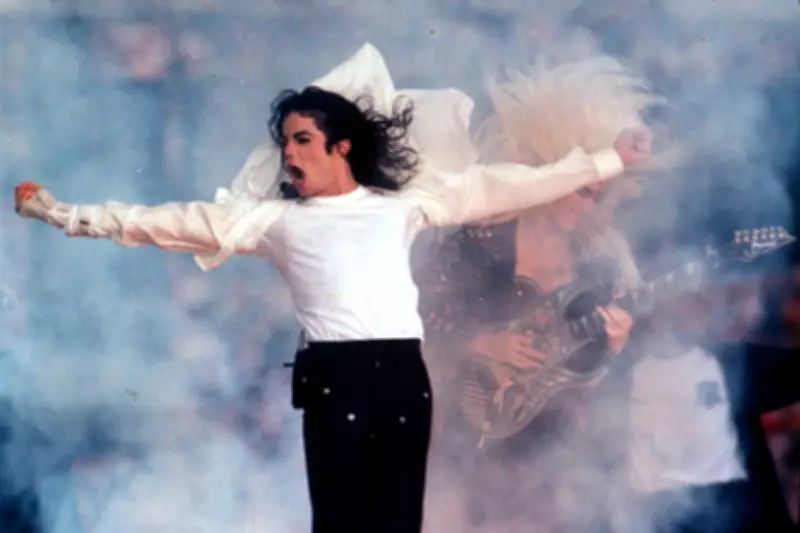
The true breakthrough came in 1993 when Michael Jackson headlined the halftime show at the Rose Bowl in Southern California. The King of Pop's electrifying performance, featuring his iconic moonwalk and hits including "Billie Jean," "Black or White," and "Heal the World," demonstrated the halftime show's potential as a major entertainment spectacle.
Jackson's stellar performance opened the door for other global stars, establishing the halftime show as a coveted platform for major artists. The NFL began rethinking the power of those 12 to 15 minutes, gradually transforming the break into a cultural platform capable of launching careers and shaping national conversations.
Modern Era: Cultural Moments and Record Viewership
Today's halftime shows feature cinematic productions and era-defining performances that create moments rippling far beyond the stadium. From Prince performing in the rain to Rihanna's record-setting return, Usher's tightly choreographed showcase, and Kendrick Lamar's layered storytelling, the halftime show has become a cultural touchstone.
Lamar's 2025 performance became the most-watched halftime show on record, drawing roughly 133.5 million viewers—surpassing Usher's 2024 performance and even exceeding viewership of the championship game itself. The performance stayed within league parameters while exploring themes of identity, power, and perception through choreography, costuming, and staging.
"I think the live element is pretty exciting for people because it's a massive production and there's so many moving pieces," said actor Scarlett Johansson, who cited the unpredictability of performances like Justin Timberlake and Janet Jackson's infamous "wardrobe malfunction" and Lady Gaga dropping from a stadium roof.
Cultural Significance and Representation
The halftime show has increasingly become a platform for cultural representation and social commentary. Notable examples include U2's remembrance of 9/11 victims, Beyoncé's unapologetic Blackness and political activism through her Black power anthem "Formation," and the 2022 show featuring hip-hop artists led by Dr. Dre and Snoop Dogg.
Snoop Dogg praised NFL commissioner Roger Goodell and Jay-Z for pushing the halftime show forward, noting the league's collaboration with Roc Nation to support its Inspire Change initiative. "This is music. The music that dictates the world is what's performing at halftime now," Snoop said. "They're starting to understand that it's about what those players want to hear, what those fans want to hear, and what's universally effective."
The 2026 Show: Bad Bunny and Latin Culture
The evolution continues this year as Bad Bunny prepares to take the halftime stage, placing Latin culture and Spanish-language music at the center of America's most-watched television event. This selection reflects the ongoing expansion of the halftime show's cultural reach and its ability to spotlight diverse musical traditions.

While performers don't receive payment for their appearances, the exposure to hundreds of millions of viewers worldwide is considered priceless. The NFL handles all production costs and expenses, creating increasingly sophisticated spectacles that capture global attention.
"The production level and how quickly they put it together as they're breaking into commercial and come back with this fabulous, epic show," said Kris Jenner, matriarch of "The Kardashians" reality television show. "Through all the years and technology, it gets better and better. It's so exciting to watch and see what they come up with next."
From its humble beginnings as intermission entertainment to its current status as a global cultural event, the Super Bowl halftime show has completed a remarkable journey that mirrors the growth of both the NFL and popular culture itself.