Super Bowl LX: A Quest for Normalcy Amid Political Tensions
The latest Super Bowl, held on Sunday in Santa Clara, was widely interpreted as an effort by the NFL to "even up the ledger" and reintegrate the sport's non-Maga contingent back into the fold. This year's event, following Donald Trump's dominating presence in previous years, promised a correction—a cooling of political fervor and a potential end to the manipulation of sports for ideological ends. However, while the atmosphere was notably more restrained, the underlying theater and violence of capitalism remained unmistakably present.
A Subdued Atmosphere and Political Absences
Unlike last year, Donald Trump was conspicuously absent from the proceedings, avoiding the deep blue Bay Area amid historically low approval ratings and midterm election concerns. His influence, however, lingered like a specter, turning every gesture and moment into a referendum on a post-Trumpian sporting future. The absence extended to military displays, with F-22 fighter jets withdrawn due to "operational assignments," sparking speculation about covert activities. On the field, the game itself—featuring the Seahawks and Patriots—was a defensive slog, described by some as having the charm of a medieval torture procedure, perhaps a form of progress in its sheer boredom.
Cultural Signals and Half-Time Ambiguity
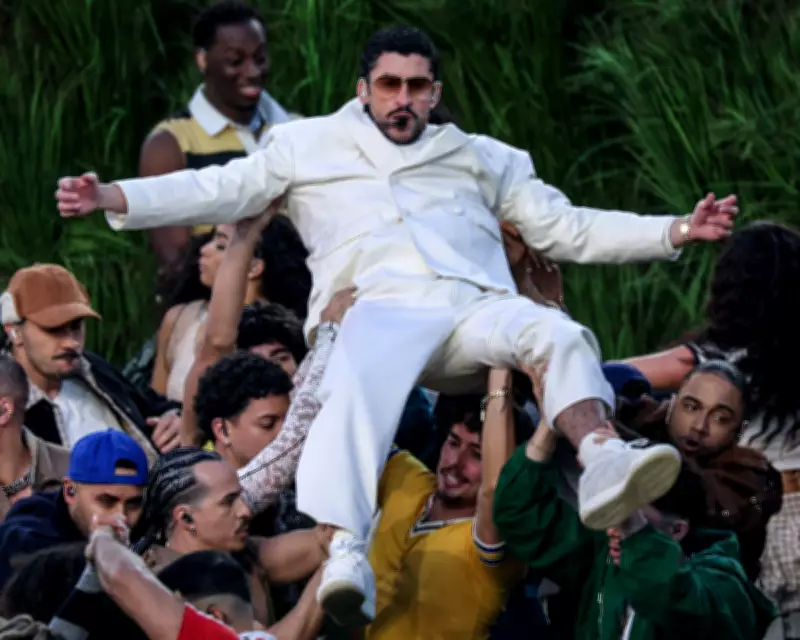
The pre-game tone was set by legends like Joe Montana and Peyton Manning, who threw peace signs alongside a violin honor guard, emphasizing restraint. The national anthem, sung by YouTuber Charlie Puth in a whisper rather than bombast, and a low-key 250th-anniversary ceremony for the Declaration of Independence suggested a jingoism "on Ozempic." The half-time show, headlined by Bad Bunny, was seen as ragebait for Red America but stopped short of any progressive protests, focusing instead on inclusivity without activism. Post-game, even victorious quarterback Sam Darnold emphasized learning and improvement, framing the event as a corporate retreat.

Broadcasting and Commercial Realities
NBC's commentators, Mike Tirico and Chris Collinsworth, matched the soporific mood, with Collinsworth noting the obvious defensive nature of the game and Tirico juggling Super Bowl duties with Winter Olympics coverage. Their white-collar commentary mirrored the event's turgid pace. Meanwhile, commercials highlighted capitalism's relentless march, featuring categories like AI, gambling, food delivery, and insurance—a taxonomy of modern culture's slop, speculation, and indemnification against disasters.
Conclusion: Progress or Illusion?
While this Super Bowl succeeded in dialing back overt political drama and welcoming a broader fanbase, it ultimately served as a powerful advertisement for capitalism's status quo. The lack of on-field excitement and progressive statements left questions unanswered: Was this a genuine return to normalcy, or merely a temporary reprieve in America's culture wars? The event balanced inclusivity with commercialism, but the underlying tensions of a divided nation remain unresolved.