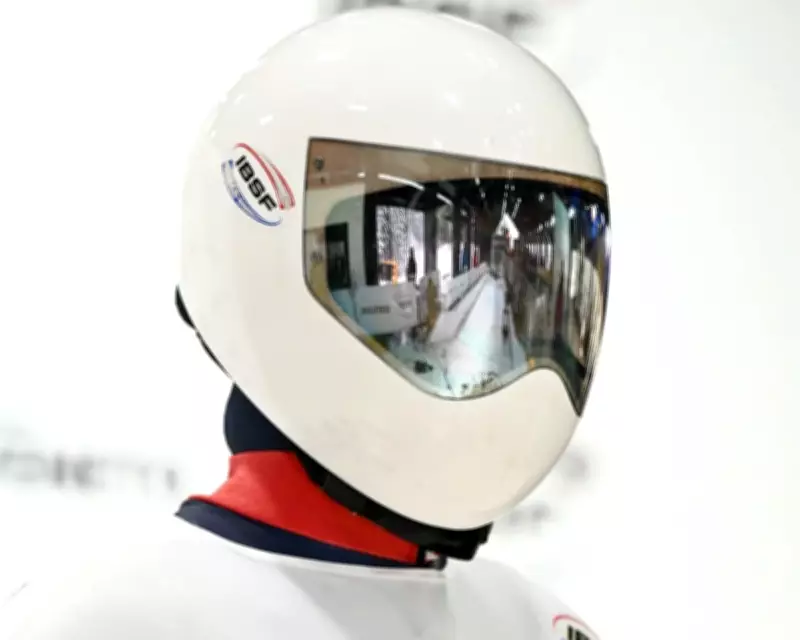
Team GB's Skeleton Olympic Bid Hit by Helmet Ban After CAS Ruling
The British skeleton team's preparations for the Winter Olympics have been dealt a significant blow following a decisive ruling from the Court of Arbitration for Sport. The court has officially banned the team from using their newly designed aerodynamic helmets during competition, declaring them illegal under current regulations.
Protruding Rear Design Deemed Non-Compliant
In its detailed ruling, CAS determined that the innovative helmet design "departs from the standard shape and reflects a novel design specifically developed to enhance aerodynamic performance where the rear considerably protrudes." This assessment directly contradicts the British Bobsleigh and Skeleton Association's position that the helmet was fully compliant with existing rules.
The BBSA had argued strenuously in their appeal that the helmet contained no attached elements and featured no aerodynamic modifications that would violate competition standards. They emphasized that the design was manufactured as a single, integrated unit without additional components.

Major Setback for Dominant British Sliders
This ruling represents a particularly disappointing development for British skeleton stars Matt Weston and Marcus Wyatt, who have dominated the World Cup circuit throughout the current season. Between them, the two athletes have claimed victory in all seven World Cup races, establishing themselves as strong medal contenders for the upcoming Olympic Games.
While those impressive victories were achieved using different helmet designs, both athletes had hoped to gain additional competitive advantage through the newly developed aerodynamic model. The banned helmet had been introduced during training sessions in St Moritz just last week, with the team anticipating its use in Olympic competition.
Governing Body's Position Upheld
The International Bobsleigh and Skeleton Federation maintained throughout the dispute that the British association's innovative design provided aerodynamic advantages that contravened established rules. Following a formal hearing process, CAS has now sided definitively with the international governing body, determining that the helmet does not comply with IBSF regulations as they stand for the current competitive season.
Team Leadership Expresses Disappointment but Maintains Confidence
Natalie Dunman, the BBSA's executive performance director, acknowledged the team's disappointment with the ruling while emphasizing their continued competitive strength. "Based on the strength of the case we put forward, naturally we are disappointed in today's decision," Dunman stated. "However, this does not affect our final preparations and nor has the discourse affected the athletes' focus or optimism going into the Games."
Dunman further highlighted the team's proven track record, noting that "our athletes have been winning medals all season and throughout the Olympic cycle in their current helmets and we remain in a strong position to continue that trend." The association has indicated it will make no additional comments until after the conclusion of skeleton competition at the Games.
Substantial Investment in British Skeleton Program
The ruling comes amid significant national investment in British skeleton athletics. UK Sport has allocated £5,765,123 of National Lottery funding to skeleton sliders over the past four-year Olympic cycle, with that investment yielding remarkable competitive returns.
Matt Weston has emerged as the sport's dominant force, capturing his second world championship title last year with a commanding 1.9-second victory over teammate Marcus Wyatt. During the current season, Weston has secured five World Cup victories while Wyatt has claimed two, demonstrating the program's depth and competitive excellence.
Despite this equipment setback, British skeleton athletes remain among the favorites for Olympic medals, though they will now need to achieve those results using previously approved helmet designs rather than the innovative model they had hoped would provide additional competitive advantage.