Team GB's Skeleton Dominance: The Secret Tech and Espionage Behind Winter Olympic Success
In the razor-thin margins of winter sports, where hundredths of a second separate champions from also-rans, technological supremacy and covert strategies have propelled Team GB to unprecedented heights in skeleton. Without a dedicated sliding track on home soil, Britain has ingeniously leveraged innovation, espionage, and the philosophy of marginal gains to become the most successful nation in the sport's history.
The Cold War on Ice: Espionage and Technological Arms Race
Dr Kate Baker, UK Sport's director of performance, reveals that the pursuit of advantage in skeleton and bobsleigh has evolved into a modern-day Cold War. "Espionage between nations is very real," Baker states, highlighting how rival teams scrutinise each other's techniques and equipment. While she dismisses tales of spies hiding in bushes, the competitive intelligence gathering is intense, driven by the immense national prestige tied to Olympic success.
Team GB's approach includes a secret wind tunnel facility in Manchester, mirroring British Cycling's famed aerodynamic testing. This allows for meticulous optimisation of sleds and athlete positioning, a critical edge in a sport where aerodynamics dictates outcomes. The investment in cutting-edge equipment and expert coaching—such as hiring Latvian legend Martins Dukurs—has revolutionised the programme despite initial funding cuts.

Marginal Gains: Training Innovation Without a Home Track
British skeleton athletes spend a mere two hours annually on actual ice tracks, relying instead on innovative training methods. The push track at the University of Bath simulates sprint starts, while gym sessions build explosive power. Amy Williams, the 2010 gold medallist, emphasises this focus: "We do so much hard training in the summer months for that pure speed, power, explosiveness off the block." This combination of world-class pushers, superior equipment, and limited but strategic ice time creates a formidable advantage.
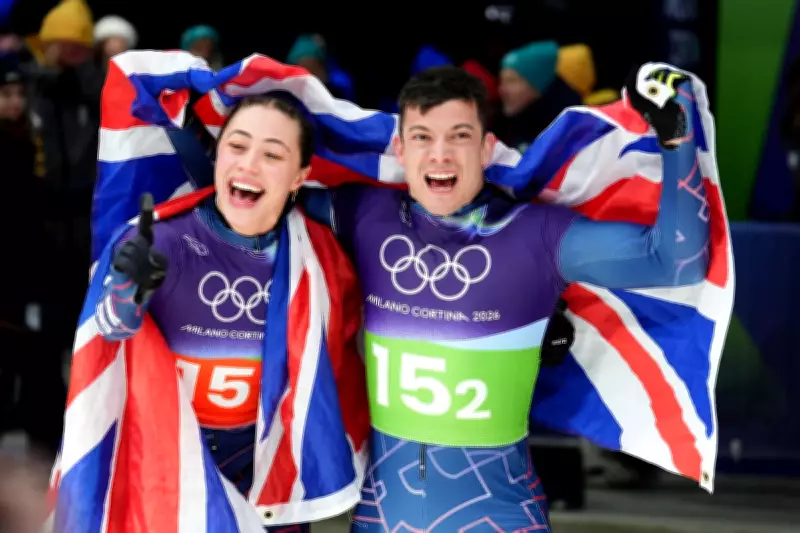
The team's adaptability shone in the new mixed team event at Milano-Cortina, which features a Formula One-style countdown start. GB identified this as an opportunity early, developing specialised systems to master the unique skill set required, leading to gold for Matt Weston and Tabitha Stoecker.
Historic Achievements and Future Prospects
Matt Weston's dual gold medals—making him Britain's first men's skeleton Olympic champion and first Briton to win two medals at a Winter Olympics—epitomise Team GB's dominance. The squad's depth is further evidenced by three female athletes qualifying for the first time, all finishing in the top ten. With 11 total medals, including five golds, Britain's skeleton legacy is unparalleled.
Funding challenges, including a reduction to £4.7 million before an increase to £5.8 million, have not stifled innovation. Instead, they've fostered a "safe to fail" mentality, encouraging rapid experimentation and iteration. Baker notes, "Our ability to spot things and opportunities and get on quickly is a super strength of Great Britain."
Espionage in Plain Sight: The Reality of Competition
While Baker downplays extreme espionage like drones or hidden cameras, she acknowledges the pervasive scrutiny at events. Sleds lined up for inspection allow rivals to examine each other's technology openly, leading to past disputes, such as objections to GB's aerodynamic suits in 2018. "There's stuff you can't see with the naked eye," Baker admits, sparking speculation and guesswork among competitors.
The camaraderie within Team GB, exemplified by Weston and teammate Marcus Wyatt dominating the World Cup circuit, fuels this success. Williams reflects on the ripple effect: "Winning my gold medal in Vancouver proved to the next generation... it's not impossible." This culture of achievement and continuous improvement suggests Britain's edge will only grow, potentially inviting even more sophisticated espionage tactics in the future.