

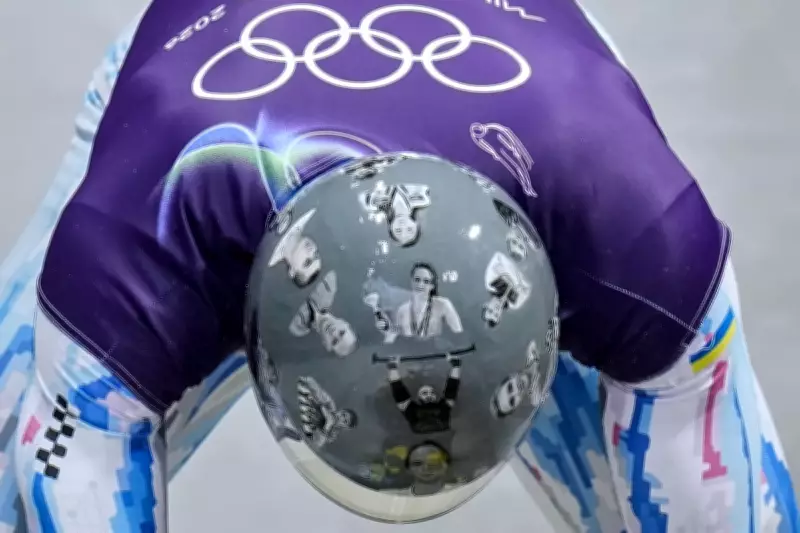
Ukrainian Skeleton Athlete Disqualified Over War Tribute Helmet at Winter Olympics
In a dramatic turn of events at the Winter Olympics, Ukrainian skeleton racer Vladyslav Heraskevych was disqualified just one hour before his scheduled event on Thursday. The International Olympic Committee (IOC) enforced the ban due to Heraskevych's helmet, which prominently displayed images of individuals killed in the ongoing war with Russia. The IOC ruled that this contravened strict regulations prohibiting political or personal statements on the field of play, sparking immediate controversy and condemnation from the athlete.
Heraskevych's Meeting with IOC President Fails to Resolve Dispute
Following the disqualification, Heraskevych engaged in a tense meeting with IOC President Kirsty Coventry in an attempt to overturn the decision. However, no agreement was reached, leaving the athlete frustrated and vocal in his criticism. Heraskevych asserted that the ban represents a "terrible mistake" by the IOC, arguing that it inadvertently supports Russian propaganda by silencing expressions of solidarity with war victims. He emphasized that his helmet was intended as a tribute to those affected by the conflict, not as a political statement, but the IOC maintained its stance based on existing rules.
IOC Defends Decision as Non-Political, Citing Athlete Commission Guidelines
In response to the backlash, IOC President Kirsty Coventry clarified that the decision was not politically motivated. She explained that the IOC's Athletes' Commission had advocated for a blanket prohibition on all forms of messaging during competitions to ensure a neutral and focused sporting environment. Coventry noted that while athletes are free to express their views in other settings, such as press conferences or social media, the field of play must remain free from any external statements. This policy, she argued, is designed to uphold the integrity of the Olympic Games and prevent distractions from athletic performance.

The incident has ignited a broader debate about the balance between athletic expression and Olympic regulations, with many observers questioning whether the rules adequately account for humanitarian gestures in times of conflict. Heraskevych's disqualification underscores the challenges faced by athletes from nations embroiled in war, as they navigate the complex intersection of sport, politics, and personal conviction on the global stage.






