Ukrainian Olympian's Helmet Memorialises Athletes Killed in War at Winter Games
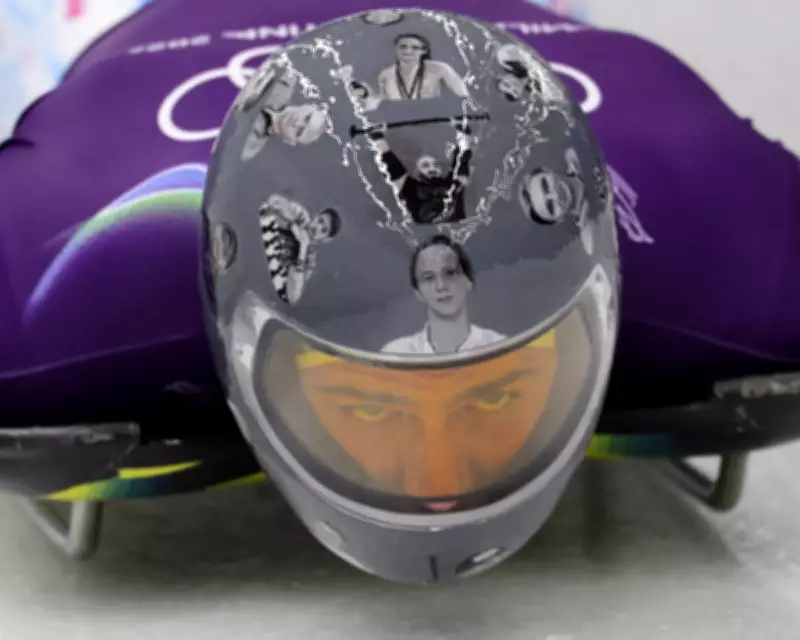
Ukrainian skeleton athlete Vladyslav Heraskevych trained on Monday at the Winter Olympics in a helmet adorned with images of compatriots killed during the ongoing war in Ukraine, fulfilling a pledge to use the international sporting event to maintain focus on the conflict. The 26-year-old flag bearer for Ukraine participated in his session at the Cortina sliding centre with the poignant tribute visibly displayed on his equipment.
Personal Tribute to Fallen Friends and Athletes
"Some of them were my friends," Heraskevych stated emotionally after his training run. The helmet features photographs of several Ukrainian athletes and cultural figures who have lost their lives, including teenage weightlifter Alina Perehudova, boxer Pavlo Ischenko, ice hockey player Oleksiy Loginov, actor and athlete Ivan Kononenko, diving athlete and coach Mykyta Kozubenko, shooter Oleksiy Habarov, and dancer Daria Kurdel. This act serves as a stark reminder of the human cost of the war, bringing the reality of the conflict onto the global stage of the Olympic Games.
International Olympic Committee Response and Rule 50.2
Heraskevych revealed that the International Olympic Committee (IOC) has contacted Ukraine's Olympic committee regarding his helmet. "It's still being processed," he commented, indicating ongoing discussions about the demonstration. This follows his previous protest at the Beijing Olympics, where he held up a "No War in Ukraine" sign just days before Russia's full-scale invasion in 2022. Heraskevych had expressed intentions to respect Olympic regulations while ensuring Ukraine's plight remains visible during the Games.

Rule 50.2 of the Olympic Charter explicitly prohibits political demonstrations, stating: "No kind of demonstration or political, religious or racial propaganda is permitted in any Olympic sites, venues or other areas." Neither the IOC nor the Ukrainian committee provided immediate comments on Heraskevych's specific case, highlighting the delicate balance between athletic expression and Olympic protocol.
Context of Russian and Belarusian Athlete Bans
The backdrop to this protest includes the IOC's stance on athletes from Russia and Belarus. Following the 2022 invasion, athletes from these countries were largely barred from international sports competitions. However, the IOC has since supported their gradual return under strict, neutral conditions, a policy that continues to generate debate within the global sporting community. Heraskevych's helmet tribute underscores the ongoing tensions and the personal impacts of geopolitical conflicts on athletes.
This incident echoes other Olympic protests, such as when Winter Olympian Gus Kenworthy reported receiving death threats over an anti-ICE protest, illustrating the risks and controversies surrounding political statements at major sporting events. Heraskevych's actions aim to keep the war in Ukraine at the forefront of international consciousness, leveraging the Olympic platform to advocate for peace and remembrance amidst competition.