Winter Olympic Mascot Plush Toys Sell Out, Sparking Fan Frenzy in Milan and Cortina
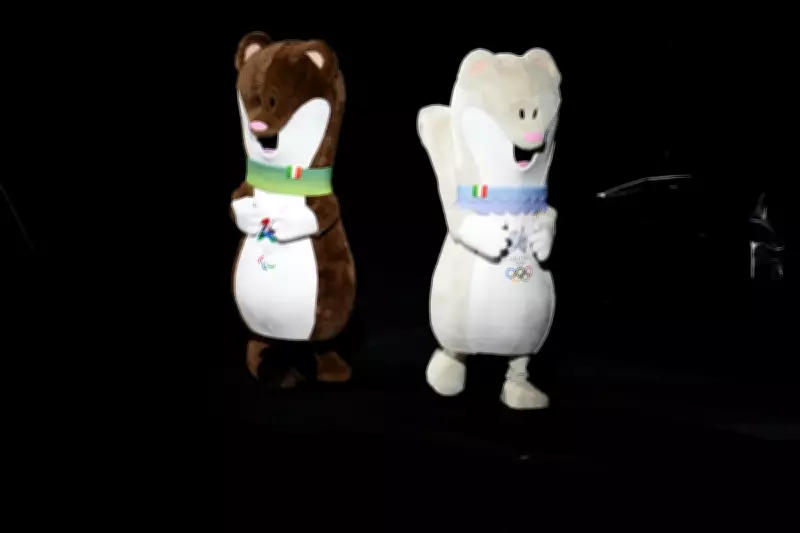
For enthusiasts of the Milan Cortina Olympic mascots, the adorable stoat siblings Milo and Tina, securing a plush toy has become an unexpectedly challenging quest. In the host cities of Milan and Cortina d'Ampezzo, these cuddly representations have vanished from shelves, leaving fans in a humorous state of desperation. Less than a week into the Winter Games, official Olympic stores have reported complete sell-outs of the popular merchandise.
Scarcity Leads to Creative Solutions and Humorous Desperation
The shortage has inspired witty remarks among visitors, with some joking that the only guaranteed way to obtain a plush toy is by winning an Olympic medal. Julia Peeler, a 38-year-old from South Carolina, humorously noted this while in central Milan, where the mascot characters were posing for photos. Peeler is on a dedicated mission to find the plushies for her niece, having already purchased mascot pins that she carefully avoids wearing on her lanyard to prevent swaps in the popular Olympic pin trading scene.
Milo and Tina, designed as stoats—small mustelids similar to weasels or otters—carry symbolic meanings. Tina, the lighter-coloured stoat, represents the Olympic Winter Games, while Milo, short for Milano, embodies the Paralympic Winter Games. According to the official Olympics website, Milo was born without one paw but has learned to use his tail, turning his difference into a strength, a detail that adds depth to his character.

Merchandise Range and High Demand for Plush Toys
While the mascots adorn a variety of items, from coffee mugs to T-shirts, the plush toys remain the most sought-after products. Priced between 18 and 58 euros, they have disappeared from major official stores, including the largest outlet at Milan's iconic Duomo Cathedral and locations in Cortina. By Tuesday night, online stocks also appeared to be depleted, reinforcing the notion that earning a medal might be the only surefire method to acquire one, as winning athletes are gifted these plush toys on the podium.
Broadcast system engineer Jennifer Suarez was among the fortunate few who managed to secure a tiny Tina at the media centre in Milan on Tuesday. A dedicated collector of mascot toys since the 2010 Vancouver Games, Suarez had been persistently inquiring about restocks. "We were lucky we were just in time," she said, clutching her prize. "They are gone right now."
Widespread Appeal and Emotional Connections
The mascots' charm is undeniable, drawing crowds of fans eager for interactions. Friends Michelle Chen, 29, and Brenda Zhang, 28, from San Francisco, were among dozens taking photos with the characters at a central Milan fan zone. Chen expressed her enthusiasm, saying, "They're just so lovable and they're always super excited at the Games, they are cheering on the crowd." Zhang added, "They're just so cute, and stoats are such a unique animal to be the Olympic mascot."
For some, the mascots hold a deeper significance, particularly Milo's role as the Paralympics mascot. Annie-Laurie Atkins, a friend of Peeler, shared her admiration, stating, "The Paralympics are really special to me. I have a lot of friends that are disabled and so having a character that also represents that is just incredible." This emotional connection underscores the broader impact of the mascots beyond mere merchandise, highlighting their role in promoting inclusivity and inspiration during the Games.