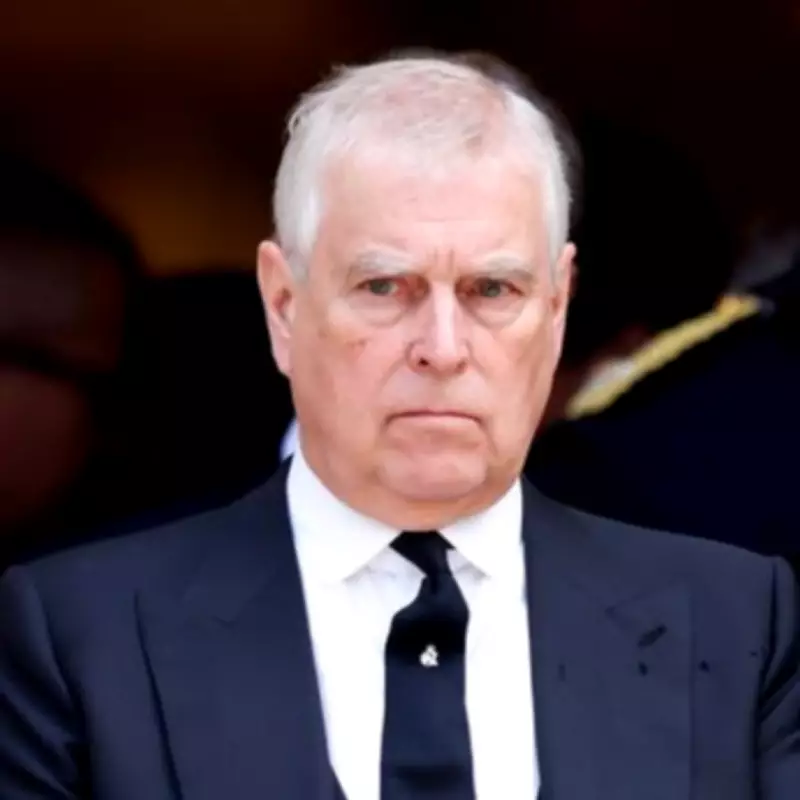
Andrew Mountbatten-Windsor Faces Fresh Allegations Over Taxpayer-Funded Expenses
Disgraced former prince Andrew Mountbatten-Windsor stands accused of utilizing public funds for personal massages and extravagant travel costs during his tenure as the United Kingdom's special representative for international trade and investment. These serious allegations have emerged from retired civil servants who oversaw financial matters during Andrew's controversial diplomatic career.
Civil Servants Detail Questionable Expenditures
According to BBC reports, one former civil servant explicitly refused to authorize payment for a massage requested by Andrew, only to be overruled by senior staff members. The whistleblower revealed to the broadcaster: "I thought it was wrong... I'd said we mustn't pay it, but we ended up paying it anyway." This troubling admission suggests systemic failures in financial oversight within government departments responsible for managing royal expenses.
A separate Whitehall official with direct knowledge of Andrew's expenditure patterns confirmed having witnessed similar questionable expenses during overseas trips. This individual stated they had "absolutely no doubt" about the authenticity of the massage claims, having personally reviewed travel documentation that included excessive charges for flights, hotel accommodations, and expenses for the former prince's entourage.

Police Investigation Intensifies Amidst Epstein Connections
These financial allegations surface as police continue their investigation into Andrew's conduct, including searches of his former residence at Royal Lodge in Windsor, Berkshire. The former prince spent eleven hours in custody on his sixty-sixth birthday while officers conducted searches at his Sandringham Estate property in Norfolk before being released under investigation.
Andrew faces accusations of sharing sensitive governmental information with convicted sex offender Jeffrey Epstein during his time as trade envoy. In a 2009 video-taped interview under oath, Epstein's former Florida housekeeper Juan Alessi testified that Andrew would receive "daily massages" during visits to Epstein's properties, adding credibility to the recent financial misconduct allegations.
Political Pressure Mounts for Parliamentary Scrutiny
The Liberal Democrats have indicated they may utilize opposition day in the House of Commons to initiate debate and secure greater transparency regarding Andrew's former role. A party source confirmed they were "carefully considering how best to use our opposition day to secure more transparency and parliamentary scrutiny around Andrew Mountbatten-Windsor and his role as trade envoy, in the public interest."
Labour leader Sir Keir Starmer has announced plans to discuss removing Andrew from the line of succession, a move that would require an Act of Parliament agreed upon by all fourteen British realms. Australian Prime Minister Anthony Albanese has already pledged support for such measures, stating his government "would agree to any proposal to remove him from the line of royal succession."
Broader Implications for Royal Accountability
Despite being stripped of his royal titles last year, Andrew remains eighth in line to the throne, protected by constitutional protocols that make his removal from succession exceptionally challenging. The growing chorus of public figures demanding comprehensive investigation into Andrew's dealings with Epstein, combined with these new financial misconduct allegations, creates unprecedented pressure for institutional reform regarding royal accountability and expenditure oversight.
The whistleblower who spoke to the BBC regarding the massage payments reflected on the missed opportunity for intervention, stating: "I can't say it would have stopped him, but we should have flagged that something was wrong." This admission highlights broader concerns about financial governance and accountability mechanisms within government departments responsible for managing official expenditures.