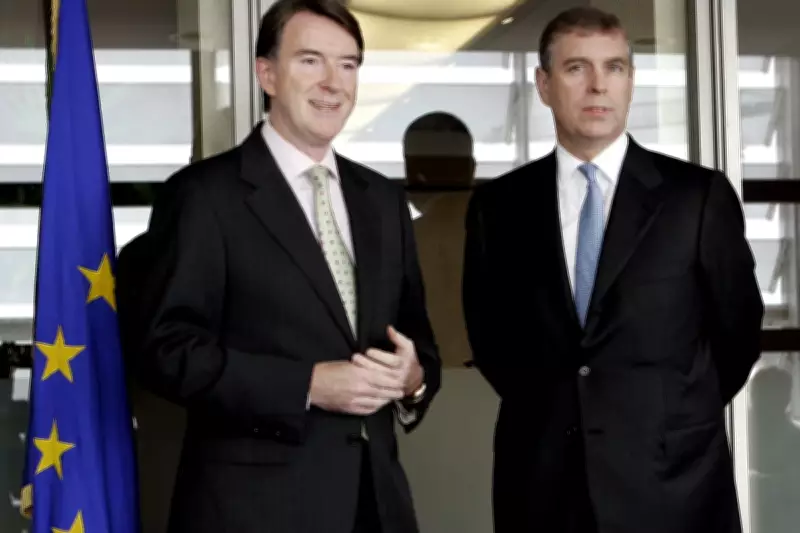
The high-profile arrests of former Prince Andrew and Britain's former ambassador to the United States, Peter Mandelson, have thrust an obscure and centuries-old legal offense into the public spotlight. Both individuals were detained within days of each other due to their connections with the late convicted sex offender Jeffrey Epstein, with investigations focusing on allegations of misconduct in public office.
Arrests and Allegations
While neither Andrew Mountbatten-Windsor, as the former prince is now known, nor Mandelson have been formally charged, their arrests have drawn significant attention to the legal framework surrounding public officials. Police have not released specific details regarding their questioning, but recently disclosed U.S. government documents suggest both men maintained close ties to Epstein and may have improperly shared sensitive information.
Evidence from Released Files
The trove of documents indicates that during his tenure as the U.K.'s trade envoy from 2001 to 2011, Mountbatten-Windsor allegedly passed confidential trade reports and other materials to Epstein. In Mandelson's case, the files suggest that while serving as Business Secretary approximately fifteen years ago, he may have shared an internal government report with the financier and promised to lobby for tax reductions on bankers' bonuses.

Both men have previously denied any wrongdoing and have not commented on these latest allegations. The investigations are ongoing, with prosecutors examining whether there is sufficient evidence to proceed with charges.
The Legal Challenge of Misconduct in Public Office
The Crown Prosecution Service defines misconduct in public office as a serious willful abuse or neglect of the powers and responsibilities associated with a public position. Establishing a direct link between the misconduct and an abuse of those responsibilities is crucial for a successful prosecution.
High Threshold for Conviction
This offense, which carries a maximum sentence of life imprisonment, is notoriously difficult to prove. Experts highlight several challenges, including the lack of a clear definition for what constitutes a "public officer." For instance, it may be particularly complex to argue that Mountbatten-Windsor held a public office during his unsalaried role as special representative for international trade and investment, which only covered travel expenses.
Prosecutors must demonstrate that the suspects willfully neglected their duties or engaged in misconduct so severe that it constitutes an abuse of public trust, and that their actions were without reasonable excuse or justification.
Calls for Legal Reform
The Law Commission, an independent body that advises the government on legal reforms, has long criticized the offense of misconduct in public office for its vague wording. The commission advocates for its repeal and replacement with more specific offenses to ensure public officials are appropriately held accountable.
Disparities in Prosecution
Another concern raised by the commission is that prosecutions under this law have predominantly targeted low- to mid-ranking officials, such as police and prison officers, rather than senior managers or politicians. This disparity underscores the need for clearer legal standards that apply uniformly across all levels of public service.
Outlook and Expert Analysis
Following their release after police questioning, the legal prospects for Mountbatten-Windsor and Mandelson remain uncertain. Marcus Johnstone, managing director of PCD Solicitors, noted that it is unlikely either man will be charged imminently. Even if convicted, they are not expected to receive the maximum sentence due to the high threshold required for prosecution.
Johnstone emphasized that the conduct must be so egregious that it affronts the office's standing, warrants condemnation, and harms the public interest. "Serious mistakes or simple negligence are insufficient," he stated, adding, "Although an investigation is now taking place, we are still a long way away from a potential prosecution."
As the investigations continue, the cases highlight ongoing debates about the adequacy of current laws in addressing misconduct among public figures and the urgent need for legal reform to ensure accountability and transparency in public office.