Andrew Mountbatten-Windsor's Taxpayer-Funded Massages and Lavish Expenses Exposed
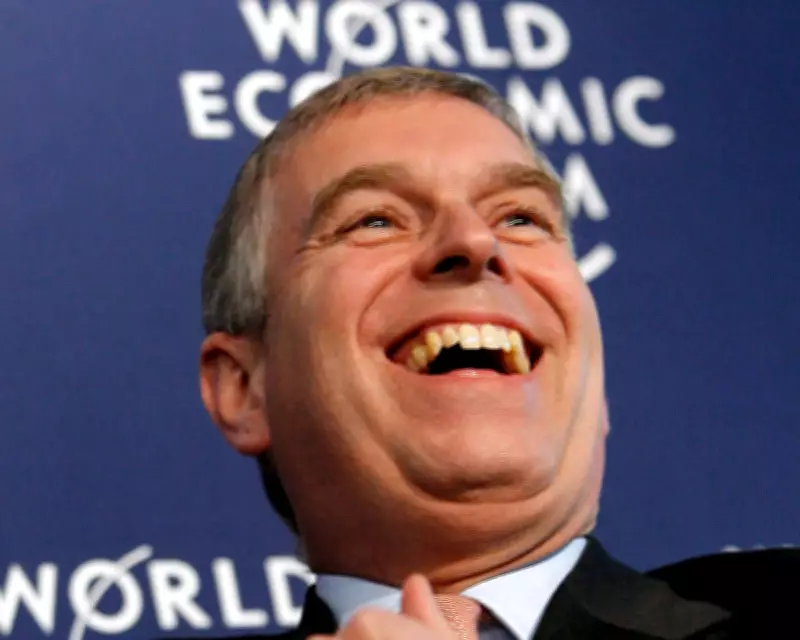
Andrew Mountbatten-Windsor, who served as the UK's trade envoy from 2001 to 2011, allegedly charged taxpayers for massage services and excessive travel expenses, according to reports from former senior civil servants. These sources describe a pervasive culture of deference within Whitehall that allowed such claims to be approved without proper scrutiny.
Shocking Expense Claims and Deferential Culture
One retired civil servant, who worked in the trade department during the early 2000s, expressed dismay at seeing claims for "massage services" following a Middle East visit. "I thought it was wrong ... I'd said we mustn't pay it, but we ended up paying it anyway," the source told the BBC. Despite refusing the request initially, the civil servant was overruled by senior colleagues, highlighting a lack of accountability.
The former official regretted that this incident represented a missed opportunity to address problematic behaviour. "I can't say it would have stopped him, but we should have flagged that something was wrong," they added, underscoring the failure to enforce financial checks.

Excessive Spending and Lack of Oversight
A second source, responsible for overseeing finances in this area, confirmed seeing similar expense claims for Andrew's trips and had "absolutely no doubt" about the allegations' authenticity. The BBC reported additional claims for unreasonable flight costs, excessive hotel rooms, and charges for Andrew's entourage.
"I couldn't believe it ... it was like it wasn't real money, they weren't spending any of their own money," another source remarked, pointing to a cavalier attitude towards public funds. The expenses were reportedly obscured across different budgets, making them difficult to trace, and there was uncertainty over the composition of Andrew's entourage.
Ineffectiveness and Diplomatic Concerns
A third source criticised Andrew's performance as a trade envoy, describing him as a liability who often went off-script and behaved inappropriately. "Andrew was seen as a liability. He went off-script, he thought he was an expert, when he wasn't. He thought he was funny, when he was being rude to people," the former civil servant stated, suggesting his visits sometimes harmed local relations rather than enhancing them.
Response and Legal Context
The Department for Business and Trade did not deny the claims, instead referring to a statement from Thames Valley police issued after Andrew's recent arrest, which noted, "We continue to assess all relevant information and have no further comment at this time." Andrew was released under investigation after being held by police for over 10 hours, though there is no suggestion that the behaviour described amounts to unlawful conduct. His lawyers have declined to comment.
The BBC conducted separate interviews with the former civil servants, and while The Guardian has not independently verified their claims, the broadcaster confirmed the whistleblowers worked in relevant roles during the period in question. This scandal raises serious questions about financial oversight and accountability within government roles.