Cesar Chavez Legacy Tarnished by Multiple Rape and Sexual Assault Allegations
In a stunning development, the revered legacy of Cesar Chavez, co-founder of the United Farm Workers (UFW), has been severely compromised by a New York Times investigation detailing multiple allegations of sexual harassment, molestation, and rape. The report, published recently, includes corroborated accounts from five women, shedding new light on the dark side of a man long celebrated as a hero in the labor and civil rights movements.
Detailed Allegations from Victims
According to the Times, two women, Ana Murguia and Debra Rojas, both now 66, allege that Chavez sexually abused them repeatedly when they were children, starting at ages 12 and 13. Rojas claims that at 15, Chavez took her to a motel in Stockton, California, and raped her, while Murguia reports molestation without intercourse. Both women describe similar patterns of grooming, with Chavez summoning them to his office and exploiting their admiration for him.
Additionally, Dolores Huerta, the renowned trade union activist and UFW co-founder, alleges that Chavez pressured her for sex on a work trip and later raped her in a parked car, resulting in pregnancies that she concealed by giving the daughters away. Two other women, Esmeralda Lopez and her mother Cynthia Bell, also reported sexual harassment by Chavez when they were young organizers in the movement.

Evidence and Historical Context
The investigation reviewed a letter from Rojas to Chavez in 1974, written at age 13, which alludes to the abuse in childlike terms. This document, stored in Chavez's archive at Wayne State University, has been publicly available for decades, yet allegations have been suppressed. Rumors of Chavez's extramarital affairs and misconduct have circulated for years, with biographies noting he fathered at least four children outside his marriage, including two from nonconsensual encounters with Huerta.
Victims faced significant barriers to speaking out, with Huerta citing fears of disbelief and alienation within the union. After Rojas shared her story in a private Facebook group, she was accused of jeopardizing the movement's achievements, highlighting a culture of protection around Chavez's legacy.
Impact on Legacy and Movement
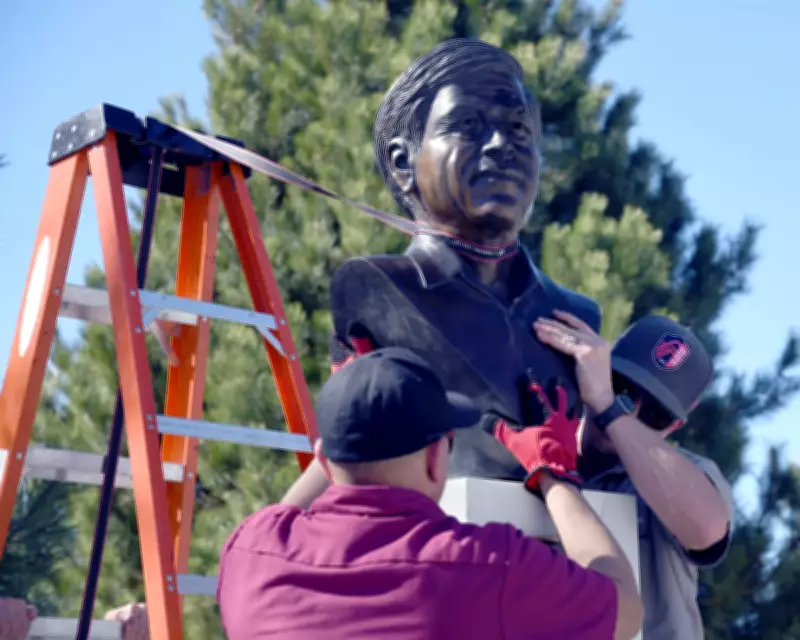
The revelations force a reevaluation of Chavez's iconic status. Public honors, such as boulevards, schools, murals, and the California state holiday named after him, now stand as painful reminders to his victims. However, the report emphasizes that the righteousness of the farmworker struggle for labor rights and Latino dignity remains untarnished, despite Chavez's personal failings.
Huerta's later embrace of feminist politics underscores the need for broader awareness of misogyny and abuse across political movements. As the UFW grapples with this new understanding, it may look to feminist principles for guidance on separating ideals from flawed leaders.
Ultimately, the responsibility for these actions lies solely with Chavez, not the women who have bravely come forward. Their accounts reveal a long-term pattern of abuse that challenges the myth of a flawless hero, urging a more nuanced view of historical figures in social justice movements.