Vibration Plate Fitness Trend: Separating Science from Social Media Hype
The Independent's journalism is supported by our readers. When you purchase through links on our site, we may earn commission. Vibration plates have surged in popularity across social media platforms, but do they deliver on their promised health benefits? Our science correspondent Julia Musto embarked on a month-long experiment to uncover the truth behind this shaky fitness phenomenon.
The Social Media Frenzy and Personal Experiment
Vibration plates, those 2-3-foot wide plastic and rubber platforms that vibrate via remote control, have existed for over two decades. However, they have recently exploded across TikTok and Instagram, featuring in more than 130,000 videos. Beauty influencer Maiya Sagoo exemplifies the trend, praising the devices for helping users achieve "abs, like actual abs." Some influencers even claim vibration plates can boost digestive health, induce labor, or calm children's tantrums.
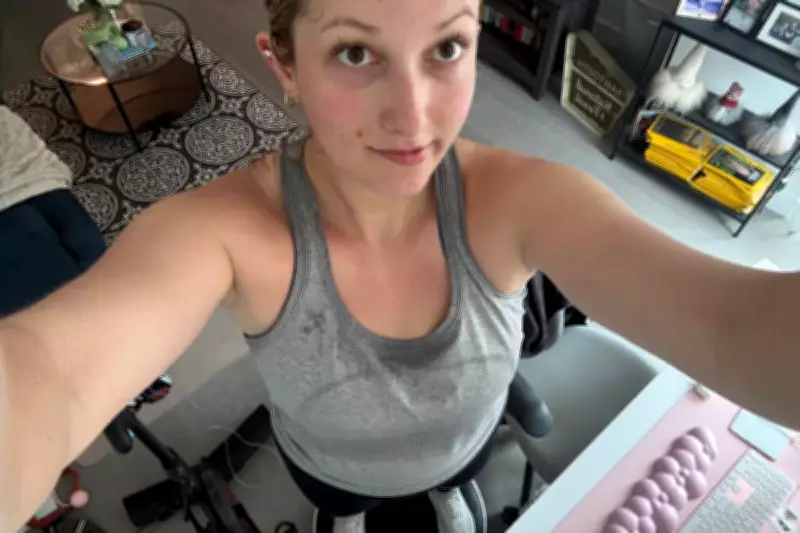
Julia Musto purchased a $100 plate online and used it for 5-10 minutes daily after her regular workouts, which typically included two-hour gym sessions or hour-long runs. The initial experience was jarring, with the body shaking intensely, but bending knees slightly helped stabilize the sensation. The activity required balancing and flexing muscles in the abs, legs, and glutes, reminiscent of yoga or surfing. After a few minutes, users adapt, but the shaking sensation persists briefly afterward, hinting at potential muscle engagement.

Expert Insights on Weight Loss and Muscle Toning
Scientific research on vibration plates, stemming from occupational vibration therapy studies, yields mixed results. Certified personal trainer Hana Ivandic emphasizes that standing on a vibration plate alone won't lead to dramatic fat loss or muscle tone, as the body requires more comprehensive approaches. A 2017 study on mice from Augusta University showed that 20 minutes on a vibrating platform reduced body fat and insulin resistance in diabetic, overweight rodents, suggesting potential benefits when combined with calorie restriction.
University Hospitals Healthcare notes that vibration plates can boost metabolism when paired with cardiovascular exercise and a healthy diet, as rapid muscle contractions demand energy. However, a 2019 review of seven controlled trials indicated that whole-body vibration might reduce body fat but doesn't significantly impact overall weight status. Fitness instructor Tiffany Angulo Ragozzino adds that these devices don't elevate heart rate enough to create a calorie deficit essential for fat loss.
Lymphatic Drainage and Bone Health Claims
Another purported benefit is improved lymphatic drainage, which helps manage conditions like lymphedema. Vibration plates may stimulate blood flow and oxygen delivery to muscles, but experts like Dr. Håkan Brorson of Lund University Cancer Centre state there's "no convincing evidence" they alleviate lymphedema or lipedema. The mechanism behind fluid removal remains unclear, whether from lymphatic systems or veins.
For muscle strength, the Augusta University mouse study found daily vibration improved muscle and bone strength, with Mayo Clinic research supporting potential gains. However, fitness expert Dr. Lauren Colenso-Semple argues vibration plates are inferior to weight lifting, as effective strength training requires increased resistance. On bone health, vibration at frequencies between 20-100 hertz may benefit bone density, particularly in cancer patients, according to an MD Anderson Cancer Center study.
Dr. Jocelyn Wittstein of Duke Orthopedic Surgery notes reasonable data showing improved lumbar spine bone density, but benefits depend on individual health and consistent use—requiring 20 minutes daily or about 7,000 minutes annually. She suggests this might suit those with limited mobility, osteoporosis, or arthritis, but for healthy individuals, traditional gym or pilates sessions are more effective.

Practical Considerations and Final Verdict
Dr. Peter Johnson, professor emeritus at the University of Washington, acknowledges that vibration plates might offer some health effects compared to inactivity, but they shouldn't replace strength training. Dr. Wittstein advises consumers to consider their abilities, time, and budget when deciding on such devices, emphasizing they are not a substitute for comprehensive exercise routines.
In conclusion, while vibration plates may provide minor benefits like improved circulation or bone density in specific cases, they fall short of the exaggerated claims circulating on social media. For most people, especially those in good health, investing time in traditional workouts remains the superior choice for achieving fitness goals.