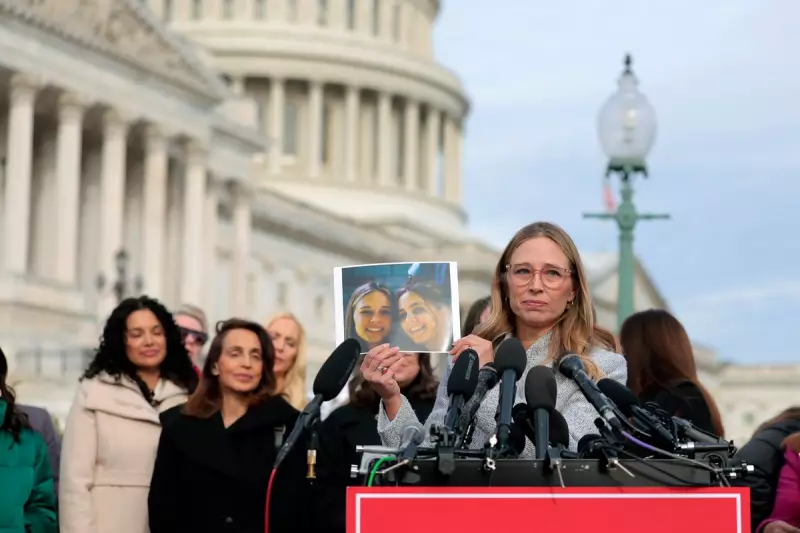
Survivors of the late financier and convicted sex offender Jeffrey Epstein have voiced profound disappointment and anger following the release of a heavily redacted cache of documents by the US Justice Department. The release, which came on Friday, failed to meet a legal deadline set by Congress and left crucial information obscured.
Missed Deadline and Widespread Censorship
Despite a bill passed by Congress and signed into law by then-President Donald Trump compelling the full disclosure of documents related to the Epstein case by Friday, the Justice Department stated it would require an additional "couple of weeks" to make everything public. The initial document dump, comprising thousands of pages, was marred by extensive blacked-out sections, including one entire 100-page file.
Representative Ro Khanna, the California Democrat who co-led the push for transparency with Republican Thomas Massie of Kentucky, criticised the move. He told CNN that the documents were "excessively redacted" and that "the most important documents are missing." He specifically noted the absence of Epstein's 60-count indictment from 2008 and an 82-page memo detailing the charges.

Survivors Condemn Protection of the Powerful
The reaction from survivors of Epstein's alleged sexual abuse and sex trafficking was one of bitter frustration. Annie Farmer, a survivor, stated, "I don't feel tremendously confident that everything will come out." In a powerful indictment of the process, she added, "There's been a lot of effort, money & time put into redactions. Not to protect victims, but to protect people in power."
Jess Michaels, another survivor, told MSNBC that "even with an act of Congress we are seeing the exact same delays, negligence, corruption, incompetence that we’ve seen consistently." Liz Stein urged the public to "continue putting the pressure on and demanding accountability from our government to release all of this information."
Revealed Details and Continued Fallout
Among the documents that were partially visible was a disturbing 1996 FBI complaint from Maria Farmer, Annie Farmer's sister and also an Epstein survivor. The report alleged Epstein stole pictures of her then 12-year-old and 16-year-old sisters—the latter confirmed to be Annie Farmer—and sold them to "potential buyers." The complaint, classified as concerning "child pornography," also stated Epstein had threatened to "burn her house down" if she spoke of the photos.
Maria Farmer, in a statement to CNN, said she shed "tears of sorrow for all the other victims that the FBI failed." The political fallout continued, with Republican Marjorie Taylor Greene criticising the redactions and delay on social media, stating it was "NOT MAGA." Meanwhile, the White House defended the Trump administration's record on transparency.
Attorney Gloria Allred, representing several survivors, summarised the core demand: "If there are rich, powerful, famous men who engaged in or assisted in or conspired to sex traffic underage girls, they want to know who those people are." The Justice Department maintains it is not required to release material that could identify victims, depict abuse, or jeopardise active investigations.