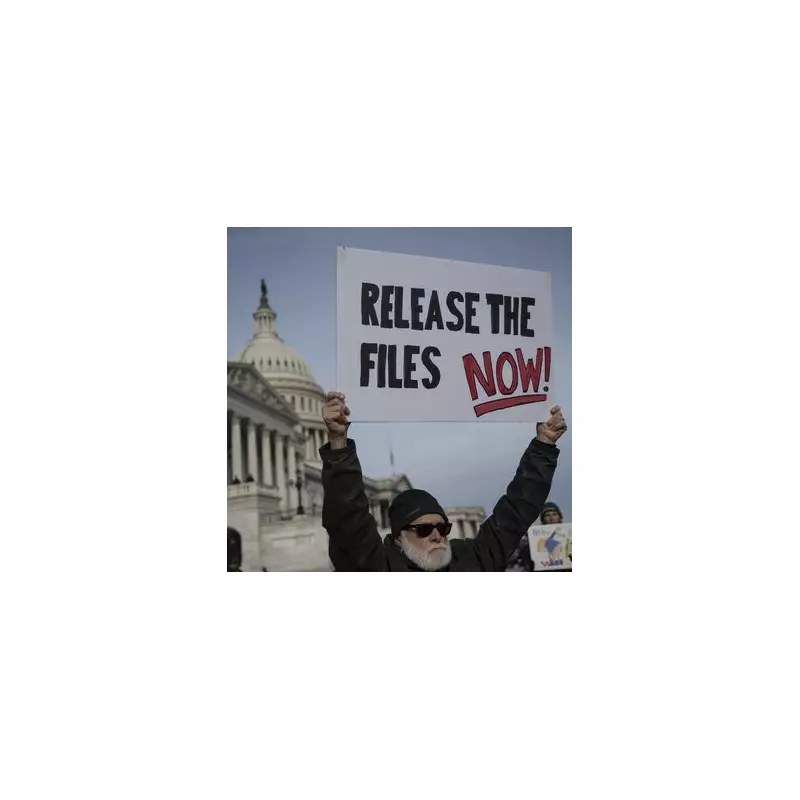
The full cache of documents related to the late financier and convicted sex offender Jeffrey Epstein has been made public, following a rare act of bipartisan cooperation in the US Congress that forced the hand of President Donald Trump.
A Release Forced by Congress
President Trump returned to the White House in January 2025, partly on a pledge to release the trove of documents. However, months into his second term, he reversed his position, branding the push for disclosure a "hoax". The stalemate was broken when Republicans and Democrats voted together to demand the files be made public, a move that overturned any potential presidential veto. The deadline for release was set for 19 December 2025.
The disclosure has not been without controversy. The files are being released in stages, contrary to expectations of a full, immediate dump, leading to accusations of a Trump administration "cover-up". Even in earlier comments to Fox News ahead of the 2024 election, where Trump said "I guess I would [release them]", he hinted at future censorship, referring to the need to protect against "phony stuff" within the documents.

Understanding the Legal Redactions
As the public and journalists scour the newly available material, it is evident that many sections have been blacked out or redacted. This is permitted under the law that mandated the release. The US Justice Department is legally allowed to withhold information that would constitute a "clearly unwarranted invasion of personal privacy".
Furthermore, the law explicitly prevents the release of any materials depicting the sexual abuse of children, or photos showing death, physical abuse, or injury. This means any potential video evidence of Epstein or others abusing victims will remain sealed from public view.
Critically, the legislation states that records cannot be withheld simply because they are embarrassing to public figures or elected officials. However, it does permit the Justice Department to block documents that could jeopardise an active police investigation or contain information linked to national defence or foreign policy.
What the Files Contain and What They Don't
The released documents include numerous files from Epstein and others who knew him, shedding light on his network and operations. Contrary to widespread conspiracy theories, there is no single "client list" naming individuals. Investigations into Epstein and his accomplice, Ghislaine Maxwell, are concluded, but probes into associates of the pair are understood to be ongoing.
The partial and redacted nature of the release ensures that while a significant historical record is now public, the full story remains partially obscured. The political battle over the documents, culminating in Congress forcing the President's compliance, underscores the intense public and institutional interest in uncovering the truths surrounding one of the most notorious criminal cases of the modern era.