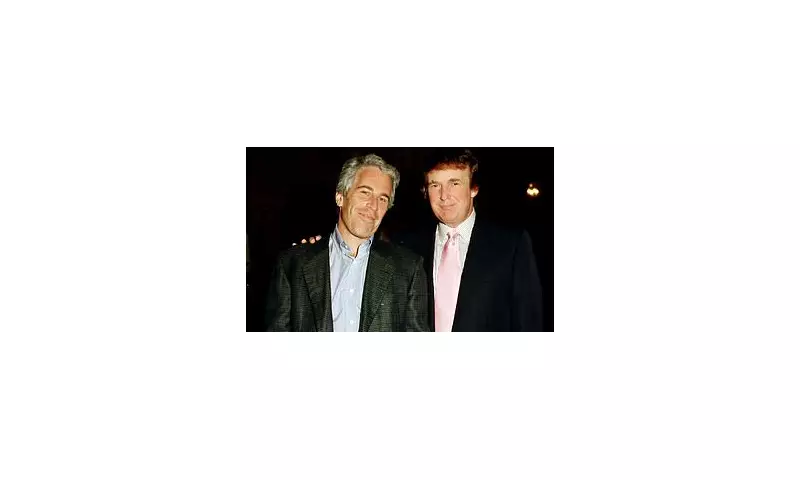
The US Justice Department has finally begun the long-awaited publication of hundreds of thousands of documents related to the network of convicted paedophile Jeffrey Epstein. The release, mandated by Congress, commenced on Friday, 19 December 2025, the final day permitted by law.
A Staggering Document Drop Meets Technical Difficulties
While the documents were officially published on the Department of Justice's (DOJ) website, the page repeatedly crashed under the strain of public demand. Deputy Attorney General Todd Blanche confirmed on Friday morning that this initial release of several hundred thousand pages is only the first wave. He stated that several hundred thousand more documents are expected to be published over the following weeks.
This monumental disclosure follows the passage of the Epstein Files Transparency Act, which was signed by President Donald Trump on 19 November 2025. The legislation gave the DOJ a strict 30-day deadline to review and publish the files, a mandate fulfilled to the exact date. However, officials admit they could not fully meet the deadline, with vast quantities of material still pending release.

Political Pressure and Partial Transparency
The case has been shrouded in years of conspiracy theories and intense political pressure from both Democrats and Republicans, as well as victims of Epstein's crimes. The House Oversight Committee, led by Chairman James Comer, subpoenaed the files from the DOJ and Epstein's estate earlier this year. Democrats on the panel had already begun releasing a trickle of evidence, including dozens of images linking high-profile figures to Epstein.
Officials have cautioned that a significant portion of the released documents will be redacted to protect victims' identities. "We are looking at every single piece of paper that we are going to produce making sure that every victim, their name, their identity, their story to the extent it needs to be protected, is completely protected," Blanche told Fox News just hours before the deadline.
The legislation allows the DOJ to redact details that would constitute a "clearly unwarranted invasion of personal privacy." Historian Allan Lichtman noted to the BBC that "there's no penalty for selective redactions," a point that has fuelled public scepticism.
High-Profile Names and Political Fallout
The documents are expected to contain emails, texts, images, and other correspondence. Previous releases from the Oversight Committee have already shown images connecting Epstein and his accomplice Ghislaine Maxwell to figures including:
- Former Presidents Donald Trump and Bill Clinton
- Prince Andrew
- Former Trump adviser Steve Bannon
- Filmmaker Woody Allen
- Microsoft founder Bill Gates
- Pope John Paul II
The release has caused significant political ruptures. It contributed to the very public breakup between Trump and Congresswoman Marjorie Taylor Greene last month. Furthermore, it nearly led to the resignation of Deputy FBI Director Dan Bongino following reported tensions with Attorney General Pam Bondi over the handling of the saga.
Bondi herself faced criticism for a February 2025 stunt where she convened conservative influencers at the White House and handed them binders labeled 'Epstein Files: Phase 1' that contained no new information.
In July 2025, the FBI and DOJ concluded their review, stating no further prosecution was warranted and confirming Epstein's 2019 death was self-inflicted, a finding that sparked controversy among online investigators.
As politicians and the public now scramble to analyse the vast document dump, the full impact of these revelations on the powerful figures named within remains to be seen. The story continues to evolve, with more documents promised in the coming weeks.