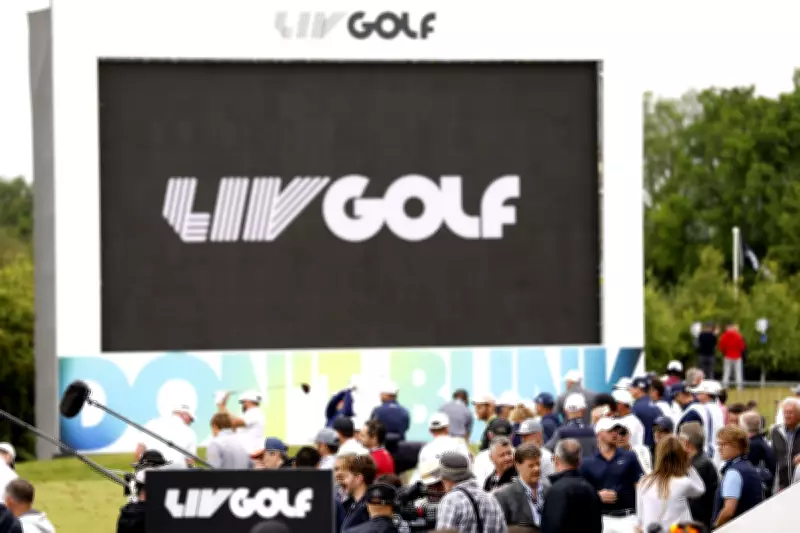
LIV Golf has postponed its inaugural event in New Orleans, originally scheduled for June, amid growing uncertainty over the breakaway league's future after reports that the Saudi Arabian Public Investment Fund (PIF) may withdraw its financial backing. The decision comes less than two weeks after LIV Golf CEO Scott O'Neil insisted the season would continue "exactly as planned, uninterrupted and at full throttle."
Postponement Details
According to The Athletic, Secretary of Louisiana Economic Development Susan Bourgeois spoke with O'Neil on Friday and agreed to delay the June 25 tournament to later in the autumn. The postponement was officially announced on Tuesday, with a confirmation for a "re-envisioned event in the fall." However, LIV Golf currently has no schedule beyond its team championship in August and did not respond to The Athletic's request for comment.
Impact on US Schedule
The postponement means LIV Golf will have no tournaments in the United States for a three-month period following the northern Virginia leg at Trump National from May 7-10 until the August 6-9 event at Trump Bedminster in New Jersey.

Reasons for Delay
Reportedly, LIV Golf sought to move the New Orleans tournament to avoid peak summer temperatures, ensure the course is in championship condition, and prevent conflicts with the World Cup in terms of attendance and viewership.
Financial Implications
Louisiana officials had previously agreed to pay LIV Golf $5 million and spend an additional $2.2 million on improvements to the Bayou Oaks course in City Park to accommodate the event. As of last week, only just over $3 million had been spent, including $2 million on course improvements. A joint statement from Louisiana State Governor Jeff Landry and Bourgeois confirmed the postponement, saying: "We appreciate LIV's good-faith efforts and look forward to maintaining our partnership as we continue conversations around an event later this year." The two parties have also agreed that LIV will return the $1.2 million already received, while treating the $2 million spent on Bayou Oaks as an acceptable improvement to a state asset.