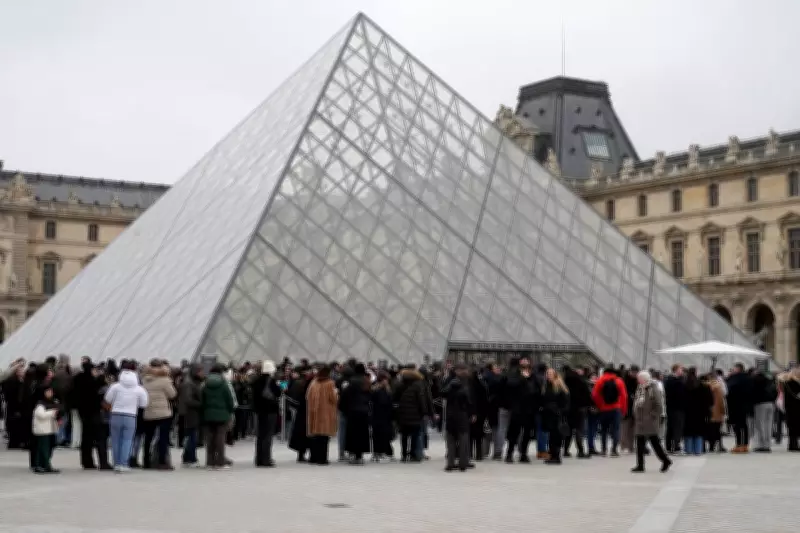
Louvre Official Declares Fraud 'Inevitable' at Large Museums as France Probes Multimillion-Euro Scheme
The Louvre's second-in-command has described a suspected ticket fraud scheme exceeding ten million euros as something that was likely unavoidable for an institution of its scale. Kim Pham, the museum's general administrator, made these remarks in the wake of a decade-long investigation revealed last week by Paris prosecutors.
'Statistically Inevitable' Fraud at World's Most Visited Museum
For the Louvre, which attracts approximately nine million visitors annually to view thirty-five thousand works of art across eighty-six thousand square meters, fraud represents a "statistically inevitable" occurrence according to Pham. He oversees day-to-day operations including administration and internal management at the Paris landmark.
"Which museum in the world, with this level of attendance, would not at certain moments have some issues of fraud," Pham questioned during an interview with The Associated Press. While acknowledging the Louvre's unique vulnerability due to its size, he declined to identify other institutions facing similar challenges when pressed.
Complex Network of Alleged Ticket Fraud
Paris prosecutors disclosed last week that nine individuals have been detained and formally charged in connection with the suspected ticket scheme. Among those facing charges are two Chinese tour guides accused of repeatedly reusing the same tickets to bring different visitor groups into the museum, allegedly with assistance from Louvre employees.
Investigators estimate losses surpassing ten million euros over a ten-year period, with the alleged criminal network suspected of bringing up to twenty guided groups daily through fraudulent means. The Louvre initially filed a complaint in December 2024, though Pham declined to confirm the exact financial figures while the judicial investigation continues.
Prosecutors revealed additional methods included tour guides splitting groups to avoid paying required "speaking fees"—commissions paid to the museum for operating privileges. This complex web of alleged fraud has emerged during a challenging period for the institution.
Multiple Crises at Historic Institution
The fraud investigation arrives as the Louvre continues grappling with multiple high-profile incidents from the past year. These include the October 2025 theft of French Crown Jewels valued at approximately eighty-eight million euros from the Apollo Gallery, water leaks damaging priceless books, several staff walkouts, and a wildcat strike last summer protesting poor conditions, mass tourism pressures, and understaffing concerns.
When questioned whether these events suggest a museum spiraling out of control, Pham firmly rejected such characterization. "Quite simply, the Louvre is the biggest museum in the world," he asserted, describing the institution as "a historic building that began to emerge at the start of the 13th century and has had many historical layers up to the 20th century."
Digital Transformation and Fraud Prevention Challenges
Pham acknowledged shortcomings in the museum's defenses while emphasizing that fraud prevention represents "an action of every moment." He highlighted how the museum's digital transformation has created new vulnerabilities, noting that "ninety percent of tickets today are bought online, on the web" and that "major fraud takes place" in this digital sphere.
Specific digital fraud methods cited include "fraudulent purchases with stolen cards"—which Pham said occurred "massively" in 2023—along with "siphoning of free tickets" for resale and the circulation of counterfeit tickets. He also connected visitor caps implemented after the pandemic to increased fraud, explaining that "when you limit the number of people who can enter a museum each day, you increase the scarcity of the ticket and that brings fraudsters."
Enhanced Security Measures Implemented
In response to the ongoing investigation, the Louvre has implemented stricter ticket validation protocols. Individual tickets are now limited to two scans at museum checkpoints, while group tickets are restricted to a single validation—changes specifically designed to prevent guides from reusing tickets for additional visitors.
"For several months—and we did not wait for this moment of the investigation and the recent arrests—we carry out checks before the checkpoint," Pham revealed, adding that additional verification occurs "once inside the museum galleries."
Regarding staffing concerns raised during recent strikes, Pham rejected suggestions that understaffing contributed to the alleged ticket reuse, stating "staffing is at the right level for those functions." He confirmed that two Louvre employees questioned in the case have been instructed not to return to work during the investigation while emphasizing their presumption of innocence until proceedings conclude.
The general administrator stressed that the museum proactively alerted authorities about the suspected fraud rather than waiting for external detection. As the investigation continues alongside recovery efforts from the crown jewels theft—where several suspects have been arrested but stolen items remain missing—the Louvre faces ongoing challenges balancing accessibility, security, and preservation at one of the world's most iconic cultural institutions.