A US attorney in Miami, known for his loyalty to Donald Trump's MAGA movement, is significantly expanding a controversial investigation targeting former intelligence officials who angered the former president by probing Russia's 2016 election interference.
A Probe Labelled a 'Fishing Expedition'
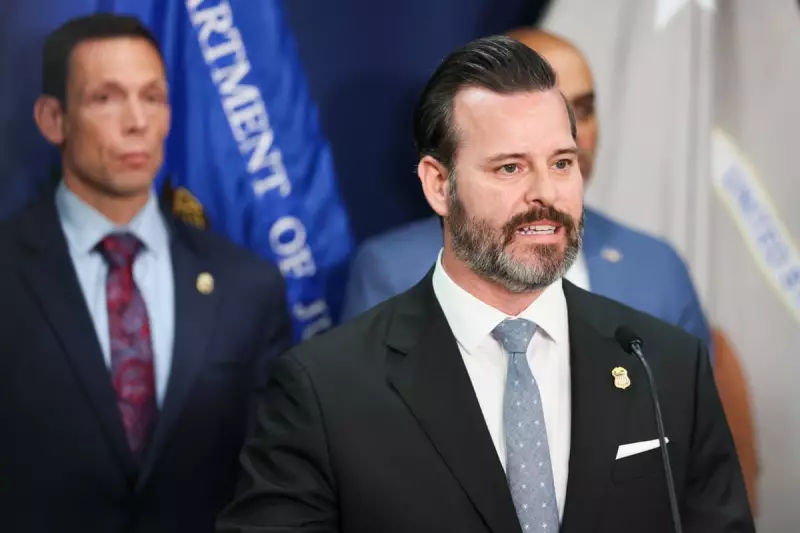
Legal experts and former prosecutors are condemning the inquiry led by Jason Reding Quiñones, the Trump-appointed US attorney for the southern district of Florida, as a politically motivated "fishing expedition." The investigation has reportedly issued around two dozen subpoenas, aiming to find ways to criminally charge officials already scrutinised and effectively cleared by previous exhaustive probes.
Among those reportedly subpoenaed are ex-CIA director John Brennan, who led the 2016 Russia inquiry, former director of national intelligence James Clapper, and ex-FBI officials Peter Strzok and Lisa Page. The probe appears focused on the 2017 intelligence assessment that concluded the Kremlin intervened to aid Trump's election.

Internal Resistance and External Influence
The direction of the Miami investigation has reportedly prompted two young prosecutors assigned to the case to resign, citing concerns over its tactics and legitimacy. Meanwhile, the inquiry seems bolstered by external pressure from right-wing figures.
Prominent among them is attorney Mike Davis, a staunch Trump loyalist with strong ties to Reding Quiñones. Davis has publicly advocated for charging those who investigated Trump with conspiracy. In October, he told conservative commentators that he would "make damn sure" these officials face prison during a potential second Trump term.
The investigation was transferred to Reding Quiñones in September from a US attorney in Pennsylvania. He has since widened its scope, convening a new grand jury in Fort Pierce, Florida, set to begin in January.
Legal and Ethical Condemnation
Former Department of Justice officials have issued blistering critiques. Michael Bromwich, former DoJ inspector general representing subpoenaed ex-FBI deputy director Andrew McCabe, stated: "There is simply no factual basis for this investigation. It is a fishing expedition where it has been clearly established... there are no fish."
Barbara McQuade, a former US attorney, noted that the Russia investigations have already been probed and "ended with a whimper." She warned that the statute of limitations for most 2016-era crimes has likely expired, suggesting the real goal may be to publicly "name and shame" Trump's foes rather than secure convictions.
Jeffrey Sloman, a former chief of the very office leading the probe, emphasised that federal prosecutors are forbidden from using their powers "to conduct a grand jury investigation for the sole purpose of vanquishing a political enemy of the president."
This Miami inquiry follows a pattern of legal actions against Trump's enemies that have recently faltered in court. Last month, a judge threw out criminal indictments brought by another Trump-promoted prosecutor against former FBI director James Comey and others, criticising the process.
As the probe accelerates, critics argue it exemplifies a strategy to weaponise the legal system for political retribution, regardless of the ultimate likelihood of conviction.