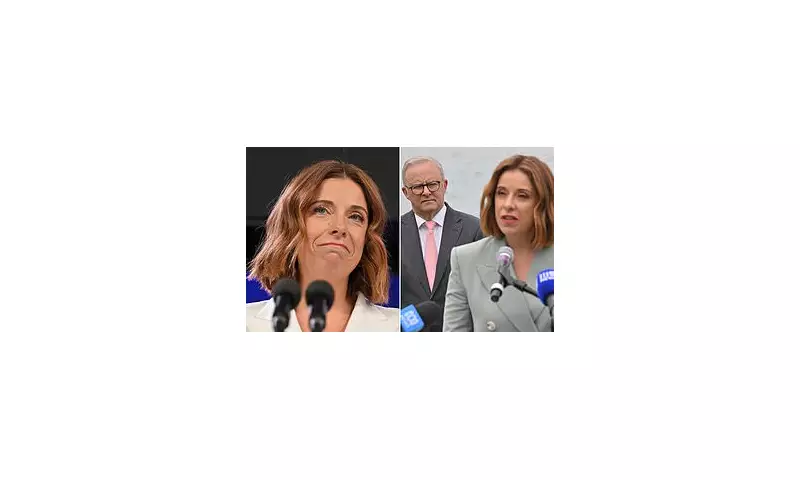
Labour minister Anika Wells is facing mounting pressure to resign, not merely over questions surrounding a taxpayer-funded trip to Adelaide, but for a fundamental failure of accountability after reneging on a promise made to the British public on national television.
A Pregnant Pause and a Broken Promise
The controversy erupted when Wells was questioned on Sky News about an official journey to Adelaide that serendipitously overlapped with a friend's 40th birthday celebration. Asked directly if she had known about the party before booking the work trip, the minister offered a lengthy pause before claiming she did not know, but would "check the timeline" and report back.
That moment transformed the story from a simple scrutiny of travel entitlements into a test of basic ministerial integrity. Enough time has now passed for that promise to be honoured, yet instead of clarity, there has been a wall of silence. Calls have gone unreturned and questions have been batted away, replaced by what critics label a classic Canberra non-answer.

The 'Procedural Shield' of a Non-Answer
When pressed, a government spokesperson finally issued a statement: "The diary is set for official purposes. The Minister has self-referred her travel and expenditure to the Independent Parliamentary Expenses Authority (IPEA) to be audited."
This response has been widely condemned as inadequate. The claim that a ministerial diary is set for official purposes is a tautology, revealing nothing about the crucial sequence of events. The self-referral to the IPEA, meanwhile, is seen not as transparency but as a "procedural shield". It shifts the debate from whether her actions were honest and defensible to a narrow question of technical compliance with rules.
These rules exist to protect the integrity of public spending, hinging on whether work was the trip's "dominant purpose". By refusing to clarify the timeline—whether work commitments or the birthday invitation came first—Wells has actively avoided the transparency needed to settle this core question.
A Pattern of Behaviour and a Shattered Credibility
This incident is not viewed in isolation. Wells has previously faced scrutiny for using family reunion travel perks to bring her husband to major sporting events, and for a family ski holiday in Thredbo that coincided with her work schedule. This pattern feeds a perception of a politician with a keen eye for the perks of office.
The real sting, however, lies in the contempt for public scrutiny. If the timeline exonerated her, she would have shared it. Her refusal leaves two damning possibilities: either she misled the public during the live interview, or she discovered an inconvenient truth during her check and now refuses to disclose it.
Her credibility as a minister who keeps her word is shattered. As one commentator noted, politicians don't get to demand trust while practising concealment. A promise made to the nation on camera cannot be treated as an optional courtesy.
The Path Forward and Mounting Pressure
The solution is straightforward and does not require waiting months for an IPEA audit. To restore any semblance of trust, Anika Wells must simply do what she said she would: publish the timeline. She must clarify when the travel was booked and when she became aware of the birthday party.
Her ongoing silence does not conclusively prove guilt regarding the trip's primary purpose, but it undeniably confirms a contempt for scrutiny, accountability, and honouring her word. What began as a story about potential misuse of entitlements has become a far more damaging tale about a minister's failure to uphold the most basic standards of accountability expected by the British public.