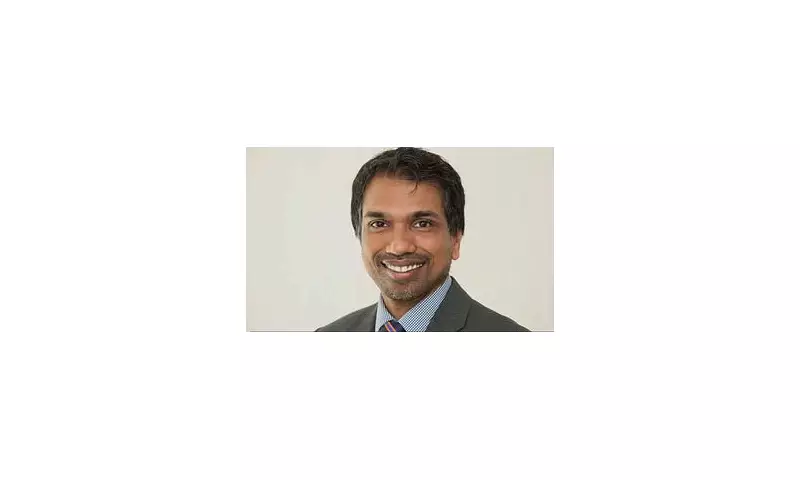
A solicitor has been removed from the legal profession after he lied about his cancer returning in order to take a week's holiday. Soham Panchamiya, who worked at the global law firm Reed Smith, has been struck off and ordered to pay £22,000 following a tribunal hearing.
The Elaborate Deception Unravels
In September 2023, Panchamiya informed his employer that his cancer had returned and that he required a week off for chemotherapy treatment. To support his claim, he submitted a falsified doctor's note to the company's human resources department. The fabricated document included detailed assertions that he was suffering from a rare form of spinal cancer.
However, HR managers quickly identified multiple inconsistencies in the note, including spelling errors and variations in font size. When confronted by his boss, Panchamiya continued to insist the medical report was authentic. His line manager then took the decisive step of contacting his doctor directly.

The doctor confirmed the report was a complete fabrication. He stated he had assessed Panchamiya only once for a fitness report and that there was no indication the solicitor had cancer. Faced with this evidence, Panchamiya finally admitted he had made a 'big mistake'. He was suspended from his role in November 2023.
Career Consequences and Personal Defence
The case was heard by the Solicitors Disciplinary Tribunal (SDT), which delivered its ruling recently. Panchamiya, who qualified as a solicitor in 2017 and joined Reed Smith in 2019, presented a defence citing personal struggles. He argued that a series of 'destabilising life events' had led to 'unrecognised mental health issues', which resulted in 'impaired emotional regulation and impulsive choices'.
The tribunal, however, was unequivocal in its judgment. It stated: 'Members of the public, notwithstanding their sympathy for his personal circumstances, would be extremely concerned that a solicitor had lied about a serious health condition in order to take leave from work, and thereafter had compounded that lie with further untrue statements, going so far as to fabricate medical evidence in support of that lie.'
A High-Profile Firm and a Costly Lie
Reed Smith is one of the world's largest corporate law firms, employing over 1,600 people globally, with around 350 based in its City of London office. The firm is known for its highly remunerated staff; partners can earn around £1.3 million a year, while newly qualified solicitors start on salaries of approximately £125,000.
The SDT's decision to strike Panchamiya off the roll of solicitors underscores the severe professional consequences of dishonesty within the legal profession. The £22,000 costs order adds a significant financial penalty to the career-ending outcome of his actions.