UK Demonstrates Rule of Law in Epstein Case as US Elite Escape Scrutiny
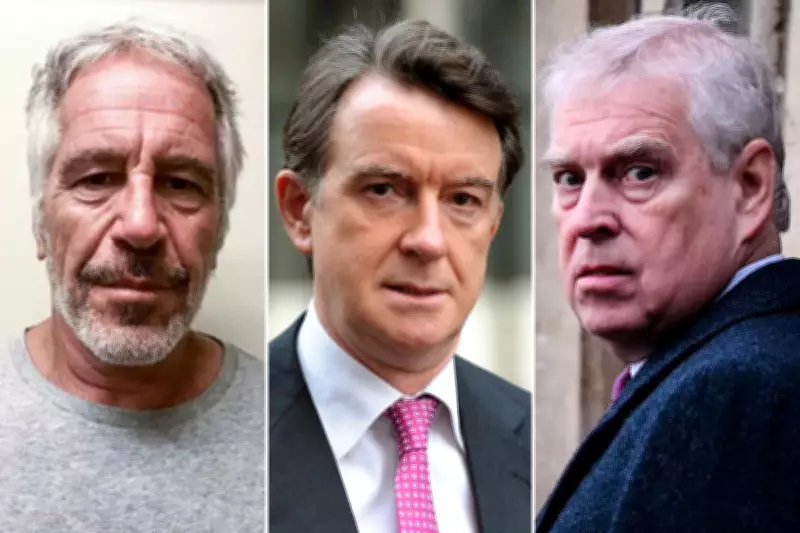
The recent arrest of Andrew Mountbatten-Windsor, formerly known as Prince Andrew, and the dismissal of Lord Peter Mandelson have created a stark transatlantic contrast in how powerful figures connected to Jeffrey Epstein are being held accountable. While the United Kingdom has taken decisive action against high-profile individuals mentioned in the Epstein files, the United States appears to be protecting its elite from similar consequences under the current administration.
A Tale of Two Justice Systems
On behalf of the eleven Jeffrey Epstein survivors I represent, we commend the United Kingdom's principled and dignified stand for the rule of law. The arrest of Andrew Mountbatten-Windsor, though specifically for alleged disclosure of trade secrets to his friend Jeffrey Epstein rather than direct involvement with victims, sends a powerful message that no one stands above legal scrutiny.
What makes this development particularly significant is the timing and context. Mountbatten-Windsor has consistently denied any wrongdoing in relation to Epstein's crimes, but his arrest demonstrates that association with the disgraced financier carries serious consequences in British society. Meanwhile, across the Atlantic, Epstein survivors have expressed little expectation of similar accountability for American figures implicated in the scandal.
The Epstein Files Reveal Systemic Protection
The release of millions of pages from the Epstein files has confirmed what survivors have maintained for decades: Epstein operated within a network of influential individuals who prioritized access to wealth and connections over reporting suspicious behavior. Photographs of prominent men adorned Epstein's residences, while he reportedly told vulnerable girls that his powerful friends would protect him if they spoke out.
These victims, predominantly from working-class backgrounds and traumatized by their experiences, faced devastating consequences including damage to their careers, personal relationships, and mental health. The tragic loss of Virginia Giuffre, one of Epstein's most vocal survivors, underscores the profound human cost of this abuse and the inadequate response from authorities.
American Justice System Fails Survivors
Early attempts by victims to seek justice in the 1990s revealed Epstein's prediction to be accurate: authorities showed little interest in their allegations. Following Epstein's controversial 2008 plea deal for soliciting an underage girl—mischaracterized as prostitution rather than abuse—the American elite continued their associations with minimal disruption.
The files now clearly document numerous high-profile individuals socializing with Epstein, traveling on his aircraft, visiting his private island, and apparently accommodating his wealth and influence. Notable names include Woody Allen, Kenneth Starr, Stephen Bannon, Deepak Chopra, Lawrence Summers, and executives from JP Morgan Bank.
Deliberate Redactions and Political Protection
Under the current administration, the Department of Justice has redacted names of individuals whose communications with Epstein raise serious concerns. One example includes an Epstein associate who wrote in 2014 about "your littlest girl" being "a little naughty," while another reference discusses "sweet young coconuts" arriving from Thailand—a term files indicate referred to girls as young as nine and ten.
No legitimate legal justification exists for concealing these identities, yet Deputy US Attorney General Todd Blanche has stated there will be no further investigations, apparently following directives to "move on" from the scandal. Congressional representative Marjorie Taylor Greene has publicly acknowledged that President Trump expressed opposition to releasing Epstein files because "his friends will get hurt."
International Contrast and Global Implications
While political figures in France, Norway, and Slovakia have faced consequences for Epstein connections, Andrew Mountbatten-Windsor represents the most globally recognized figure to experience legal repercussions. The United Kingdom's insistence that no individual stands above the law serves as an international beacon, particularly when contrasted with American practices.
The family of Virginia Giuffre captured this sentiment in their statement following Mountbatten-Windsor's arrest: "At last, today, our broken hearts have been lifted at the news that no one is above the law, not even royalty." This moment provides survivors with a glimmer of hope that accountability remains possible, even for the most powerful individuals implicated in one of history's most extensive abuse networks.