The Haunting Truth Behind Sarah Ferguson's Epstein Visits
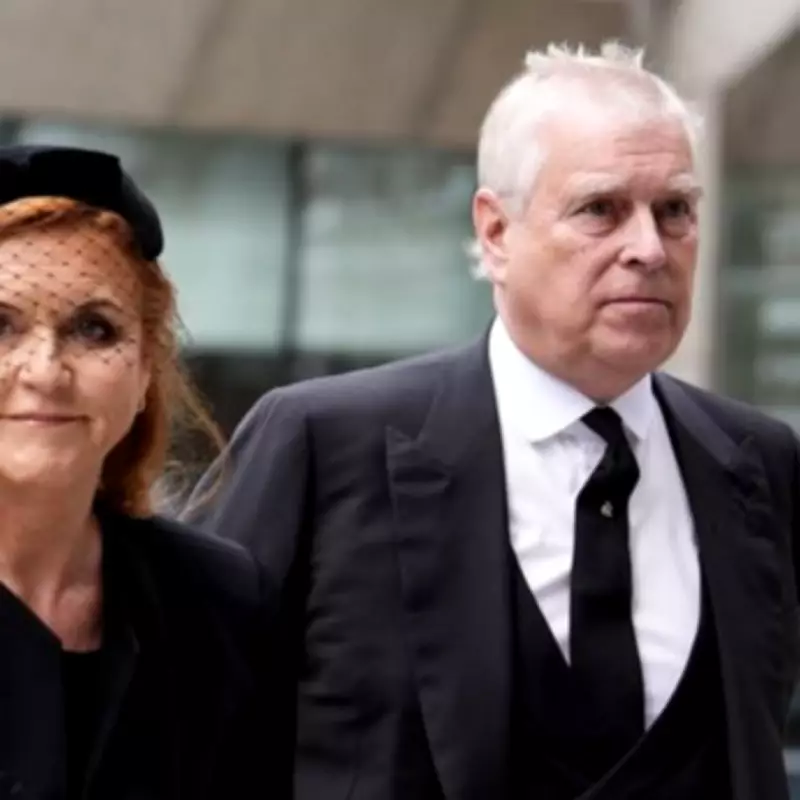
The scrutiny of Prince Andrew and Sarah Ferguson's connections to convicted sex offender Jeffrey Epstein shows no signs of abating. However, a crucial piece of this disturbing puzzle has often been overlooked: the reason Ferguson brought her daughters, Princesses Beatrice and Eugenie, to visit Epstein after his release from prison.
A Tale of Money, Access, and Class Entitlement
Their alleged correspondence with the convicted paedophile paints a sordid picture of financial dependency, social access, and entrenched class privilege. This goes beyond mere poor judgment or royal entitlement—it reveals a profound invisibility and lack of humanity toward those considered beneath them in the social hierarchy.
When Sarah Ferguson married Prince Andrew and joined the Royal Family in 1986, her bubbly personality was seen as a refreshing contrast to the formal Windsors. Yet despite not holding a royal title initially, Ferguson was cut from the same aristocratic cloth. Her father, Ronald Ferguson, served as polo manager for Prince Philip and later King Charles.
She was a childhood friend of Princess Diana, and Queen Camilla maintained close friendship with her mother, Susan. Meanwhile, Prince Andrew—the late Queen's favourite son—has never questioned his status until recent years. Stripped of royal duties and facing potential removal from the line of succession, Andrew spent 11 hours of his 66th birthday in police custody following his arrest on suspicion of misconduct in a public office.
The Class Structure That Enabled Epstein's Access
Britain's historic class structure can perplex outsiders: one can be upper-class with little wealth, or wealthy with no social acceptance from the elite. For Ferguson and Andrew, born into the highest echelons of British society, doors have always opened automatically, with their class status perpetually assured.
In America, Epstein operated within a different social framework—the myth of the American dream, where hard work supposedly leads to wealth. Without his fortune, Epstein would never have gained access to royal circles and global elites. His accomplice, Ghislaine Maxwell—daughter of media baron Robert Maxwell—provided crucial introductions to high society despite not being aristocracy herself.
The Appearance of Legitimacy and Financial Dependency
By bankrolling Ferguson and befriending Andrew alongside other elite contacts, Epstein gained something invaluable: an appearance of legitimacy. While questions persist about Epstein's wealth origins, emails allegedly sent by Ferguson to the financier suggest she had few reservations about accepting his money.
But where was the consideration for Epstein's victims? Whispers about Epstein's activities circulated for years before his 2008 conviction for trafficking a minor. Yet many elite associates, including Andrew and Ferguson, remained by his side.
The Disposable Victims and Class Divide
Epstein's victims predominantly came from lower-class backgrounds—vulnerable, impoverished individuals who were groomed, exploited, and forced to recruit others. As victim Virginia Giuffre noted in her memoir, Epstein's "key requirement was vulnerability." Many victims were far from home without support systems.
Charity Hope For Justice explains that vulnerability attracts human traffickers by making control easier to establish and maintain. Throughout the Epstein files, one impression persists: these working-class women and girls were treated as entirely disposable.
Giuffre, one of Epstein's most prominent victims, believed she would die as his servant. In her memoir Nobody's Girl, published months after her suicide at age 41, she wrote: "In my years with them, they lent me out to scores of wealthy, powerful people... I was habitually used and humiliated—and in some instances, choked, beaten, and bloodied. I believed that I might die a sex slave."
Patterns of Entitlement and Mistreatment
While Andrew denies wrongdoing regarding sexual assault allegations, much has been documented about his alleged treatment of subordinates. The King's brother has been described as arrogant and routinely rude, reportedly bullying staff and even his younger brother Prince Edward.
A former equerry of the Queen Mother claimed Andrew's catchphrase was "Do it!" barked at aides—a stark contrast to how other royals treat employees. He allegedly forced maids to climb four flights of stairs to open his curtains and banished staff for minor physical features or clothing choices.
Royal author Tom Quinn describes Andrew as a "classic school bully," while Andrew Lownie's book Entitled claims he reacted badly to improper titles or lack of bows. Ferguson's treatment of staff has also been criticized as deeply unprofessional, with reports of her oscillating between over-familiarity and harshness.
The Final Haunting Revelation
On one occasion, Epstein gave Ferguson £15,000 to settle a debt with a former staff member to whom she allegedly owed £78,000 in unpaid wages. From lavish parties to massive debts and freebie holidays, Ferguson seemingly believed she deserved the high life regardless of affordability—and appeared content to let Epstein pay, even after knowing his conviction.
Class remains the defining factor in this story: the working-class women and girls who suffered most were routinely viewed as less important, less human, and interchangeable by Epstein and his elite circle. That Ferguson allegedly visited Epstein to "celebrate" his release from prison—with her then 20- and 19-year-old daughters in tow—speaks volumes.
The haunting truth is that she didn't consider Epstein a threat to her daughters despite his conviction, because princesses were never his prey. This stark class divide reveals how entitlement and social status blinded the elite to the suffering of those they considered beneath them.