Taxpayers Foot £90 Million Bill for Public Sector Union Activities
Startling new statistics have exposed that nearly 15,000 public sector employees were granted paid leave to work as trade union representatives last year, with the total cost to taxpayers reaching approximately £90 million. This arrangement, known as 'facility time', allows staff to receive their regular wages while engaging in union business, including organizing industrial action.
Widespread Practice Across Public Services
Of more than 20,000 union representatives embedded within public organizations, 14,976 individuals—representing 74 percent—benefited from paid leave to conduct union activities. Most concerningly, 2,258 of these representatives dedicated over half their working hours to union matters rather than public service delivery, with nearly 1,000 spending their entire working time on union causes.
The analysis reveals this practice spans multiple sectors:

- National Health Service: £19 million was allocated for 2,978 staff members to participate in union work, including 305 who spent more than half their time on union business and 172 who worked exclusively for union interests.
- Local Councils: £29.4 million was spent, with over 3,000 council workers receiving paid leave for union activities, including 631 who devoted more than half their time and nearly 500 who worked full-time for unions.
- Whitehall Departments: £13.8 million funded facility time for more than 3,600 civil servants, with 1,065 spending over 50 percent of their hours on union business.
Political Controversy and Policy Changes
Critics argue that the Labour government has effectively allowed union 'paymasters' to dominate public institutions through these arrangements. Former Conservative Health Secretary Steve Barclay stated: 'NHS funds should be focused on improving patient care, but instead mismanagement like this is why taxes are going up to a record high.'
Former Tory leader Sir Iain Duncan Smith added: 'This Labour government is in hoc to the unions. They're their paymasters. So everything is going to get worse because people like Angela Rayner believe in all this rubbish.'
The controversy has intensified following Labour's Employment Rights Bill, which gained Royal Assent in December and has watered down previous restrictions on facility time. The legislation removes requirements for public bodies to record taxpayer costs for union activities and essentially permits union representatives to determine their own facility time usage.
Specific Case: Birmingham Council's £1.1 Million Expenditure
Labour-run Birmingham City Council spent £1.1 million on facility time last year while simultaneously declaring bankruptcy and increasing council tax by 20 percent. Thirty-one council staff worked exclusively on union business during this period, with some officials affiliated to Unite—the union orchestrating ongoing bin collection strikes that have plagued the city since January last year.
The dispute has resulted in thousands of tonnes of accumulated rubbish, with residents reporting 'rats as big as cats' scavenging through waste. Despite ministers urging refuse workers to accept council offers, government figures have been reluctant to publicly condemn the union's actions.
Broader Implications for Public Services
John O'Connell, chief executive of the TaxPayers' Alliance, commented: 'Taxpayers have long been livid about the extent to which trade unions have taken over public sector bodies, with most organisations putting paid-up union employees on the pay roll.'
The facility time arrangements have directly supported strike actions that have disrupted essential services:

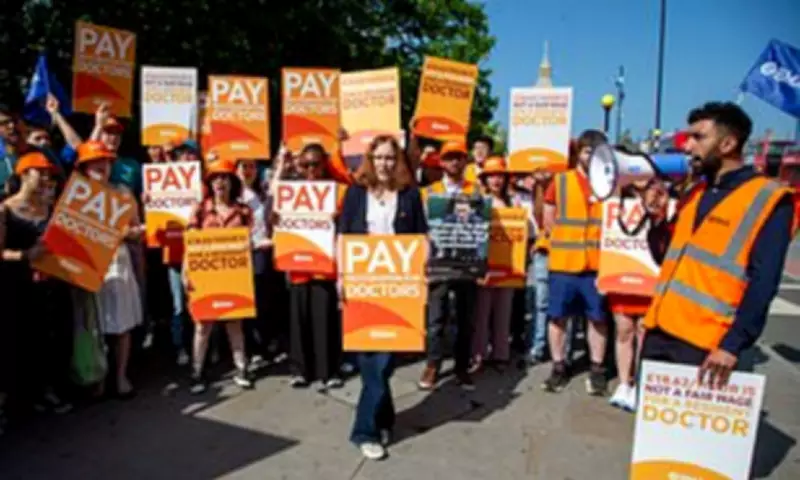
- Resident doctors' walkouts organized by the British Medical Association have cost the NHS at least £250 million, with projections suggesting this could exceed £1 billion if strikes continue.
- HM Revenue and Customs strikes orchestrated by the PCS union caused significant delays in tax refunds and customer service operations.
- Bin collection strikes by Unite continue to affect Birmingham residents, creating public health concerns and environmental issues.
Since Labour's election victory in July 2024, over 800,000 working days have been lost to strike action across both private and public sectors. The government's new legislation also repeals the minimum 50 percent turnout requirement for strike ballots introduced under the Conservatives, potentially making future industrial action easier to organize.
Dr Tom Dolphin, chair of the BMA council, defended the practice: 'Facility time is an essential part of a well-functioning workplace. It empowers reps from the BMA and other unions, all hard-working NHS staff, to support their colleagues by sorting workplace disputes, identifying errors of management and protecting patient safety.'
A Government Spokesperson responded: 'We are investing record levels into our NHS to cut waiting lists and get patients seen on time, with more doctors and nurses on the front line. As a proportion of pay, these costs are in line with previous years.'