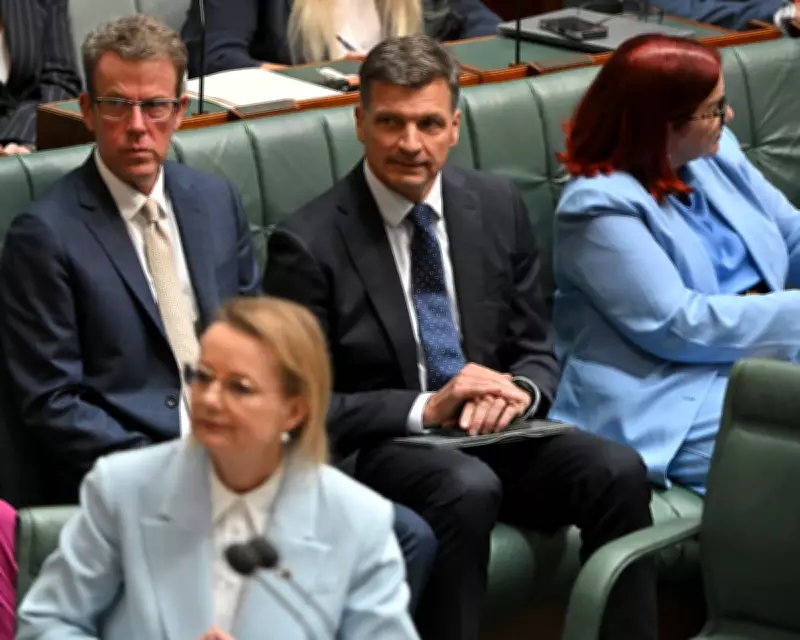
Senior figures within the Liberal Party of Australia are reportedly engaged in a quiet but significant contest for future leadership, with Angus Taylor and Sussan Ley emerging as prominent potential successors to current leader Peter Dutton. This development follows a period of internal reflection after the party's recent electoral challenges, highlighting a strategic push to rejuvenate its public image and policy platform ahead of the next federal election.
Internal Dynamics and Leadership Speculation
According to sources close to the party, both Angus Taylor, the shadow treasurer, and Sussan Ley, the deputy leader, have been actively consolidating support among their parliamentary colleagues. While no formal challenge is imminent, the discussions underscore a growing sentiment that the Liberals must address voter concerns on economic management and social issues to regain political momentum. The leadership speculation has intensified amid ongoing debates about the party's direction post-election, with some members advocating for a more moderate stance to appeal to a broader electorate.
Background and Political Careers
Angus Taylor, a former energy minister, is known for his strong advocacy on economic and energy policies, often emphasising fiscal responsibility and market-driven solutions. His experience in key portfolios has positioned him as a formidable contender, particularly among conservative factions within the party. On the other hand, Sussan Ley, who has served in various ministerial roles including environment and education, brings a focus on regional issues and social policy, appealing to moderates and female voters. Both politicians have extensive parliamentary experience, having been elected in 2013 and 2001 respectively, and have built reputations as effective communicators and campaigners.
Implications for Party Strategy
The potential leadership tussle between Taylor and Ley reflects deeper divisions within the Liberal Party regarding its future trajectory. Some analysts suggest that a shift in leadership could signal a move towards more centrist policies, especially on climate change and social equity, areas where the party has faced criticism. However, others caution that any change must balance the demands of the party's base with the need to attract swing voters in urban and suburban seats. The outcome of this internal maneuvering could significantly influence the Liberals' approach to upcoming state and federal elections, with implications for coalition dynamics and opposition tactics.
As the Liberal Party navigates this period of transition, the focus remains on unity and effective governance. Both Angus Taylor and Sussan Ley have publicly expressed their commitment to supporting Peter Dutton's leadership while preparing for future opportunities. The coming months are likely to see increased scrutiny of their policy positions and public performances, as the party seeks to rebuild and redefine its identity in Australian politics.