Antonia Romeo's Appointment Ignites 'Woke' Controversy in Civil Service
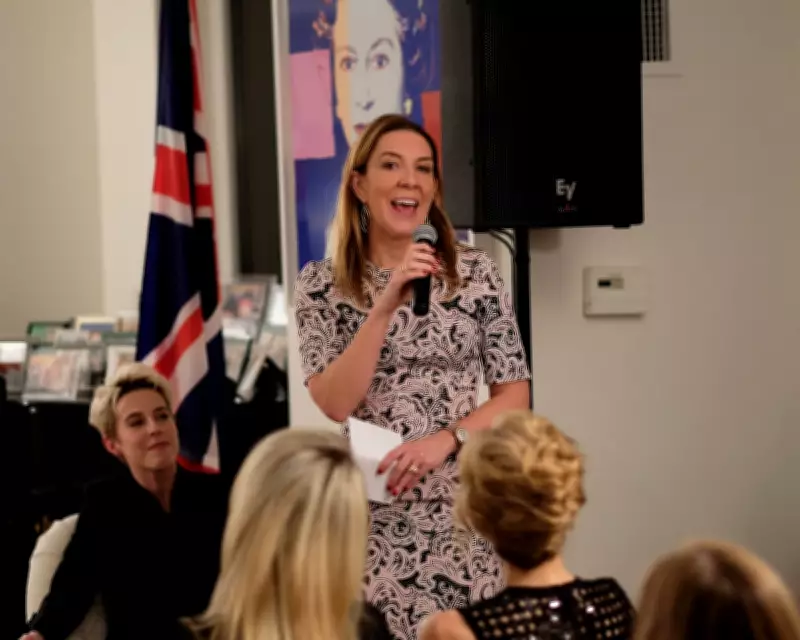
Antonia Romeo is poised to make history as the first female cabinet secretary, but her impending appointment has stirred significant controversy among conservative commentators. They have dubbed her the "queen of woke," a label that raises questions about the meaning and application of the term in modern political discourse. This debate highlights broader tensions within the civil service and the evolving nature of wokeness in public life.
The Origins of the 'Woke' Label and Its Political Weaponisation
The term "woke" originated in the 1930s among African American civil rights activists, signifying an awareness of racial prejudice and structural discrimination. Over time, it expanded to encompass various social justice issues, but in recent years, it has been co-opted and diluted by political actors. Conservatives often use it as a catch-all critique of progressive policies, from workplace diversity initiatives to environmental concerns, without clear definitions.
In the civil service, actions such as respecting pronouns, allowing sick leave, or supporting home working have been branded as woke by figures like Jacob Rees-Mogg and Nigel Farage. This vague opposition confects a battle against perceived liberalism, framed as common sense without requiring logical justification. The case of Antonia Romeo illustrates how the label can be applied broadly, potentially to anyone in public service, regardless of their actual beliefs or actions.

Antonia Romeo's Career and the Inconsistencies of 'Woke' Accusations
Antonia Romeo has held high-ranking positions under multiple governments, including those of David Cameron, Theresa May, Boris Johnson, and Rishi Sunak. This career trajectory complicates the narrative of her as a "queen of woke." Cameron, for instance, was sometimes seen as woke due to environmental stances and remarks about social liberalism, while May addressed mental health thoughtfully. In contrast, Johnson and Sunak have openly opposed wokeness, raising questions about how Romeo could thrive in such administrations unless viewed as a double agent.
The lack of specificity in woke accusations means it can target individuals, institutions, or even policies accommodating disabilities, such as SEN certificates or PIP payments. This broad application renders the term nearly meaningless, as noted by Gen Z, who often use it ironically to neutralise its impact. Ultimately, avoiding the woke label requires active anti-woke stances, perpetuating a forever war in political rhetoric.
The Broader Implications for Civil Service and Political Discourse
The controversy surrounding Antonia Romeo underscores deeper issues in how wokeness is weaponised to critique the civil service. Figures like Liz Truss have exaggerated claims, comparing civil servants to radicalised activists, but this view remains fringe. The civil service's role in implementing government policies, regardless of political leaning, makes it a frequent target for woke accusations, but this risks undermining public trust in impartial institutions.
As the definition of woke continues to blur, its use as a political tool may dilute meaningful discussions on social justice. The appointment of Romeo, regardless of labels, represents a milestone for gender equality in leadership, yet it is overshadowed by semantic debates. Moving forward, a more nuanced understanding of terms like woke could foster productive dialogue rather than divisive rhetoric.