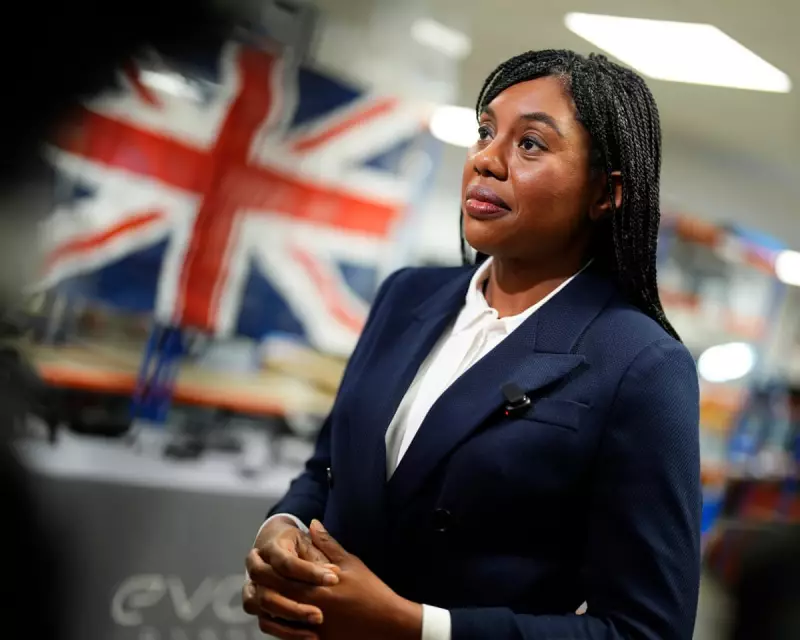
Senior Conservative figure Kemi Badenoch has been accused of deploying "very dangerous" language and spreading misinformation after controversially linking violence against women and girls to migrants from cultures that "don't respect women." The row erupted on the same day the government unveiled a landmark strategy to tackle what it calls a "national emergency."
A Landmark Strategy Unveiled Amid Controversy
On Thursday, safeguarding minister Jess Phillips presented the government's long-awaited strategy to the House of Commons. The plan aims to make tackling violence against women and girls a priority across national and local government, the criminal justice system, and the voluntary sector—a first of its kind approach.
Phillips committed to halving these crimes within a decade, stating the strategy sets the nation on that critical journey. The plan focuses on preventing the radicalisation of young men, stopping abusers, and supporting victims.

Badenoch's Comments Ignite Fury
In response to the strategy, which includes measures to tackle misogyny in schools, Badenoch suggested such educational efforts were only being rolled out because "some people in Labour" watched a Netflix drama. She argued the focus should instead be on "people, who come from cultures that don't respect women, coming into our country."
Badenoch claimed it is "not 11-year-old boys in school who are perpetrating violence against women and girls," and called for police on the streets and for stopping migrants from certain cultures entering the UK. She also demanded foreign criminals be removed immediately after committing offences.
Charities and Experts Condemn 'Dangerous' Rhetoric
Ghadah Alnasseri, co-executive director of the charity Imkaan, which supports ethnic minority women, said Badenoch's language could make migrant women less safe. Alnasseri pointed to recent racially aggravated attacks and stated that most victims know their abuser.
"Her rhetoric is very dangerous," Alnasseri said. "It's deeply inaccurate, it's misinformation and it's spreading racism." She explained that some charities have had to remove signage to avoid attacks, forcing women to seek help discreetly.
Shadow Home Office minister Katie Lam echoed the sentiment, using her Commons response time to question if immigration exacerbated the problem, stating not all cultures believe in gender equality. Phillips countered, stressing that violence occurs in every community and that most data involves UK-born individuals abusing other UK-born individuals.
Andrea Simon, director of the End Violence Against Women coalition, emphasised that gendered violence is "not an imported problem" and accused politicians of point-scoring. She urged leaders to educate the public on the reality that most sexual violence is perpetrated by someone known to the victim.
The Political Fallout and Wider Implications
The incident highlights a deepening political divide on how to address systemic violence against women. Critics argue that Badenoch's comments risk stigmatising entire communities and diverting attention from the pervasive, home-grown nature of misogyny and abuse.
The controversy now casts a shadow over the launch of a strategy intended to unify national efforts, demonstrating the challenges in addressing a societal crisis within a highly charged political landscape.