The Kidnapping of Nada Itrab: A Nine-Month Ordeal in Bolivia
On 27 August 2013, a bright nine-year-old girl named Nada Itrab boarded an overnight coach in Barcelona, Spain. With her long, well-brushed hair and a notebook in hand, she was excited for what she believed was a reward trip to Bolivia for her excellent schoolwork. Accompanied by her neighbour, Grover Morales, a Bolivian man in his mid-30s, Nada thought they would return in a week. Her parents had signed a notarised document permitting the journey, trusting Morales, who had a saintly reputation in their poor neighbourhood of La Florida.
However, this trip was not an adventure. It was the beginning of a harrowing nine-month kidnapping that would see Nada taken from Spain to Bolivia, where she was subjected to abuse, forced labour, and captivity in the rainforest. Security camera footage from Barajas airport in Madrid captures the heartbreaking moment Nada, in her spotty dress, lined up with Morales to board the plane. Little did she know, she was stepping into a nightmare.
From Barcelona to the Bolivian Rainforest
Upon arrival in Santa Cruz de la Sierra, Bolivia, Nada quickly realised she had been tricked. Morales claimed her passport was lost, forcing them to stay longer. They moved to his brother's ramshackle home in Cochabamba, where Nada faced abuse and was kept under close watch. Unbeknownst to her, her parents had reported her missing, sparking a police hunt across two continents.
When Morales learned police were after him, he smashed his phone and fled with Nada deeper into Bolivia. They hitchhiked to rural areas, eventually ending up in Villa Unión, where Nada was forced to work on a farm from dawn to dusk, clearing fields with a machete. She learned to fish, make fire, and deal with snakes, all while wearing only rubber sandals. Morales became increasingly violent, raping her and even striking her foot with a machete, leaving a permanent scar.
The Rescue Operation in the Rainforest
Back in Spain, Lieutenant José Miguel Hidalgo of the Civil Guard led the investigation. He discovered Morales had fled to Spain in 2005 to avoid trial for raping two half-sisters in Bolivia. After months of bureaucratic delays, Hidalgo and a colleague finally reached Bolivia in January 2014, but they missed Nada by 24 hours as Morales had taken her deeper into the rainforest.
Nada was now in a coca-cultivating village in Carrasco National Park, a remote area where police rarely ventured. She worked picking coca leaves, stashing away small sums of money in hopes of buying a ticket home. In March 2014, after negotiating with local coca growers, Hidalgo arranged a rescue. Farmers captured Morales, and helicopters were sent to extract Nada. She was found wearing a bright blue headscarf, her skin blistered with mosquito bites.
Return to Spain and a New Life
Nada was flown back to Spain on 17 March 2014, seven months after her kidnapping. At age ten, she was placed in the care of the Catalan regional government, as her parents were investigated for allegedly risking her life. Morales was later sentenced to 17 years in prison for child trafficking and sexual abuse, while her parents received suspended sentences for abandonment.
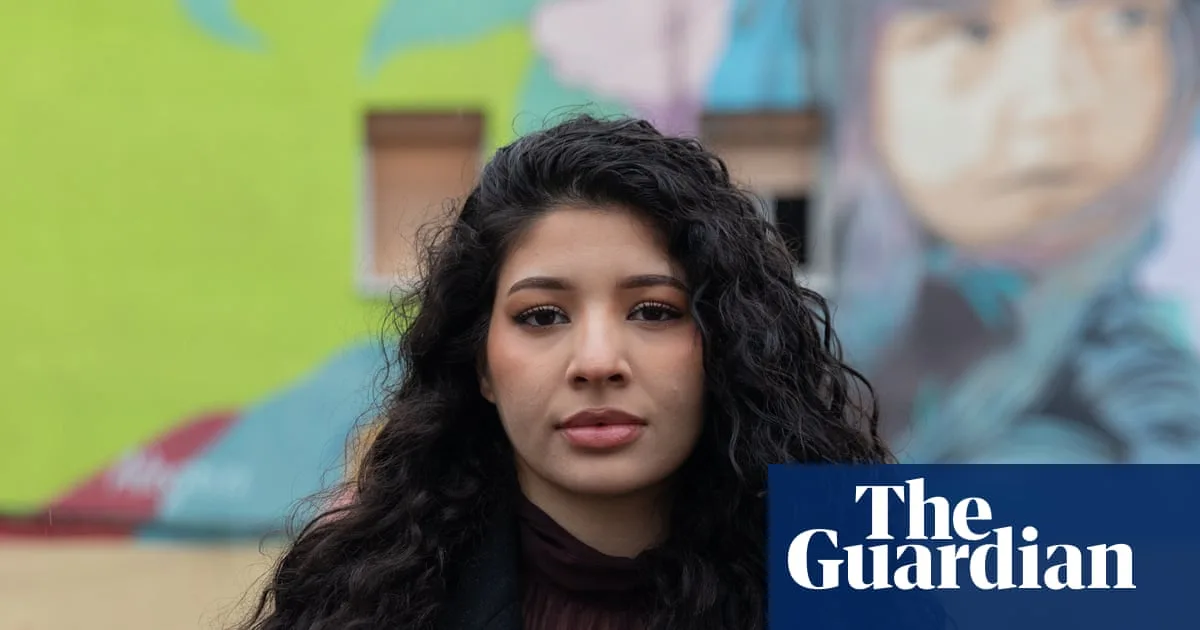
Now 21, Nada is a serious, hard-working law student at Barcelona University. She has chosen to speak publicly about her ordeal to combat the stigma and campaign against global child trafficking. With the help of journalist Neus Sala, she has gained legal residency in Spain and is pursuing advocacy work. Nada plans to sue the Catalan government for negligence and dreams of speaking at the UN about fighting child trafficking.
Overcoming Trauma and Finding Purpose
Nada's journey has been marked by resilience. She survived depression, anxiety, and suicidal thoughts after returning to her family's squat in La Florida. Her salvation came through education, where she excelled academically, winning prizes for her essays. Today, she uses her story to inspire others, forgiving her abusers as part of her healing process.
She has appeared on television shows, sharing her story with poise and eloquence, and receives emails from abused girls worldwide seeking support. Nada's determination is unwavering; she is preparing a book and documentary with Sala, while interning at a law firm and studying for her degree. Her goal is to ensure no child suffers as she did, turning her personal tragedy into a powerful force for change.