BBC Confronts Existential Threat with Major Workforce Reduction
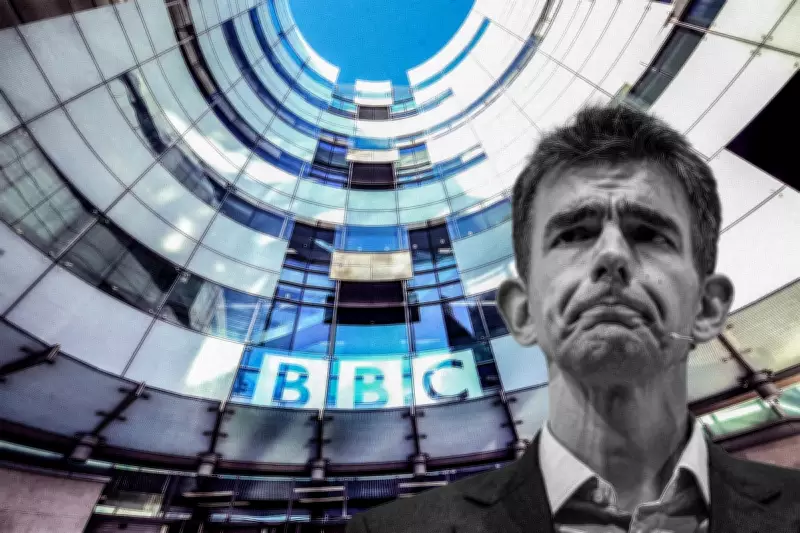
The British Broadcasting Corporation, a cornerstone of the United Kingdom's cultural and news landscape, is facing an unprecedented crisis that threatens its very existence. With the announcement of 2,000 job cuts—approximately 10 percent of its workforce—the broadcaster enters a perilous phase under new Director General Matt Brittin. These reductions, which will inevitably involve compulsory redundancies, signal a profound transformation for an institution that has long been considered as essential to British life as the National Health Service.
A Diminished Presence in a Changing Media Landscape
Despite its historical dominance, the BBC finds itself in a precarious position. Viewership and listenership have broadly declined as powerful online competitors capture public attention. Yet, paradoxically, the Corporation remains a dominant news presence in digital spaces—a testament to its ability to adapt, as evidenced by its pioneering political web pages launched during the 1997 general election. This digital success proves the BBC can evolve, but the current financial and ideological pressures present far greater challenges.
The broadcaster's funding model, centered on the licence fee, faces intense scrutiny. Licence fee payers increasingly resent the cost amid a severe cost-of-living crisis, questioning whether the BBC's high salaries and lavish perks for top talent and management can be justified. Furthermore, external threats loom large: Nigel Farage and Reform UK have explicitly targeted the BBC for destruction, aligning it with other cherished institutions under attack from the hard right.

The Search for Purpose in a New Era
At the heart of the BBC's troubles lies a fundamental question: What is the BBC for? The traditional Reithian values—to inform, educate, and entertain—no longer suffice in a fragmented media environment. The Corporation must now define how it will fulfill these roles, both in content and delivery. Critical issues demand answers: Should the BBC prioritize local news coverage? Which sporting events should it broadcast? How can it maximize platforms like iPlayer and potential partnerships with giants like YouTube?
Additional concerns include the proper taxpayer funding for the World Service and free pensioners' licences, whether the BBC adequately reflects society, its role in children's entertainment, and identifying services the private sector cannot provide. These are not mere operational questions but existential ones that will determine the BBC's survival.
Leadership and Public Confidence
The job cuts, while painful, may be necessary to align the BBC with commercial realities. However, there is a genuine risk that reduced coverage and output quality will weaken the bond between the national broadcaster and the public, creating a vicious cycle of decline. To avoid this, strong leadership is essential. Culture Secretary Lisa Nandy has taken steps to support the BBC's journalism and end the disruptive seven-year charter renewal cycle, providing much-needed stability.
Ultimately, the responsibility falls to Matt Brittin and his team to articulate a clear vision for the BBC's future. Through both words and actions, they must demonstrate what the Corporation stands for in the 21st century. Perhaps, as suggested, a documentary series—akin to David Dimbleby's exploration of the monarchy—could help the public engage with these critical questions. The BBC's survival depends not just on financial restructuring but on rediscovering its core purpose and rebuilding public trust.