Church of England General Synod Halts Work on LGBTQ+ Equality
The Church of England's ruling body, the General Synod, has dealt a significant blow to progressive Christians by voting to halt all work on LGBTQ+ equality. At a meeting in London, the synod backed a document from bishops concluding that consensus between conservative and liberal factions within the church could not be reached, effectively putting the issue in deep freeze until a new synod is elected.
Vote and Immediate Consequences
Synod members supported a proposal by bishops to suspend the Living in Love and Faith (LLF) process by 252 votes to 132, with 21 abstentions. This decision ends three years of work aimed at allowing clergy to conduct special services to bless same-sex couples in civil marriages. The prohibition on clergy being married in civil ceremonies to same-sex partners will remain in place, leaving many LGBTQ+ advocates feeling betrayed and wounded.
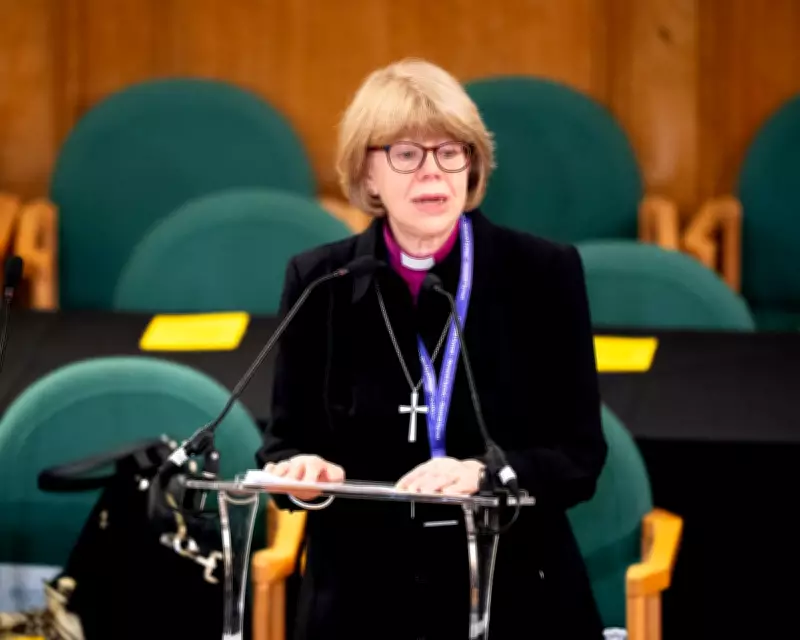
Sarah Mullally, the Archbishop of Canterbury, acknowledged that the LLF process had "left us wounded as individuals and a church" but described the bishops' proposals as a "sensible way forward" to navigate the deadlock. However, during a five-hour debate, numerous synod members voiced their pain and anger. Charlie Bączyk-Bell, a London priest campaigning for LGBTQ+ equality, expressed heartbreak, questioning, "How dare you and how dare we come again to lament and recognise distress and pain while we continue to inflict it?"
Personal Stories and Financial Costs
Claire Robson, a priest in Newcastle, highlighted the personal toll, noting that due to her age, she is unlikely to marry her same-sex partner before any future changes. She stated, "The changes we long for will be too late for many of us," and revealed that while the LLF process cost £1.6 million, the emotional and ministerial impact on LGBTQ+ individuals is incalculable. Stephen Cottrell, the Archbishop of York, who proposed the motion, admitted, "This is not where I want us to be and not where we hoped we would be three years ago," acknowledging widespread anger and disappointment across theological lines.
Broader Anglican Context and Future Steps
The issue of sexuality and same-sex marriage has brought the Anglican church close to schism in recent years. After over a decade of debate, the synod decided in early 2023 not to support same-sex weddings in church but allowed blessings for gay couples within regular services. This prompted some church leaders in countries like South Sudan, Uganda, and the Democratic Republic of the Congo to reject Justin Welby as head of the global church. In July 2024, the C of E evangelical council announced plans for a parallel province, condemning same-sex blessings as contrary to biblical teaching.
Despite the halt, a new working group on "relationships, sexuality and gender" will be established for continuing work, a move criticized by some as repetitive. Vicky Brett, a lay synod member, likened it to insanity, "doing the same thing over and over again expecting a different result." Campaigners report anecdotal evidence of LGBTQ+ Christians leaving the Church of England, feeling unwelcome, while some clergy defy hierarchy to offer stand-alone blessing services, seen as de facto weddings without legal standing.