Coalition Intensifies Scrutiny of Labor Government's Economic Management
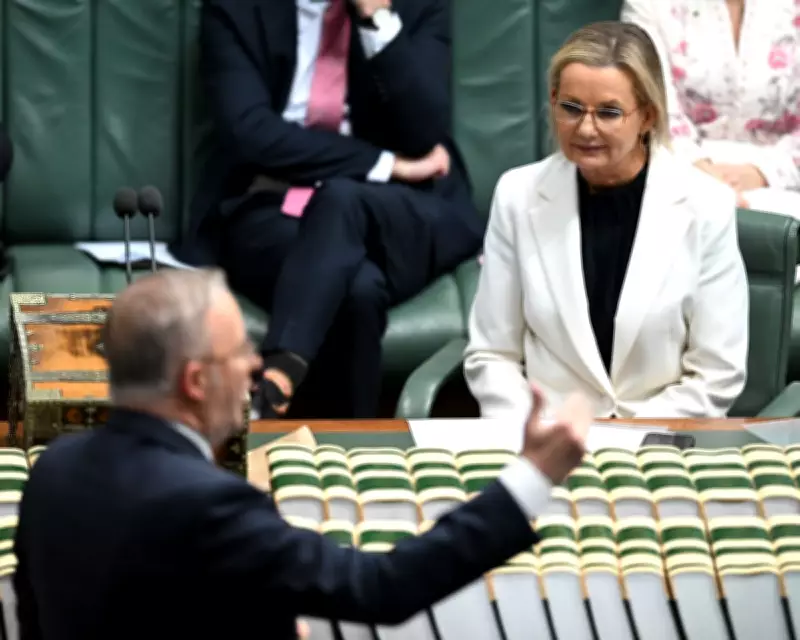
In a significant political development, the Coalition opposition is capitalising on a strategic opportunity to hold the Albanese Labor government to account on critical policy areas, particularly concerning economic management and fiscal transparency. Senior figures within the opposition, including Deputy Liberal Leader Sussan Ley and Nationals Leader David Littleproud, have launched a concerted effort to challenge the government's handling of key issues, signalling heightened political tensions in Canberra.
Focus on Interest Rates and Budget Estimates
The Coalition's campaign centres on two primary fronts: the government's response to rising interest rates and the accuracy of its budget estimates. Sussan Ley has been vocal in criticising the Albanese administration for what she describes as a failure to adequately address the economic pressures facing Australian households, especially in light of recent interest rate hikes. She argues that Labor's policies have contributed to inflationary pressures, thereby exacerbating the cost-of-living crisis.
Simultaneously, David Littleproud and other Nationals members are focusing on budget estimates, questioning the reliability and transparency of the government's financial projections. They allege that Labor has been overly optimistic in its economic forecasts, potentially misleading the public about the state of the nation's finances. This scrutiny is part of a broader effort to undermine confidence in the government's economic competence.

Political Dynamics and Strategic Moves
The opposition's push comes at a time when the Albanese government is navigating a complex political landscape, with internal divisions and external challenges. The Coalition sees this as a prime chance to regain political momentum by highlighting perceived weaknesses in Labor's governance. By focusing on economic issues, they aim to resonate with voters who are increasingly concerned about financial stability and government accountability.
Moreover, the involvement of both Liberal and National party leaders underscores a unified front within the Coalition, despite occasional internal disagreements. This coordinated approach is designed to maximise pressure on the government, forcing it to defend its policies in public forums and parliamentary debates.
Implications for Policy and Public Perception
If successful, the Coalition's accountability drive could have far-reaching implications. It may force the Labor government to recalibrate its economic strategies, potentially leading to policy adjustments aimed at mitigating criticism. Additionally, sustained scrutiny could erode public trust in the Albanese administration, influencing voter sentiment ahead of future elections.
However, the government has pushed back, accusing the opposition of engaging in political point-scoring rather than offering constructive solutions. Labor officials argue that their economic policies are sound and that they are taking necessary steps to address global challenges, such as inflation and supply chain disruptions.
As the political battle intensifies, observers note that this confrontation reflects deeper ideological divides between the major parties. The Coalition's emphasis on fiscal conservatism and market-driven solutions contrasts with Labor's focus on social welfare and government intervention, setting the stage for ongoing debates over Australia's economic direction.
In summary, the Coalition's aggressive stance on holding Labor to account marks a pivotal moment in Australian politics, with both sides digging in for a protracted struggle over economic policy and governance credibility. The outcome of this clash will likely shape the political narrative in the coming months, influencing everything from budget discussions to electoral strategies.