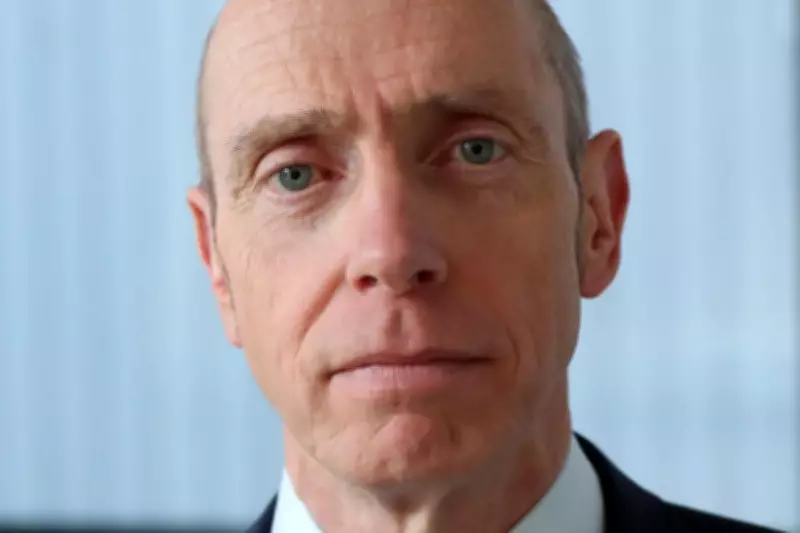
Northern Ireland's Commissioner for Victims and Survivors, Joe McVey, has strongly criticised what he describes as the unhelpful practice of "playing" Troubles victims off against military veterans. During an appearance before the Assembly's Executive Office Committee on Wednesday, McVey emphasised that all individuals affected by the conflict require support and protection, regardless of their background or role.
Funding Crisis Looming for Victims Services
Mr McVey expressed significant concern about the financial future of services supporting victims and survivors. He highlighted several impending deadlines that threaten to create a "cliff edge" in funding. The PeacePlus programme is scheduled to conclude at the end of 2027, while the Victims and Survivors Service (VSS) funding programme faces a crucial decision in March. Additionally, the Victims Payment Board will soon close to new applications.
"It creates an air of uncertainty around the key infrastructure organisations," McVey told MLAs, describing the upcoming period as a "difficult funding phase" for both victims and the groups that assist them. He appealed to the Executive to begin planning immediately to avoid a crisis, rather than waiting until the last moment.
The Human Cost of the Troubles
The Commissioner provided stark statistics about the lasting impact of the conflict. More than 3,720 people lost their lives during the Troubles, with over 100,000 physically injured and approximately 200,000 suffering mental or psychological damage. McVey stressed that these consequences remain "still as real today as they were many years ago for individuals, communities and ourselves as a society."
He noted that roughly one in five people in Northern Ireland consider themselves victims or survivors, making it impossible to achieve genuine peace and prosperity without properly addressing their needs. McVey also called for greater efforts to educate young people about the past to prevent history from repeating and to address inter-generational trauma.
Concerns About Divisive Rhetoric
A central theme of McVey's testimony was his concern about rhetoric that pits veterans against other victims. "We represent the broad church of victims and survivors, and that includes veterans," he explained. "One of our concerns is the whole debate has almost set up veterans vs victims, and vice versa, and I don't think that is helpful debate."
He continued, "I think all victims and survivors need support and protections, and I think the way it has been played out is almost playing one against the other, and I don't think that's helpful." This commentary comes amid ongoing discussions about the Troubles Bill progressing at Westminster, which will replace the controversial Legacy Act introduced by the previous government.
Definition of a Victim Remains Contentious
When questioned by MLAs about the current definition of a victim—which includes both those not involved in violence and those killed or injured while actively engaged in violence—McVey stated that determining this definition is ultimately a matter for politicians to resolve. He offered a cautious welcome to the Troubles Bill but emphasised that substantial additional work is required to ensure it adequately serves all affected parties.
The Commissioner's remarks underscore the delicate balance needed in addressing Northern Ireland's troubled past, where competing narratives and needs must be reconciled without fostering further division. As funding deadlines approach and legislative changes unfold, McVey's call for unity and comprehensive support for all victims and survivors remains a pressing priority for policymakers.