Parliamentary Committee Urges UK Government to Officially Name Notorious IRA Mole
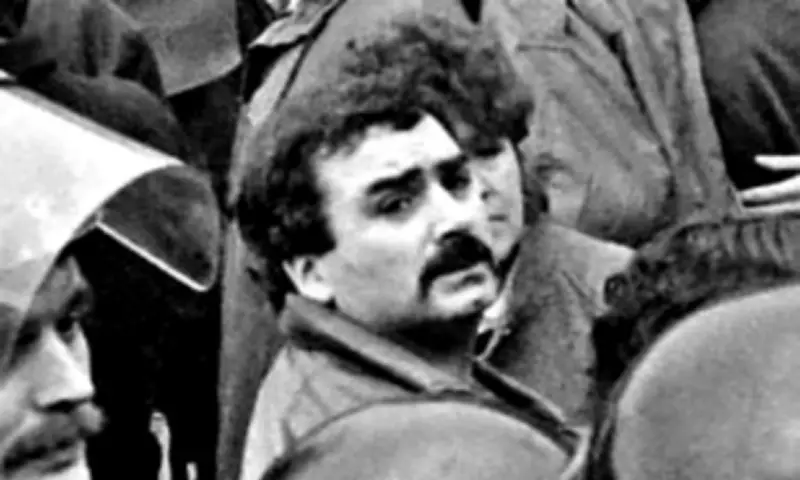
A parliamentary committee is set to demand today that the UK government officially name a former British agent linked to at least 18 murders in Northern Ireland, ending decades of secrecy. Freddie Scappaticci, who died three years ago at age 77, is widely believed to have been a secret mole inside the Irish Republican Army for over 15 years, but his double life has never been formally confirmed despite pleas from victims of Republican violence.
Operation Stakeknife and Its Controversial Legacy
Scappaticci, codenamed Stakeknife, became a paid spy in the mid-1970s as part of a UK effort to infiltrate Republican terrorist organisations. However, recent revelations indicate that the operation may have cost more lives than it saved, with Scappaticci allegedly committing a series of grotesque crimes while undercover. The Northern Ireland Committee will argue today that unveiling his identity is strongly in the public interest, calling on Northern Ireland Secretary Hilary Benn to end the mystery.
This call follows similar requests from the Chief Constable of the Police Service of Northern Ireland and the head of Operation Kenova, a £50 million, nine-year independent investigation into Stakeknife and other British intelligence agents within the IRA. Operation Kenova examined their roles in murders and kidnappings, criticising the UK government's policy of neither confirming nor denying Scappaticci's status as a British agent in its December report.
Impact on Victims and Government Accountability
The possibility that Scappaticci was protected by security forces while participating in such crimes remains a deep embarrassment to the UK government. Operation Kenova found that Scappaticci was run by MI5 and the Force Research Unit, highlighting systemic failures in agent handling. Committee chairwoman Tonia Antoniazzi emphasised that the ongoing refusal to confirm or deny Stakeknife's identity has a profound and lasting effect on victims and their families, who have endured immense suffering.
Antoniazzi stated, 'Given reassurances that active agents won't be put in harm's way and recruitment won't be compromised, formal identification in this instance is appropriate. By naming Stakeknife, the government can send a strong signal that agents who cross a line will not receive the protection of anonymity.'
Government Response and Ongoing Litigation
In response, a UK government spokesperson acknowledged that the behaviour described in Operation Kenova's report is deeply disturbing and should not have happened. The spokesperson noted significant reforms to agent handling practices in recent decades, including strict regulation overseen by the Investigatory Powers Commissioner and Tribunal. However, the government is not yet in a position to formally respond to the request to name Stakeknife due to ongoing litigation, with the Secretary of State committed to updating parliament as soon as possible.
This development underscores the complex legacy of the Troubles in Northern Ireland, where intelligence operations have left a trail of unanswered questions and unresolved grief for victims' families.