Yvette Cooper Defends PM Starmer Amid Trump and Blair Criticism
Foreign Secretary Yvette Cooper has robustly defended Prime Minister Keir Starmer's handling of recent tensions with Iran, while directly addressing criticism from both former Prime Minister Tony Blair and US President Donald Trump. Cooper emphasised that the UK government has learned crucial lessons from the Iraq War and will prioritise British national interests in all foreign policy decisions.
Blair's Reported Comments Spark Response
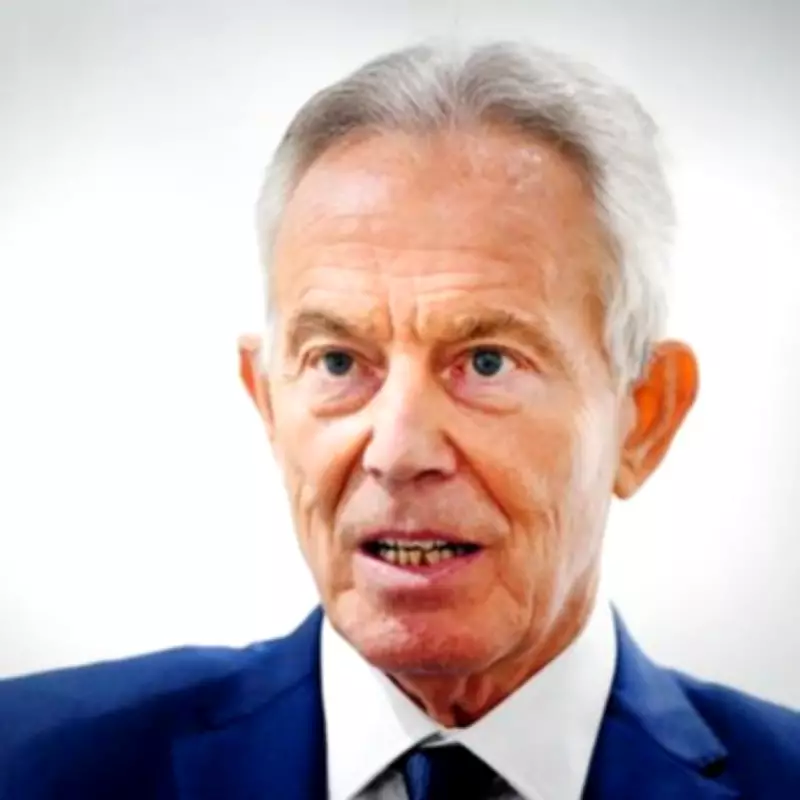
According to reports from a private event, Sir Tony Blair stated that Britain should have supported American military operations against Iran from the very beginning. The former Prime Minister reportedly told attendees: "I am not saying anything that I haven't already said to the government... I think we should have backed America from the very beginning."
When pressed about these remarks during media appearances, Cooper responded by highlighting the importance of learning from past conflicts. "I think the point is to make sure that actually we learn the lessons from some of the things that went wrong in Iraq," she told Sky News' Sunday with Trevor Phillips programme.

Trump's Social Media Outburst
The Foreign Secretary's comments came as she sought to dismiss President Donald Trump's latest social media tirade against the UK government. On his Truth Social platform, the unpredictable US leader wrote: "We don't need people that join Wars after we've already won!" He further described Britain as "our once Great Ally" and suggested his administration would remember Starmer's initial refusal to permit US strikes from British bases.
Cooper attempted to downplay the significance of Trump's online commentary, stating: "The thing I've learned doing this job is that you have to focus on substance and not on social media posts, and that's the important way to do this."
Defending Britain's Independent Foreign Policy
During an interview with the BBC's Laura Kuenssberg, Cooper articulated the government's position clearly: "I would say that this is about what's in the UK's interest. It's for the US president to decide what he thinks is in the US national interest, and that's for him to do."
She continued: "But it is our job as the UK government to decide what's in the UK national interest. And that doesn't mean simply agreeing with other countries or outsourcing our foreign policy to other countries. We have to be able to take those decisions."
The Foreign Secretary praised Starmer's approach, saying: "That's what Keir Starmer has been doing. And I think he's right to stand up for Britain and Britain's interests."
Practical Decision-Making Over Rhetoric
Cooper contrasted the current government's style with more dramatic approaches to international relations. "Keir Starmer's style of doing politics is obviously very different," she observed. "And I think that kind of calm, coolheaded approach to these big, serious international issues, I really think that is right."
She elaborated on this philosophy: "And we're not going to do things in terms of the rhetoric or hyperbole. We're going to do things on really practical, calm, steady decision making, because I think that is actually the British character more widely, to do things in a serious and steady way. That's what we're going to."
Background to the Disagreement
The diplomatic tension stems from Starmer's initial refusal to allow the United States to launch strikes against Iran from British military bases. The Prime Minister later permitted defensive strikes targeting missiles after Iran attacked British allies and RAF Akrotiri in Cyprus came under fire.
Cooper acknowledged that disagreements between allies are inevitable: "The US president has a responsibility to do what he thinks is right in the US national interest. The UK Prime Minister has the responsibility to do what he thinks is right in the UK's national interest."
She added: "That means sometimes we will disagree, and there are many areas where our security partnership remains incredibly strong, and I have seen myself the close intelligence cooperation the close military cooperation. But there will also be areas where we disagree."

The Foreign Secretary specifically mentioned previous disagreements on Greenland and the initial strikes against Iran as examples where British and American interests diverged, while maintaining that such differences are legitimate aspects of international relations.