Downing Street Unaware of Lord Doyle's Paedophile Links Before Peerage, Minister Confirms
Downing Street was not aware that Sir Keir Starmer's former communications chief had campaigned for a paedophile councillor when his peerage was announced, a government minister has stated. The revelation has ignited a political firestorm, raising serious questions about the Prime Minister's judgment and the adequacy of vetting procedures for appointments to the House of Lords.
Labour Whip Withdrawn Over Controversial Association
Lord Matthew Doyle, who served as Sir Keir Starmer's spin doctor, has had the Labour whip removed following disclosures about his connections to Sean Morton, a former Moray councillor. Morton was charged in late 2016 with possessing indecent images of children, a charge to which he later pleaded guilty. Despite this, Lord Doyle actively campaigned for Morton during his 2017 election bid as an Independent candidate.
In a public apology, Lord Doyle expressed regret for his actions, stating he had believed Morton's assertions of innocence at the time. He emphasised that his contact with Morton was "extremely limited" following the conviction and apologised "unreservedly" for supporting the councillor before the legal case had concluded.
Minister Defends No 10's Position Amid Mounting Pressure
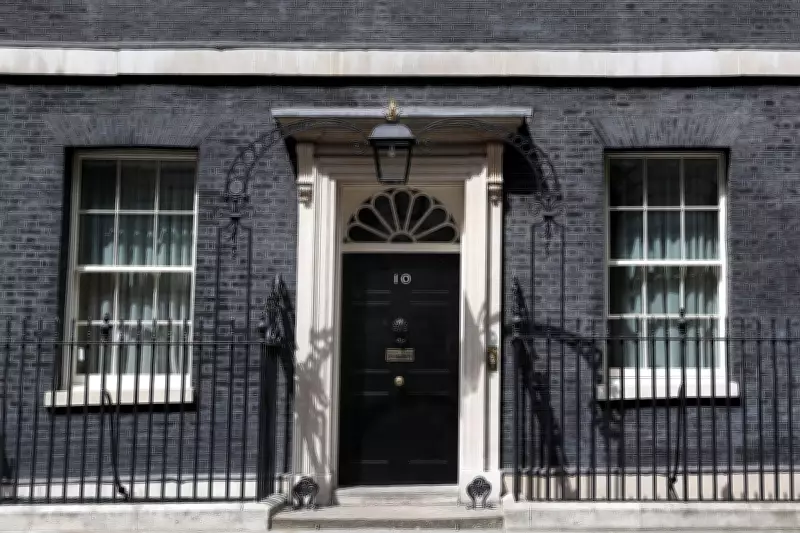
Education Minister Georgia Gould addressed the controversy during a media appearance, firmly stating that Number 10 had no prior knowledge of Lord Doyle's association with Morton when the peerage decision was made. "No 10 did not know before they made the decision to give him the peerage," Ms Gould asserted, highlighting that the announcement was made on December 10, while media reports about the connection emerged later in the month.
When challenged about the timing of The Sunday Times' report in late December, Ms Gould maintained that the Prime Minister has since reviewed the appointment with fresh scrutiny. "The Prime Minister has looked at this afresh, given the commitment that he has made to ensure the highest standards in public life," she explained, referencing Sir Keir Starmer's background in prosecuting serious crimes.
Calls for Transparency and Improved Vetting Procedures
The situation has prompted demands from opposition parties for greater transparency. Conservative leader Kemi Badenoch has called on Sir Keir to publish all vetting advice and due diligence reports that were considered before Lord Doyle's appointment to the Lords. "Keir Starmer handed a peerage to Matthew Doyle despite knowing about his ongoing friendship with a man charged with child sex crimes," Mrs Badenoch stated, adding that the Prime Minister must "come clean" about what information was available to him.
Meanwhile, Labour chairwoman Anna Turley has suggested that Lord Doyle should not retain his peerage, telling Sky News that she believes he did not provide full disclosure before his appointment. However, Ms Gould did not endorse calls to strip Lord Doyle of his peerage, instead focusing on the need for enhanced vetting processes. "Vetting has to be better," she emphasised, noting that an ongoing investigation will provide further clarity.
Political Repercussions and Ongoing Investigation
Lord Doyle's elevation to the House of Lords last month has sparked significant political backlash, with the Scottish National Party having previously objected to his peerage. The controversy underscores broader concerns about accountability and standards in public life, particularly regarding appointments to the unelected chamber.
Ms Gould confirmed that Labour has launched an investigation into the matter, stating that the party will "have more to say when that's completed." She reiterated the government's commitment to taking child abuse seriously, pointing to Sir Keir Starmer's professional history in law enforcement. "No-one is harder on themselves than the Prime Minister," she remarked, underscoring his dedication to upholding rigorous standards.
As the investigation proceeds, the focus remains on improving vetting mechanisms to prevent similar incidents in the future, ensuring that public appointments align with the highest ethical benchmarks demanded in British political life.