DWP Minister Confirms Triple Lock to Remain in Place Through This Parliament
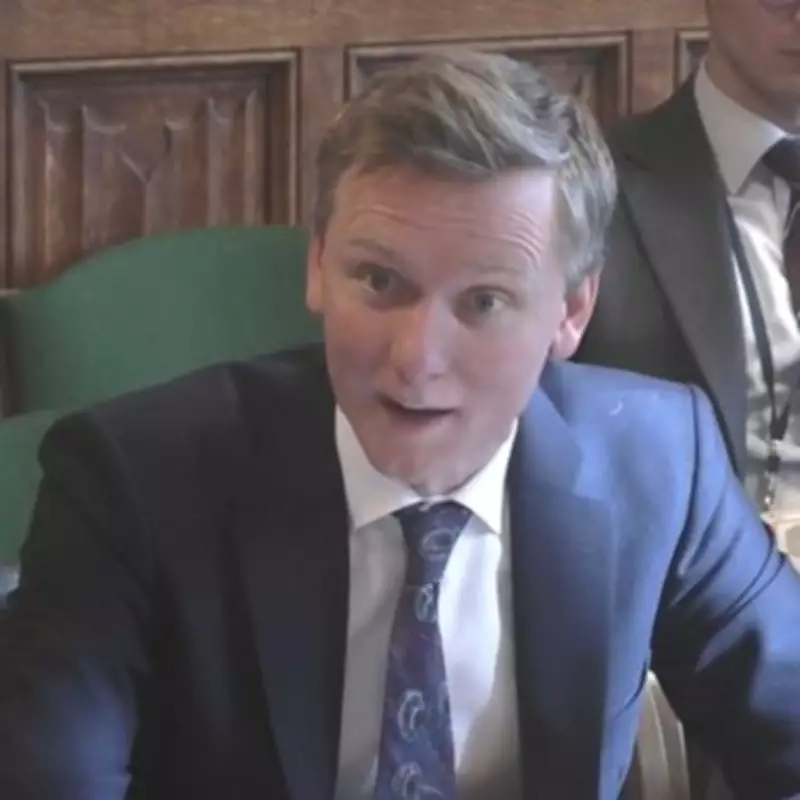
Pensions minister Torsten Bell has provided a significant update on the future of the state pension triple lock, confirming the policy will be maintained throughout the current Parliament. This commitment follows Labour's election manifesto pledge to uphold the mechanism, which guarantees annual increases in line with the highest of inflation, average earnings growth, or 2.5%.
Substantial Payment Increases Under the Triple Lock System
The triple lock has delivered substantial boosts to pensioner incomes in recent years, including a record 10.1% surge in April 2023 driven by soaring inflation. The following year saw an 8.5% increase aligned with earnings growth. From this April, payments will rise by 4.8%, elevating the full new state pension from £230.25 weekly to £241.30 weekly, equivalent to £12,548 annually. Meanwhile, the full basic state pension will increase from £176.45 weekly to £184.85 weekly, or £9,612 annually.
During questioning by the Work and Pensions Committee, Mr Bell was pressed on whether the government should continue the triple lock amid concerns about its escalating cost. He responded unequivocally: "We going to be keeping the triple lock, yes, through this Parliament." When probed about long-term policy changes, he simply stated: "A manifesto is a manifesto," referencing Labour's election promise.

Government's Revealed Objective for State Pension Levels
Mr Bell disclosed to the committee that the government has a clear objective regarding pension levels. He explained: "The Government's revealed objective is that we want to see a slightly higher level of the state pension relative to earnings, which is being delivered by the maintenance of the triple lock over the course of this Parliament. That is the £30 billion increase in state pension expenditure over the course of this Parliament."
This statement indicates a deliberate policy direction toward enhancing the state pension's value compared to earnings, facilitated by the triple lock's continuation.
Growing Concerns About Triple Lock Sustainability
Despite the confirmation, experts have raised alarms about the policy's long-term affordability. Andrew Prosser, head of Investments at investment platform InvestEngine, warned: "The triple lock may become unaffordable if pension payouts rise faster than Government revenue, particularly as the population ages and life expectancy increases."
Analysts suggest this could become a significant strain over the next decade, potentially forcing policymakers to review or amend the system to balance cost and fairness. The escalating cost of the state pension prompts ongoing questions about whether ministers will eventually need to transition to a less generous model.
Practical Advice for Pension Planning
Mr Prosser encouraged individuals to proactively manage their pension entitlements by checking for gaps in their National Insurance records. Filling these gaps could potentially boost state pension payments. Generally, 35 years of NI contributions are required for the full new state pension, while 30 years are needed for the full basic state pension.
The confirmation of the triple lock's continuation provides certainty for pensioners in the short term, but the debate about its sustainability continues as demographic pressures mount.