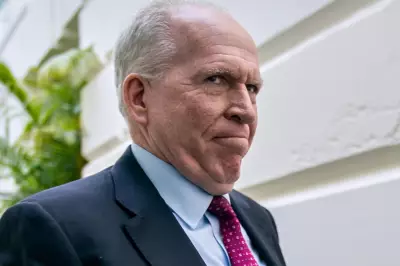
The arrest of Andrew Mountbatten-Windsor, the former Prince Andrew and brother of King Charles III, has sent shockwaves across Europe, with newspapers from Madrid to Milan declaring it a historic crisis for the British monarchy. Correspondents and editorial writers are in rare agreement that this event represents an unprecedented moment of danger and vulnerability for the Windsor dynasty.
A Momentous Watershed for the Monarchy
In a leader article published on Friday, Spain's El País stated emphatically that despite decades of scandals rocking the royal family, the arrest of Andrew Mountbatten-Windsor constitutes a momentous watershed for the institution. The paper argued that King Charles III's previous responses, including stripping his brother of royal titles, have proven insufficient in the face of what is now shaping up to be an existential test of the monarchy's resilience and relevance.
El País noted that a new generation of British citizens is demanding that royals face justice like all other citizens, and that Prince William has understood this defining moment even more clearly than his father. The king's statement distancing himself from his brother, calling for the law to take its course, and offering full cooperation to police suggests Buckingham Palace recognizes this crucial test.

Historic Blow to Royal Prestige
Fellow Spanish publication El Mundo described the arrest as dealing a historic blow to the British monarchy. The paper emphasized that Andrew Mountbatten-Windsor has consistently denied all wrongdoing and accusations against him, yet his detention has created a crisis of confidence that his 77-year-old brother must now navigate. El Mundo stressed that rebuilding trust in this institution, which remains fundamental to understanding the United Kingdom, represents an enormous challenge for the aging monarch.
Other European publications focused on the painful family dynamics exposed by the arrest. Belgium's Le Soir published a poignant cartoon showing the late Queen Elizabeth II looking down from heaven as a man is led past Big Ben by two police officers, a clear reference to her favorite son's humiliation.
The Late Queen's Legacy and the Black Sheep
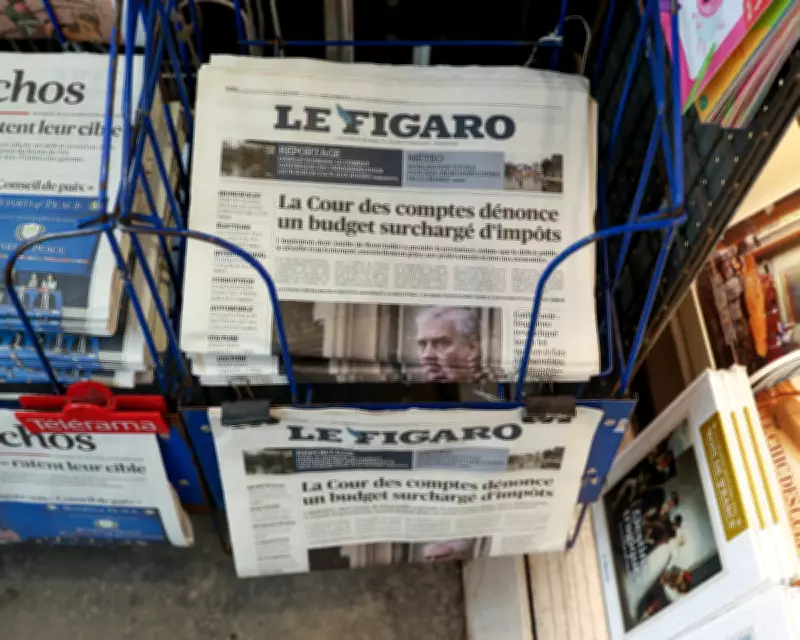
Le Figaro's London correspondent, Arnaud de la Grange, observed that many Britons believe it was fortunate Queen Elizabeth II did not witness Thursday's events in her lifetime. He wrote that seeing her favorite son taken away by police like a common criminal would have caused immense shock to someone so deeply concerned with the crown's image and dignity.
Corriere della Sera's London correspondent, Luigi Ippolito, offered a particularly blunt assessment of the damage caused by Andrew Mountbatten-Windsor. He wrote that while all families with a black sheep face challenges, a royal family with one confronts unique problems. Ippolito described the former prince as having done everything possible to fulfill that role and drag his august relatives into disrepute, ultimately revealing himself as the worm threatening to bring down the entire edifice of the monarchy.
Broader Implications and Legal Accountability
The Irish Times connected Andrew Mountbatten-Windsor's arrest to the broader importance of thoroughly investigating the contents of the Jeffrey Epstein files. The paper noted in a leader article that the long reach of these files is increasingly evident in damaged reputations, resignations, and questions about links with Epstein revealed in recently published emails.
While police actions following the arrest will take time to emerge, The Irish Times emphasized that legal accountability for criminal acts remains vital for victims and their families. The paper quoted King Charles III's own words from Thursday, stating that the way forward requires that the law must take its course without exception or special privilege.
Across European editorial pages, a consensus has emerged that this arrest represents more than just another royal scandal. It signals a fundamental challenge to the monarchy's ability to adapt to 21st-century expectations of accountability and transparency while maintaining its historical role and public support.