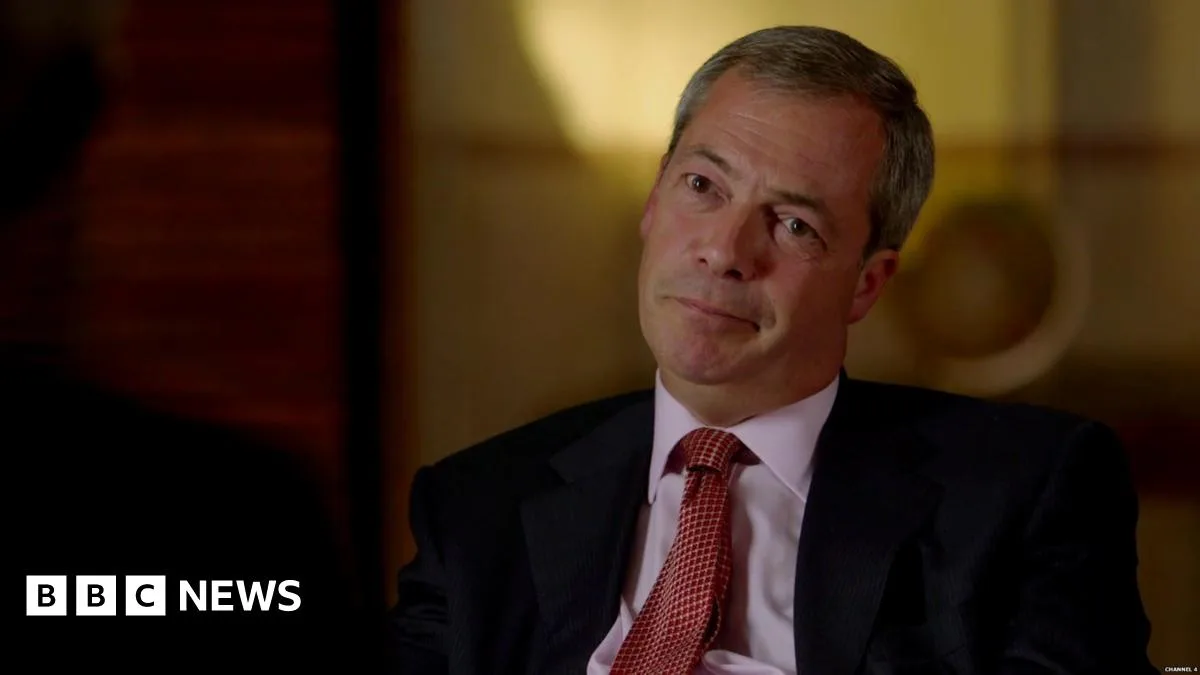
Nigel Farage has sparked controversy by suggesting that much of the UK's race discrimination legislation should be scrapped, arguing that employers should be free to favour British workers over foreign ones. The UKIP leader's comments, made in a Channel 4 documentary, have drawn sharp criticism from Downing Street and Labour, who branded them 'deeply concerning' and 'shocking'.
In the documentary, Mr Farage said that while anti-discrimination laws may have been necessary 40 years ago, they are no longer needed today. He claimed that employers should be allowed to 'discriminate' in favour of British-born workers, and that the current legal framework is 'ludicrous'. When asked if he would retain a ban on racial discrimination, he replied: 'No... because we take the view, we are colour-blind.'
However, speaking on BBC Radio 4's Today Programme, Mr Farage insisted his remarks had been 'wilfully misinterpreted'. He said he was referring to nationality, not race, and that he simply wanted a 'presumption' for British employers to hire British people over those from Poland. The programme makers have stood by their reporting, stating they did not misrepresent his views.

The controversy comes as UKIP targets working-class voters in key constituencies, arguing that EU freedom of movement laws have led to jobs going to Europeans at the expense of Britons. Mr Farage's stance echoes former Labour Prime Minister Gordon Brown's 'British jobs for British workers' pledge, though critics note that the Equality Act 2010 protects against discrimination on grounds of race, colour, nationality, and ethnic or national origins.
Labour leader Ed Miliband has also called for changes to recruitment laws to prevent firms from hiring solely from abroad, but has stopped short of advocating the repeal of race discrimination legislation. The row highlights the ongoing debate over immigration and employment rights ahead of the general election.