Former BBC Chief Exposes Internal Opposition to Reform UK
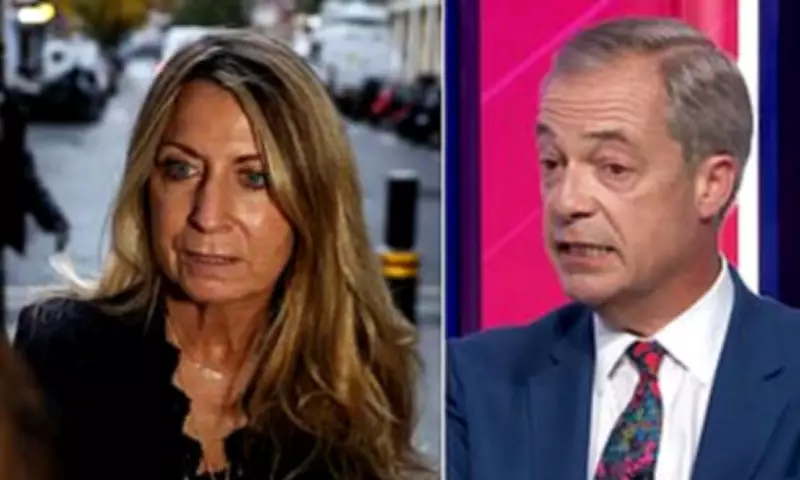
Deborah Turness, the former chief executive of BBC News, has publicly disclosed that the majority of reporters within the corporation are opposed to Reform UK. She also admitted to personally overruling established editorial guidelines to ensure that party leader Nigel Farage received increased primetime television coverage.
Revelations at US Media Conference
Speaking at the Restoring Trust In Media conference in Washington DC, organized by Semafor, Turness provided candid insights into the prevailing attitudes at the BBC. She stated that most BBC journalists do not align with what she termed Mr Farage's "extreme conservative movement," which is strongly anti-immigration and gaining significant traction in British politics.
"Do I think that the BBC newsrooms would, in percentage terms, vote the same way as the nation right now in the UK in terms of the Reform party? No, I don't," Turness told attendees. "What that means is you have to work even harder to maintain that impartiality."

Personal Intervention for Farage's Airtime
Turness detailed her efforts to secure more broadcasting opportunities for Nigel Farage, particularly in the lead-up to the 2024 general election. This included advocating for his appearance on the flagship political debate programme Question Time and arranging a major Panorama interview.
"I personally overruled internal editorial policy to give Nigel Farage primetime exposure in the last election," she explained. "I felt he ought to be on Question Time, which is the big debate platform, and to get a big Panorama interview. Because even though the math didn't say that he earned it in terms of the way things have always been done, I said, 'Look at the polling. We will be out of step with the British public.'"
She emphasized that the BBC, funded by the obligatory licence fee paid by all citizens, must sometimes intervene to ensure its coverage remains representative and balanced.
Context of Turness's Departure
Turness resigned from her position as BBC News CEO in November 2024, alongside director-general Tim Davie, following a major controversy involving a Panorama documentary. The programme, titled Trump: A Second Chance?, broadcast the week before the 2024 US election, featured a misleading edit of a speech by former President Donald Trump.
The edited clip spliced together two segments from Trump's January 6, 2021, address, approximately 54 minutes apart, creating the false impression that he directly urged supporters to march to the US Capitol and "fight like hell." This incident triggered an internal investigation that exposed multiple instances of apparent bias in the corporation's reporting.
Legal and Political Fallout
The Panorama scandal resulted in significant legal and political repercussions. Donald Trump filed a $10 billion lawsuit against the BBC in a Florida court, alleging defamation and violations of trade practices. The BBC has since apologized and withdrawn the report but refused to pay compensation, leading to ongoing legal proceedings.
Trump publicly criticized the BBC, describing Tim Davie as "very dishonest" and celebrating his departure. The White House also condemned the broadcaster, with press secretary Karoline Leavitt labeling it "100 per cent fake news."
Broader Concerns About BBC Impartiality
Turness addressed wider concerns about institutional bias at the BBC during her conference appearance. While acknowledging that mistakes had been made and damage had been caused, she denied claims of systemic bias. "The buck stops with me. While mistakes have been made, I want to be absolutely clear recent allegations that BBC News is institutionally biased are wrong," she stated at the time of her resignation.
Nigel Farage, who has appeared on Question Time 38 times since 2000, has been a vocal critic of the BBC's coverage. He argued that political bias permeates various issues, including European Union reporting, immigration, climate change, and Middle East coverage. "You have to conclude that the BBC has been not just run, but staffed by the wrong people for way, way too long," he remarked.

Leadership Changes and Ongoing Challenges
Following the resignations, Rhodri Talfan Davies was confirmed as interim director-general. The BBC continues to navigate the fallout from the Panorama scandal while facing scrutiny over its impartiality and editorial standards. The corporation's commitment to representing diverse political viewpoints remains a focal point of public and political debate.