Fox News Anchor Halts Trump Adviser's Attempt to Pin Gas Price Hike on Biden
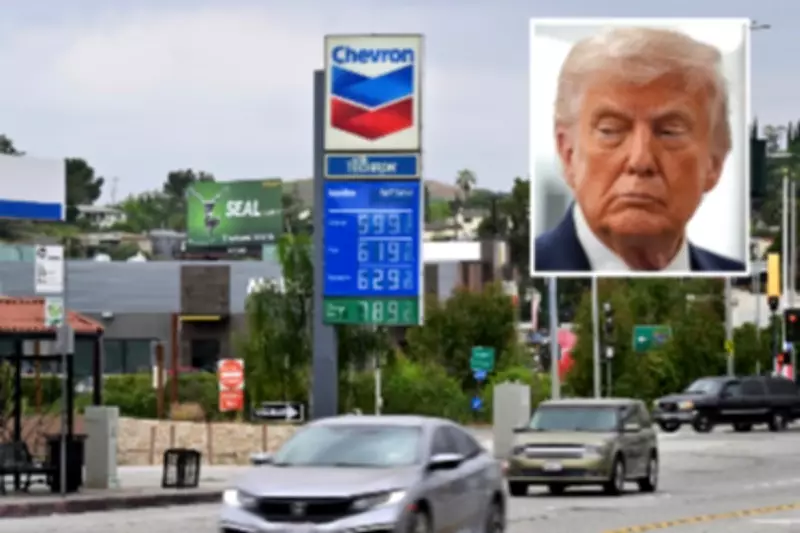
In a tense exchange on live television, Fox News anchor Bill Hemmer interrupted President Donald Trump's top economic adviser as he sought to blame former President Joe Biden for the soaring cost of gasoline amid the ongoing conflict with Iran. The national average price for a gallon of gas has now surpassed $4 across the United States, placing significant financial strain on American consumers as they contend with the economic repercussions of Trump's military engagement in the Middle East.
Sharp Rise in Fuel Costs Linked to Strait of Hormuz Closure
Oil prices have experienced a dramatic surge following Iran's effective closure of the Strait of Hormuz, a critical maritime passageway responsible for transporting approximately one-fifth of the world's oil supply. This strategic move has directly contributed to the escalating fuel expenses faced by drivers nationwide. According to data from the American Automobile Association, the current national average stands at around $4.09 per gallon, marking a substantial increase from $3.11 just one month prior and slightly above the $3.26 recorded a year ago.
During an appearance on America's Newsroom, National Economic Council Director Kevin Hassett was questioned by Hemmer about the trajectory of these rising prices. Hassett responded by characterizing the situation as a temporary phenomenon, asserting that normalcy would return swiftly. He outlined measures taken by the Trump administration to mitigate disruptions, including the release of 172 million barrels from the Strategic Petroleum Reserve, which he described as the second-largest such release in history.

Heated Exchange Over Blame and Economic Impact
Hassett attempted to shift responsibility onto the previous administration, citing Biden's earlier release from the reserve ahead of the midterm elections as a factor limiting current strategic options. "I'd like to remind everybody once again that we could have had a bigger strategic reserve effect except for the fact that right before the midterm election, Joe Biden — he's the one who had the biggest release of the strategic reserve and there was no supply disruption at the time — he was just trying to offset all those terrible energy policies and get gas prices down ahead of the election," he contended.
Hemmer promptly interjected, redirecting the focus to present circumstances. "Ok, but that was then, and this is now. And what's now is West Texas crude, which is what we produce here in the U.S. We're a net exporter of oil. On February 27, it was $67 a barrel. Now we're at $111 for West Texas crude. I think the question there is, what can our economy tolerate? How high can it go?" he pressed, highlighting the sharp increase in domestic oil prices and questioning the broader economic resilience.
Despite the anchor's pushback, Hassett maintained his stance that the elevated gas prices are a fleeting issue set to resolve imminently. However, the ongoing military strikes against Iran, initiated nearly five weeks ago on February 28 in collaboration with Israel, have resulted in over 12,300 targets hit according to U.S. Central Command. While Trump has touted significant military gains in a recent national address, the conflict's duration remains uncertain, leaving Americans to grapple with sustained economic pressures at the pump and beyond.