Tulsi Gabbard's Past Anti-War Stance Haunts Her as DNI Defends Iran Conflict
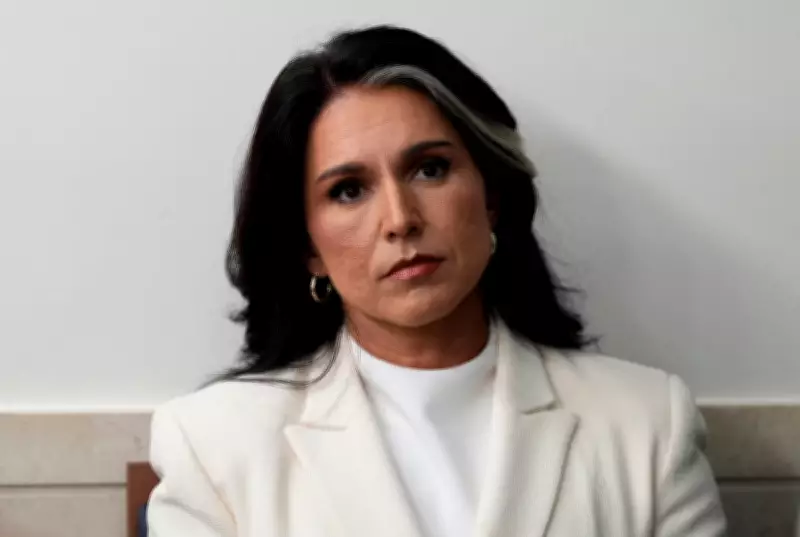
Director of National Intelligence Tulsi Gabbard finds herself in a politically delicate position as she prepares to appear before the Senate Intelligence Committee this Wednesday. Her task will be to defend President Donald Trump's current military engagement with Iran, a conflict she has vocally opposed for years during her time as a Democratic congresswoman and presidential candidate.
Resurfaced Criticisms From Her Political Past
A resurfaced tweet from May 16, 2019, reveals Gabbard's earlier stance with striking clarity. At that time, as a Hawaii Democratic representative campaigning for the presidential nomination, she directly attacked Trump and his then-national security adviser John Bolton. "Trump promised to get the U.S. out of 'stupid wars,'" she wrote. "But now he and John Bolton are on the brink of launching us into a very stupid and costly war with Iran. Join me in sending a strong message to President Trump: The U.S. must NOT go to war with Iran."
Earlier this month, additional footage emerged from a January 2020 Fox News interview where Gabbard criticized Trump's decision to assassinate Quds Force commander Qasem Soleimani. She warned that escalating tensions could lead to catastrophic consequences, stating that an all-out war with Iran would make previous conflicts in Iraq and Afghanistan "look like a picnic." She questioned the strategic objectives, asking what goal would justify the substantial cost in American lives and taxpayer dollars.
The Senate Committee Appearance and Political Tightrope
Gabbard, a military veteran who has built her political brand around keeping America out of foreign military entanglements, now faces the challenging task of justifying Trump's foreign policy reversals. She can expect pointed questions about Trump's 2024 campaign pledge to avoid new "forever wars" and whether recent developments represent a betrayal of that promise.
Justin Logan of the Cato Institute think-tank highlighted the difficulty of her position in comments to NBC News. "We haven't seen much of Gabbard since Trump attacked Iran, so this will be high stakes for her," he observed. "People like Gabbard have a tough needle to thread: defend the administration without looking like a forelock-tugging flunky who's thrown her principles into the wind."
Context of Recent Resignation and Administration Response
The timing of Gabbard's appearance follows closely on the heels of Joe Kent's resignation as director of the National Counterterrorism Center. In his open resignation letter, Kent explicitly cited his opposition to the Iran conflict, arguing that Iran posed no imminent threat to the United States and that pressure from Israel and its American lobby had driven the decision to go to war.
Gabbard responded cautiously to Kent's departure with a carefully worded social media post that avoided mentioning him by name or commenting directly on his reasons for resigning. Instead, she emphasized Trump's authority as commander-in-chief to assess threats and take necessary actions to protect national security.
The White House pushed back strongly against Kent's claims, with Press Secretary Karoline Leavitt dismissing his letter as containing "many false claims" and asserting that the president possessed "strong and compelling evidence" of an imminent Iranian attack. Trump himself characterized Kent as a "nice guy" who was "weak on security."
History of Tensions With the Administration
This is not the first instance where Gabbard has found herself at odds with Trump's foreign policy decisions. Last year, prior to Operation Midnight Hammer strikes on Iranian nuclear facilities, Trump publicly dismissed her congressional testimony that Iran was not close to building a nuclear weapon, bluntly stating, "I don't care what she said."
The president was reportedly further angered when Gabbard posted a video warning about "political elite and warmongers" carelessly pushing the world toward "nuclear annihilation." Her absence during the Venezuela intervention in January, when she posted yoga photos instead of participating in decision-making about another conflict she had previously opposed, further highlighted her remote position within the administration.
As Gabbard prepares for her high-profile Senate appearance, she must navigate the complex terrain between her established anti-war principles and her current role defending administration policies that directly contradict her previous public statements.