Iran Conflict Fuels Gas Price Surge, Threatening GOP Election Prospects
Republicans are approaching a critical midterm election season with a president who has initiated an unpopular Middle Eastern conflict that is directly impacting American consumers through sharply rising fuel costs. This scenario echoes historical political challenges where wartime economic pressures have influenced electoral outcomes.
Immediate Economic Impact
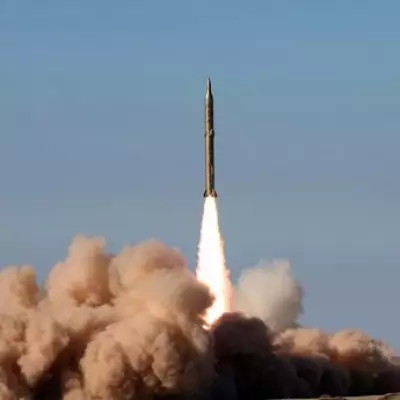
Since the United States and Israel commenced targeted military strikes against Iran approximately ten days ago, average gasoline prices have surged by nearly fifty cents per gallon across the nation. Most states are now experiencing prices significantly exceeding three dollars per gallon, with some regions facing even steeper increases. This rapid escalation has created a classic Washington predicament for the administration: receiving little credit when prices decrease but facing substantial blame when they spike following policy decisions.
White House Press Secretary Karoline Leavitt attempted to reassure concerned citizens this week, stating: "Once the national security objectives of Operation Epic Fury are fully achieved, Americans will see oil and gas prices drop rapidly, potentially even lower than they were prior to the start of the operation." She emphasized the long-term strategic benefits of preventing nuclear threats from Iran.

Political Reckoning for Republicans
The timing of this economic pressure presents particular challenges for Republican candidates. With the party struggling to pass significant legislation and voters perceiving slow progress on inflation control, the additional burden of fuel price increases threatens to undermine already fragile political positions. Republicans are defending narrow majorities in both congressional chambers during an election cycle where economic concerns dominate voter priorities.
Senator Rand Paul offered a blunt assessment during a Fox Business interview: "I think high oil prices will be a problem in the midterms. If we are still bombing Iran with kinetic action causing oil to be over one hundred dollars per barrel, you are going to see a disastrous election for the GOP."
Representative Austin Scott echoed these concerns, noting: "Every day that people pull into the gas station and pay what they are paying for fuel, it hurts, and we know it hurts."
Historical Parallels and Current Realities
This situation bears resemblance to 2008, when a Republican president's Middle Eastern military engagement contributed to rising oil prices that damaged the party's electoral prospects. Conversely, Republicans attempted to leverage fuel price increases during the Ukraine conflict against Democratic opponents in 2022, successfully reclaiming the House of Representatives though failing to secure the Senate.
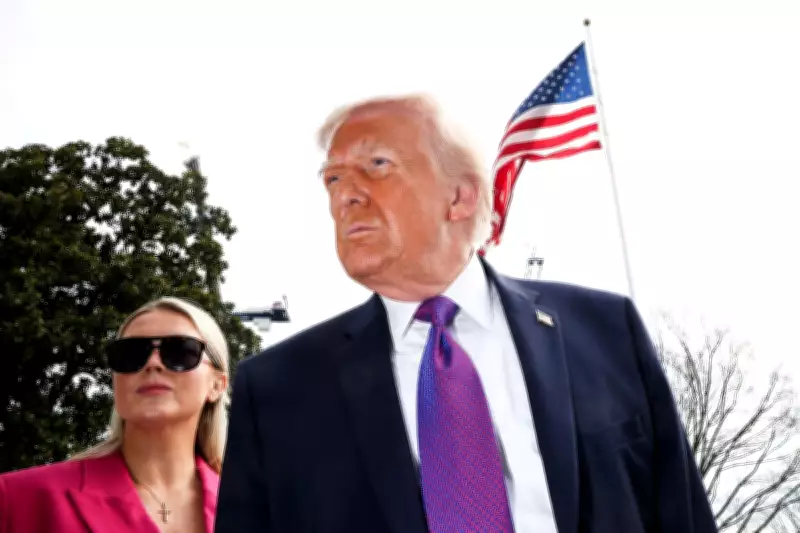
President Trump has acknowledged the economic pressure, abandoning previous claims about low fuel prices and conceding that Americans are experiencing financial strain. He told Reuters: "They will drop very rapidly when this is over, and if they rise, they rise, but this is far more important than having gasoline prices go up a little bit."
Internal Party Divisions and Electoral Timelines
Within Republican ranks, differing perspectives on the conflict's duration and economic impact have emerged. Senator Rick Scott suggested that prices would decrease once Venezuela increased oil production and Iran established a government willing to participate in the global economy. However, analysts note that Venezuela's oil production currently represents only about one percent of global output, with meaningful expansion potentially requiring years rather than months.
Some Republican legislators are urging a swift conclusion to military operations. Senator Josh Hawley stated: "I think that the president has achieved his objectives. What is there really that is left to do that we have not already done? It is time to declare victory." Notably, Hawley is not seeking reelection this year, while many colleagues face electoral contests where their political fortunes may be tied to economic conditions improving before November.

The primary election season has already commenced, creating a compressed timeline for addressing voter concerns about sustained economic discomfort. Even if fuel prices eventually decrease, prolonged elevation could generate lasting voter resentment that influences midterm outcomes. Most congressional Republicans maintain confidence that military operations will conclude promptly, resulting in near-term price reductions, though their repeated calls for the administration to declare an end to hostilities suggest underlying anxiety about the political ramifications of continued conflict.