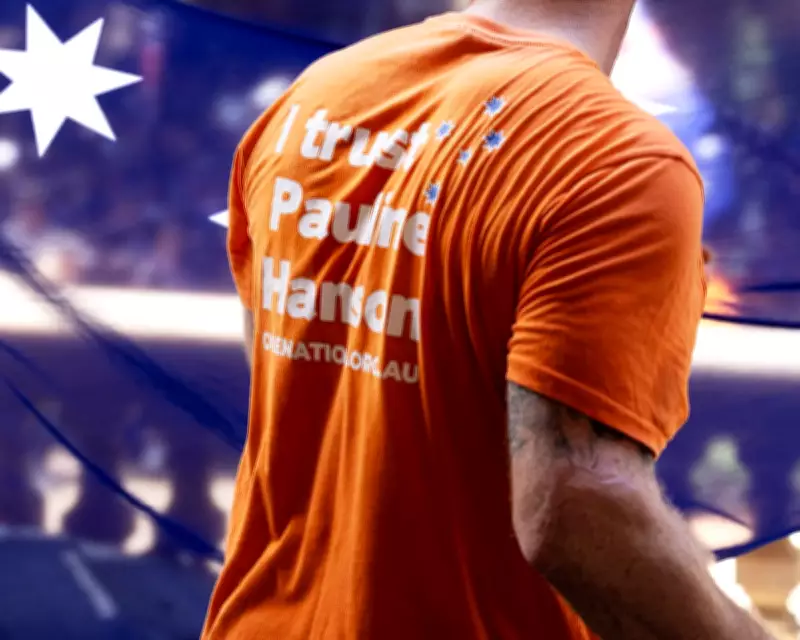
The Real Joke of Pauline Hanson's Populism
Peter Lewis writes that the gap between what Pauline Hanson says and what she actually does is the real joke. This observation comes as One Nation's popularity surges, challenging the entire Australian political system, including the Coalition and super-progressives alike.
One Nation's Rising Appeal
According to the latest Guardian Essential poll, more than half of Australians are open to voting for One Nation, despite Hanson's controversial comments about Muslims. This includes 45% of Labor voters and a third of all Greens supporters. These results were gathered even as Hanson intensified her attacks on Muslims, a move that alienated some conservatives but not the broader public.
It has been nearly 30 years since Hanson's maiden speech in parliament, where she attacked Asians for "swamping" Australia, leading to her expulsion as a Liberal candidate by John Howard. Historically, the political establishment has dismissed Hanson and her views, but with populists gaining global traction, it is crucial to understand the drivers behind her resurgence.

Factors Driving One Nation's Momentum
Several key factors explain One Nation's growing appeal:
- Political Fragmentation: The breakdown of political monoculture into self-reinforcing bubbles has created opportunities for angry outsiders like Hanson to build momentum.
- Crass Humour: One Nation employs a style reminiscent of South Park for the right, as seen in their film A Super Progressive Movie, which blends offence with humour.
- Youth Engagement: Younger Australians, concerned with cost of living and housing affordability, are drawn to One Nation's policy of cutting immigration, linking cultural and material issues.
Challenges for Major Parties
One Nation's rise poses an existential threat to the Nationals and Liberals, as Hanson's Fortress Australia rhetoric could alienate higher socioeconomic voters in metropolitan seats. For Labor, the challenge is twofold: preventing voter drain to One Nation and positioning itself to compete if One Nation becomes the opposition.
Labor has templates of what not to do, such as the US Democrats' assumption that Trump would be deemed unfit or Keir Starmer's flawed approach in chasing Reform UK to the right. Instead, progressives should recognise One Nation as an expression of outsider frustration against elites, as exemplified by Zohran Mamdani's campaign in New York.
Cultural and Policy Insights
Polling data reveals that One Nation voters are more likely to feel Australia is becoming more divided, contrary to progressive narratives. Their film portrays woke elites as unifying minorities against "normal" Australians, a sentiment that resonates with supporters.
On policy, One Nation voters diverge most on climate change and renewables, but align with broader national views on protecting local industries and regulating big tech and AI. This mirrors emerging alliances in the US between figures like Bernie Sanders and Steve Bannon.
The Hypocrisy of Hanson's Populism
Hanson's self-image as an outsider collapses under scrutiny of her party's record, which includes opposition to pro-worker measures and patronage from figures like Gina Rinehart. Her populism often serves powerful interests by advocating policies that harm her supporters, such as cutting taxes for the wealthy and wages for workers.
Ultimately, the gap between Hanson's rhetoric and actions is the real joke, making it harder to defend than mocking welcomes to country or pronouns. As One Nation gains ground, understanding this dynamic is key for progressives navigating Australia's political future.