High Court Overturns Labour's Proscription of Palestine Action as Unlawful
In a landmark ruling, the High Court has declared that Labour's decision to proscribe the direct action protest group Palestine Action as a terrorist organisation was unlawful. This judgment, delivered on Friday, represents a significant legal victory for the group and casts doubt on the legality of thousands of arrests made under terrorism legislation.
Background and Impact of the Proscription
Palestine Action, founded in 2020 by Huda Ammori and Richard Barnard, primarily targeted Elbit Systems UK, a subsidiary of an Israeli arms manufacturer supplying weapons to the Israeli Defence Forces. The group engaged in activities such as breaking into arms factories and damaging equipment, which they stated aimed to oppose the oppression of Palestinians.
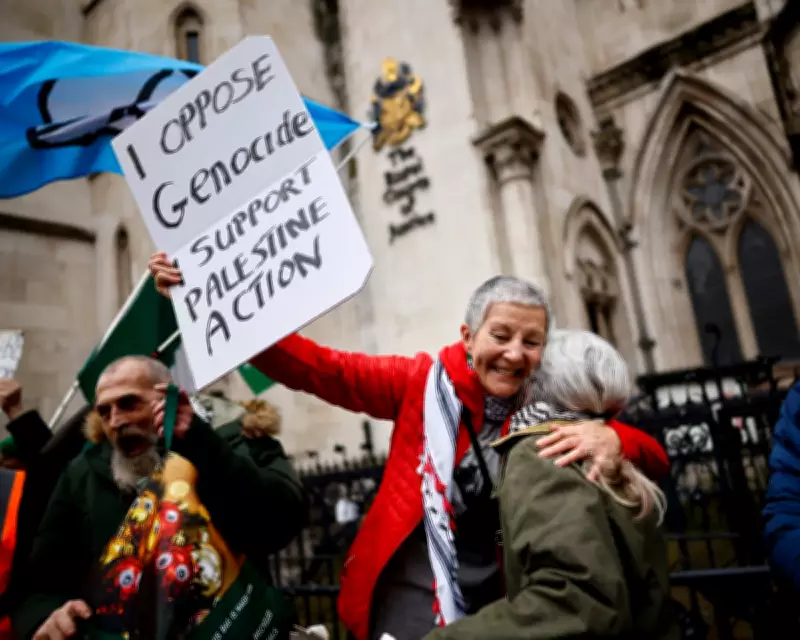
From 5 July 2025, it became illegal to be a member of or show support for Palestine Action, with offences carrying a maximum sentence of 14 years in prison. This proscription triggered one of the largest civil disobedience campaigns in modern British history, resulting in over 2,700 arrests and more than 500 charges under terrorism laws.

Legal Challenge and Court Ruling
The High Court, led by Dame Victoria Sharp, ruled that the ban was unlawful on two key grounds. Firstly, it constituted a significant interference with the right to freedom of speech and assembly. Secondly, the then Home Secretary Yvette Cooper failed to adhere to her own policy, as required by the Terrorism Act 2000, by not adequately considering factors such as the nature and scale of the group's activities and the specific threat posed to the UK.
Despite this ruling, the ban remains in place pending a potential government appeal, leaving the fate of those arrested and charged in limbo. The Metropolitan Police has announced it will halt arrests for showing support while the legal position is clarified, though evidence may still be gathered for future prosecutions.
Government Response and Future Implications
Current Home Secretary Shabana Mahmood has expressed disappointment with the court's decision and stated her intention to appeal. Yvette Cooper defended her actions, citing clear advice from agencies and police, and supported the appeal, noting the court's conclusion that Palestine Action is not a normal protest group and has committed acts of terrorism.
This ruling deals another blow to Prime Minister Keir Starmer and the Labour Party, already facing criticism over leadership and high-stakes decisions. The case highlights the controversial use of terrorism legislation against protest groups and raises questions about the balance between national security and civil liberties.
As the legal battle continues, with an appeal not guaranteed to proceed, the outcome will have lasting implications for protest rights and the application of terrorism laws in the UK.